CM Siddaramaiah leads SIR protest, demands CEC Gyanesh Kumar resign
Synopsis
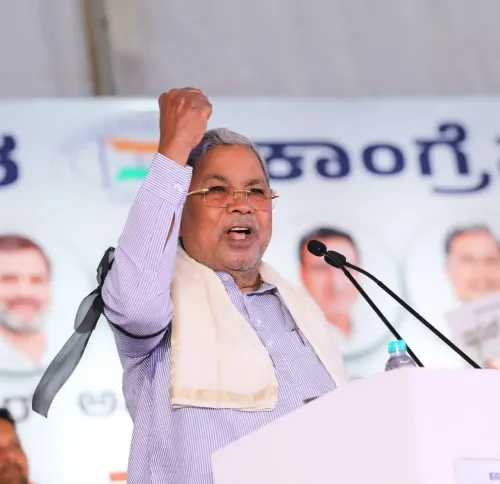
Karnataka CM Siddaramaiah joined a Congress rally at Bengaluru's Swatantra Udyana on November 5, 2026, calling the SIR electoral-roll revision a constitutional crime and demanding Chief Election Commissioner Gyanesh Kumar's immediate resignation.
Key Takeaways
CM Siddaramaiah led a Congress protest at Swatantra Udyana, Bengaluru on November 5, 2026 against the SIR electoral-roll revision process.
He called the SIR a 'grievous crime against the Indian Constitution' that strips citizens of their voting rights.
Congress is demanding the resignation of Chief Election Commissioner Gyanesh Kumar , accusing him of acting at PM Narendra Modi 's direction.
Shivakumar , KPCC President B.K.
Hariprasad , actor Prakash Raj , and dozens of legislators and MPs joined the rally.
Siddaramaiah described the nationwide mobilisation as spontaneous, claiming crores of citizens took part across the country.
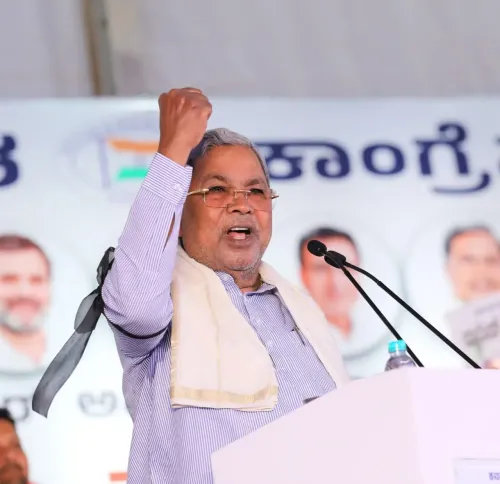
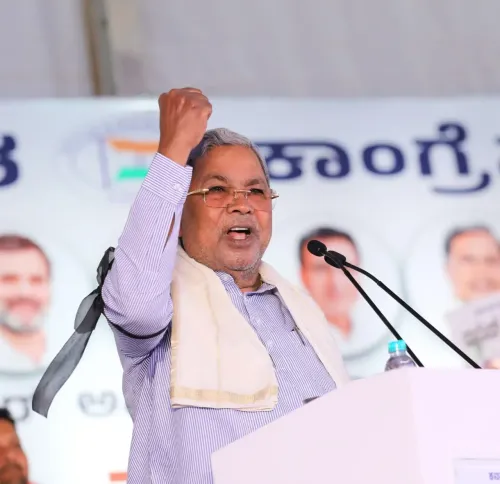
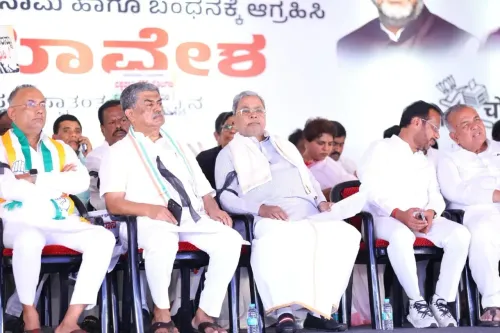
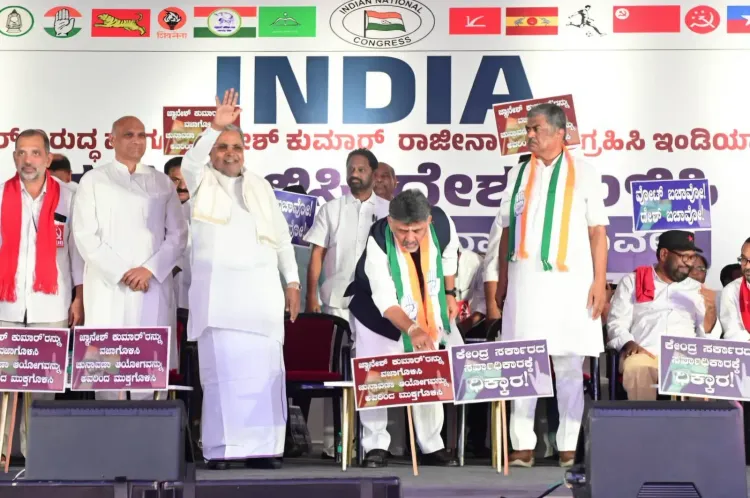
Crores of citizens took to the streets across India on Thursday, November 5, and Karnataka Chief Minister Siddaramaiah was at the front of that wave — joining Congress leaders, workers, and even Kannada film star Prakash Raj at Swatantra Udyana (Freedom Park) in Bengaluru to demand the resignation of Chief Election Commissioner Gyanesh Kumar over what the party calls the unconstitutional Special Intensive Revision (SIR) of electoral rolls.
Siddaramaiah posted in Kannada, calling the SIR process a 'grievous crime against the Indian Constitution' that has 'snatched the voting rights of the country's citizens.' He framed the mass protests as spontaneous — swayam preritaragi (self-motivated) — with crores pouring into the streets of their own accord. At the heart of Congress's demand is one name: Gyanesh Kumar, whom Siddaramaiah accused of 'dancing to the tune of Prime Minister Narendra Modi' and of being 'a stain on this country's democracy.'
Swatantra Udyana rally: who stood with Siddaramaiah
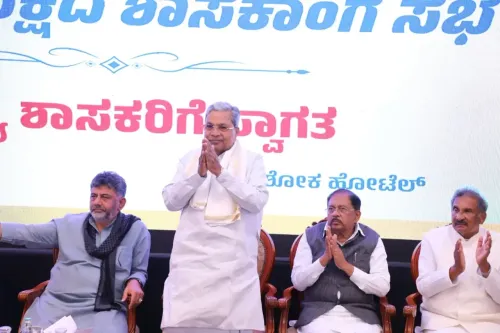
The Bengaluru protest drew a who's who of Karnataka's ruling establishment. Deputy Chief Minister D.K. Shivakumar stood alongside Siddaramaiah, as did KPCC President B.K. Hariprasad. Current and former ministers, sitting and former MLAs, MPs, and senior party functionaries all gathered under the banner of electoral accountability. The presence of actor Prakash Raj — a vocal public voice on civic issues — added both visibility and symbolic weight to the demonstration.
What is the SIR, and why does Congress call it unconstitutional?
The Special Intensive Revision of electoral rolls is a process under which the Election Commission of India undertakes door-to-door verification and revision of voter lists, governed by the Representation of the People Act. The ECI has periodically conducted intensive and summary revisions across election cycles. Congress's position is that the current SIR exercise has resulted in large-scale deletion or non-inclusion of valid voters — effectively, the party argues, disenfranchising millions ahead of future elections. That allegation is the constitutional flashpoint driving today's protests.
A recurring battle over the ECI's independence
The Congress party's confrontation with the Election Commission is not new. Opposition parties have, over successive election cycles, raised concerns about the institutional neutrality of the ECI — from the composition of its appointment process to its decisions on poll schedules and model code enforcement. What makes today's protest distinctive is both its scale — Siddaramaiah claims crores mobilised nationally — and the directness of the demand: not a court petition or a press conference, but a street protest calling for the sitting Chief Election Commissioner's head.
Whether the agitation builds into sustained legal challenges or fades as one moment in a longer opposition campaign, the demand is now on the record — and the Election Commission's silence or response will be watched closely.
Point of View
The party is directly challenging the institutional legitimacy of the ECI in a way that could either galvanise opposition unity ahead of future elections or be dismissed as partisan overreach. The move fits a wider pattern in Indian politics where the independence of constitutional bodies becomes a live electoral battleground, with the ruling party and opposition each contesting the narrative of institutional capture. If legal challenges follow the protests, the courts will ultimately be the arena where the SIR's constitutional validity is tested.
NationPress
5 Nov 2026
Frequently Asked Questions
What is the SIR process in Indian elections?
SIR stands for Special Intensive Revision, a process under which the Election Commission of India undertakes systematic door-to-door verification and revision of voter lists under the Representation of the People Act. Congress alleges the current SIR has led to mass deletion of valid voters.
Why is Congress demanding Gyanesh Kumar's resignation?
Congress, led by Karnataka CM Siddaramaiah, accuses Chief Election Commissioner Gyanesh Kumar of overseeing an SIR process that disenfranchises crores of voters, and of acting in line with the ruling BJP's interests rather than independently.
Where did the Bengaluru protest take place?
The Congress protest was held at Swatantra Udyana, also known as Freedom Park, in Bengaluru on November 5, 2026.
Who attended the Congress protest at Swatantra Udyana?
Among those present were Deputy CM D.K. Shivakumar, KPCC President B.K. Hariprasad, actor Prakash Raj, and several current and former ministers, MLAs, MPs, and party leaders alongside CM Siddaramaiah.
Has Congress raised concerns about Election Commission neutrality before?
Yes. Congress and other opposition parties have repeatedly questioned the ECI's institutional independence over successive election cycles, contesting decisions on poll scheduling, model code enforcement, and appointment processes — making today's protest part of a recurring pattern.