CM Siddaramaiah Demands CEC Gyanesh Kumar's Removal Over EC Dissent Reports
Synopsis
Karnataka CM Siddaramaiah has called for the removal of Chief Election Commissioner Gyanesh Kumar, a criminal case, and an independent probe, citing reports that two Election Commissioners formally objected to decisions on voter inclusion, name deletions, Form 6 processing, and electoral data management.
Key Takeaways
Karnataka CM Siddaramaiah publicly demanded the removal of Chief Election Commissioner Gyanesh Kumar on September 26, 2026 .
He cited reports that two Election Commissioners repeatedly recorded objections to decisions on voter inclusion, name deletions, Form 6 , and electoral data.
Siddaramaiah called for registration of a criminal case and an independent investigation into the allegations.
The Election Commission of India , a three-member constitutional body under Article 324 , oversees all elections to Parliament and state legislatures.
In 2023 , the Supreme Court directed reforms to the appointment process for Election Commissioners to strengthen institutional independence.
The specific claims about internal dissent remain unverified; no formal response from the Election Commission has been reported.
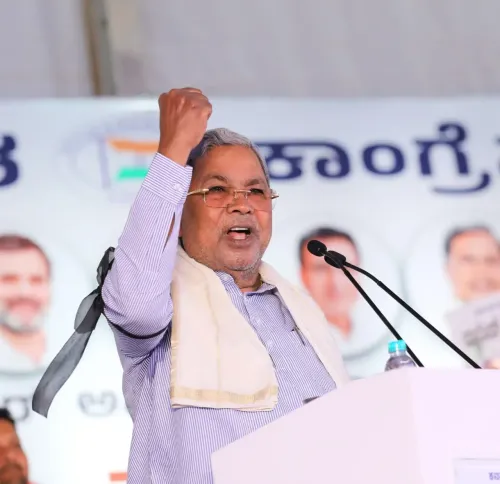
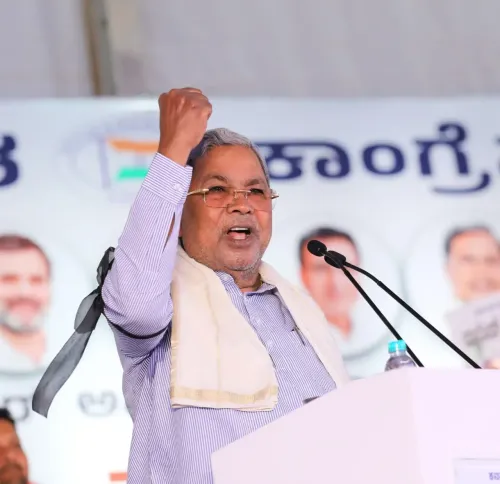
A constitutional body is cracking from within — and Karnataka's Chief Minister wants answers. Karnataka Chief Minister Siddaramaiah on Saturday, September 26, 2026, publicly demanded the removal of Chief Election Commissioner Gyanesh Kumar, the registration of a criminal case, and an independent investigation, citing reports that two Election Commissioners have repeatedly recorded formal objections to key decisions on voter rolls and electoral data.
The charge is pointed. Siddaramaiah's post states that the two Election Commissioners logged dissent specifically over 'voter inclusion, deletion of names, Form 6 and electoral data' — the very mechanics that determine who gets to vote and who doesn't. In a three-member constitutional body, he argues, such internal objections cannot be brushed aside. 'Chief Election Commissioner Gyanesh Kumar must be held accountable for the manner in which the Commission has functioned,' he wrote, calling the reports 'extremely serious.'
What Form 6 and Voter Roll Disputes Actually Mean
Form 6 is the application form through which eligible citizens enroll as new voters in the electoral rolls. Disputes around Form 6 processing, voter inclusion, and deletion of names strike at the core of democratic participation — they determine who appears on the list on polling day. The Election Commission of India, constituted under Article 324 of the Constitution, holds superintendence, direction, and control over elections to Parliament and state legislatures. Internal dissent within its three-member bench over roll management would, if verified, represent a significant procedural fault line. The research bloc flags that the specific dissent reports and the identity of the dissenting Commissioners relate to events beyond the verified knowledge base — the claims remain unverified and no independent confirmation is available. That caveat matters: the demand for investigation is itself the news, not a confirmed finding of wrongdoing.A Pattern Opposition Critics Know Well
This is not the first time opposition voices have trained scrutiny on the Election Commission's internal functioning. Opposition figures have periodically raised questions about roll preparation and procedural transparency, particularly in the lead-up to election cycles. In 2023, the Supreme Court itself directed changes to the appointment process for the Chief Election Commissioner and Election Commissioners, citing the need to strengthen institutional independence — a ruling that acknowledged structural concerns about how the body operates. Siddaramaiah, a senior Indian National Congress leader, now escalates that scrutiny to a demand for criminal accountability. Whether Parliament, the courts, or the Election Commission itself formally responds to these allegations will define the next chapter of this confrontation. The electoral referee is now under the spotlight — and the demand is not for review, but for removal.Point of View
The political objective is clear: to frame the electoral umpire as compromised ahead of any coming poll cycle. The ball is now firmly in Parliament's and the judiciary's court.
NationPress
26 Sept 2026
Frequently Asked Questions
Why is CM Siddaramaiah demanding the removal of Chief Election Commissioner Gyanesh Kumar?
Siddaramaiah cited reports that two Election Commissioners formally recorded objections to decisions on voter inclusion, name deletions from rolls, Form 6 processing, and electoral data — arguing such internal dissent in a constitutional body cannot be ignored and that the CEC must be held accountable.
What is Form 6 in Indian elections?
Form 6 is the official application through which an eligible citizen applies to be enrolled as a new voter in the electoral rolls. Disputes over its processing directly affect who gets to vote.
Can the Chief Election Commissioner of India be removed?
Yes. Under the Constitution, the Chief Election Commissioner can be removed only through a process similar to the removal of a Supreme Court judge — by an address of both Houses of Parliament. It is a very high threshold, designed to protect the body's independence.
What did the Supreme Court rule about Election Commissioner appointments in 2023?
In 2023, the Supreme Court directed that a new committee — including the Prime Minister, the Leader of the Opposition, and the Chief Justice of India — oversee appointments of the Chief Election Commissioner and Election Commissioners, to reduce executive dominance over the selection process.
Has the Election Commission responded to Siddaramaiah's allegations?
As of the time of this report, no formal response from the Election Commission of India to Siddaramaiah's demands has been reported.