Kapil Sibal says CEC Gyanesh Kumar acted on 'own whims' amid ECI dissent row
Synopsis
Kapil Sibal has put four specific charges on the table against CEC Gyanesh Kumar — majority rule bypassed, dissent ignored 14 times, nationwide voter roll revision in alleged violation of law, and mass deletion of 13 crore names — turning a media report into a full-blown political and constitutional flashpoint over the independence of India's top electoral body.
Key Takeaways
Rajya Sabha member Kapil Sibal on 23 September alleged that CEC Gyanesh Kumar made decisions 'arbitrarily according to his own whims', bypassing the Commission's majority-rule framework.
A media report claimed Election Commissioners Sukhbir Singh Sandhu and Vivek Joshi objected 'on record' on 14 occasions over 10 months ; the ECI has rejected this report.
Sibal alleged a nationwide Special Intensive Revision of electoral rolls violates the Representation of the People Act , which limits such revisions to exceptional, localised cases.
He claimed 13 crore names have been deleted from rolls across 30 states , warning the number could rise to 30 crore .
Sibal alleged 40 portals and apps were centralised under a single system, concentrating authority over voter data within the Commission.
Sibal said these concerns have been repeatedly raised before the Supreme Court without action so far.
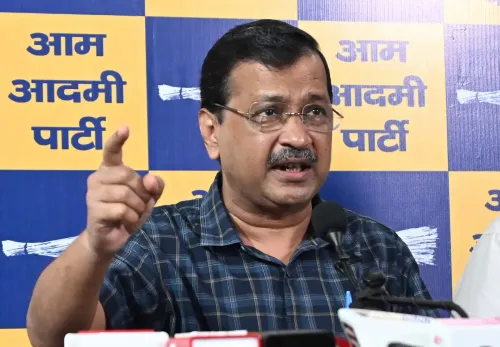
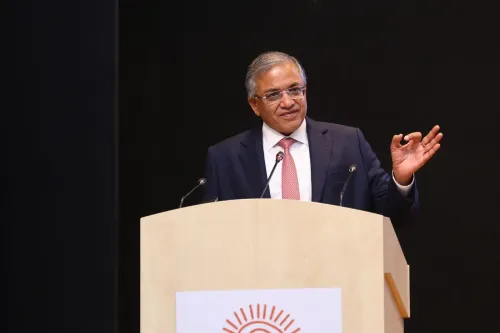
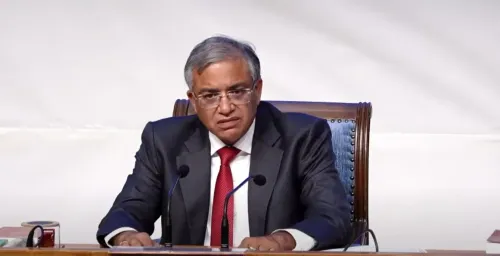
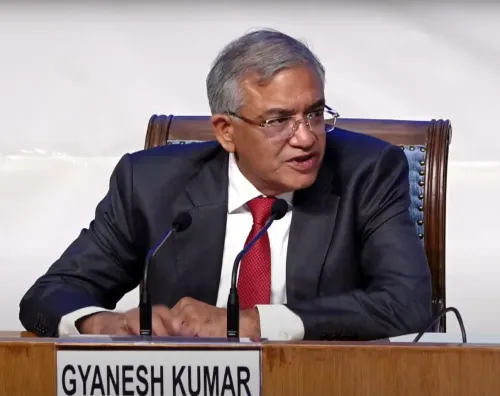
Senior advocate and Rajya Sabha member Kapil Sibal on 23 September launched a sharp attack on Chief Election Commissioner Gyanesh Kumar, alleging that Kumar had been making decisions 'arbitrarily according to his own whims' — remarks that came in direct response to a growing controversy over reported dissent within the Election Commission of India (ECI). Sibal also claimed that 'the majority was not with Gyanesh Kumar' on multiple key decisions.
What Triggered the Controversy
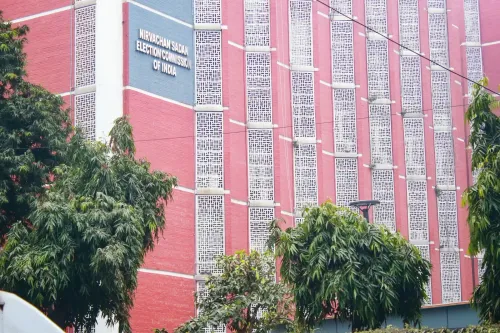
The dispute erupted after a leading national daily published an investigative report claiming that on 14 occasions over 10 months, two Election Commissioners had placed objections 'on record' against decisions attributed to the Commission. According to the report, the objections covered a range of matters — including allegations that the commissioners were kept uninformed about certain processes, and concerns related to the addition of new voters and deletion of names from electoral rolls. The ECI, however, categorically rejected the report, denying that any such formal dissent had been registered against the Commission's decisions.
Sibal's Four-Point Charge Sheet
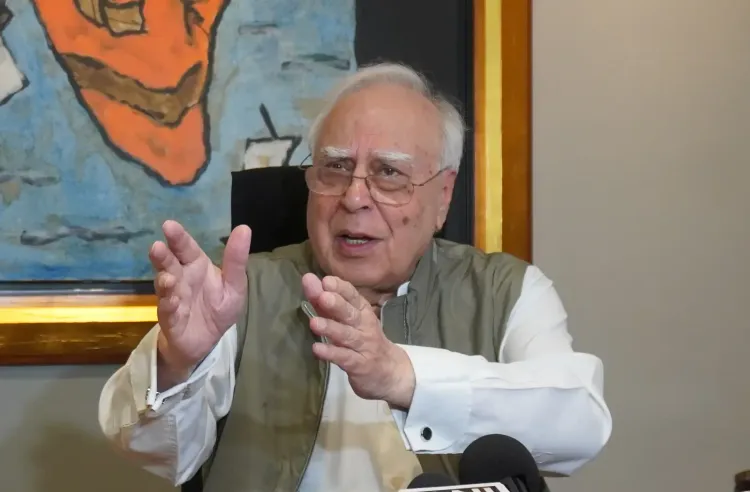
Speaking to reporters, Sibal laid out what he described as four distinct grounds of concern. First, he invoked the structural framework of the three-member Commission itself: 'Earlier, there used to be only one member in the Election Commission; then an amendment was made, and a three-member Election Commission was created. And it was also decided that decisions would be taken by majority. So today, it has been established that the majority was not with Gyanesh Kumar.'
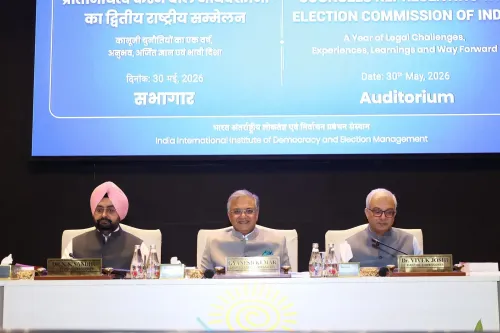
Second, Sibal named Election Commissioners Sukhbir Singh Sandhu and Vivek Joshi directly, stating they had 'protested several times' — 'almost 14 times in 10 months' — against decisions being taken without their concurrence. He alleged those objections were ignored and the matters were never formally placed before the full Commission.
Third, he flagged the Special Intensive Revision of electoral rolls, arguing it was being conducted nationwide in contravention of the Representation of the People Act, which, according to him, permits such a special revision only in exceptional circumstances. 'Only once under the Representation of the People Act, a special revision took place, and that too in a single small area — a single constituency. But now it is happening across the entire country,' Sibal said. He further alleged the nationwide exercise was aimed at controlling 'who should be given the right to vote, whose name should be deleted, and whose name should be added.'
Fourth, Sibal raised concerns about Form 6 under the Representation of the People Act — the form required to be filled by a first-time voter, which contains a declaration that the applicant 'has never voted before.' He argued that existing voters whose names were deleted would effectively be forced to re-register using a form designed for fresh enrollees, creating potential irregularities.
Centralisation of Portals and Roll Deletions
Sibal also alleged that 40 portals and applications had been merged into a single centralised system, with all authority reportedly vested in the Commission — and specifically, he claimed, under Seema Khanna, the Commission's Director General (IT). He further alleged that across 30 states, 13 crore names had already been removed from electoral rolls, warning that if the process continued, the figure could reach 30 crore. Sibal noted that these concerns had been raised before the Supreme Court, though he expressed frustration that the court had yet to act on them: 'Whenever this matter comes up, the Supreme Court does not even listen to us,' he said.
ECI's Position
The Election Commission of India has rejected the underlying media report, calling into question the claim that Election Commissioners formally objected 'on record' to decisions taken without their knowledge. The Commission has not, as of this report, issued a point-by-point rebuttal of Sibal's allegations. The controversy comes at a particularly sensitive moment, with electoral roll revisions underway and multiple state assembly elections on the horizon.
Point of View
Majority-rule model that the 2023 amendments were designed to entrench. The ECI's blanket denial of the media report, without a detailed factual rebuttal, does little to dispel the underlying anxiety. And Sibal's figure of 13 crore deleted names, however contested, will gain traction regardless of its accuracy unless the Commission publishes transparent, verifiable roll-revision data — something it has not yet done.
NationPress
23 Sept 2026
Frequently Asked Questions
What is the Election Commission of India dissent controversy about?
The controversy centres on a media report claiming that Election Commissioners Sukhbir Singh Sandhu and Vivek Joshi formally objected 'on record' to decisions made by Chief Election Commissioner Gyanesh Kumar on 14 occasions over 10 months. The ECI has denied the report, but the allegations have drawn sharp political reactions, most prominently from Rajya Sabha member Kapil Sibal.
What specific allegations has Kapil Sibal made against CEC Gyanesh Kumar?
Sibal has made four allegations: that Kumar bypassed the Commission's majority-rule framework; that dissent from two Election Commissioners was ignored 14 times; that a nationwide Special Intensive Revision of electoral rolls violates the Representation of the People Act; and that the centralisation of 40 portals has concentrated control over voter rolls, resulting in the alleged deletion of 13 crore names across 30 states.
What is the Special Intensive Revision of electoral rolls?
It is a comprehensive review process for updating electoral rolls. Sibal has alleged that conducting this exercise nationwide contradicts the Representation of the People Act, which he says permits special revisions only in exceptional and localised circumstances. According to him, such a revision had previously occurred only once, in a single constituency.
How many voter names have allegedly been deleted, and is this verified?
Kapil Sibal has alleged that 13 crore names have been removed from electoral rolls across 30 states, with the figure potentially rising to 30 crore. These are Sibal's claims and have not been independently verified. The ECI has not publicly addressed this specific figure.
What has the Supreme Court done about these concerns?
Sibal stated that these concerns have been raised before the Supreme Court on multiple occasions, but expressed frustration that the court has not yet acted on them. No order or formal direction from the Supreme Court on this specific matter has been reported as of this date.