Rajasthan CM Bhajan Lal Salutes Handloom Weavers
Synopsis
Chief Minister Bhajan Lal Sharma's office marked the handloom sector as the livelihood foundation for millions of Rajasthan families, invoking the state's rich weaving heritage — from Kota Doria to Bagru prints — and signalling continued political attention to artisan communities.
Key Takeaways
The Chief Minister's Office of Rajasthan posted on 7 August 2026 calling the handloom industry the livelihood base for millions of families.
Chief Minister Bhajan Lal Sharma has led Rajasthan since December 2023 under the BJP.
Rajasthan hosts major handloom clusters including Kota Doria and Bagru block print traditions.
The National Handloom Development Programme (2015) provides infrastructure and welfare support to weavers in Rajasthan and other states.
The post was tagged #AapnoAgraniRajasthan , the CM's flagship state-development branding.
Budget allocations and cluster-development schemes will be the next indicators of concrete policy follow-through.
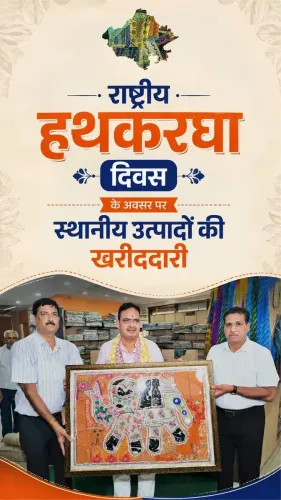
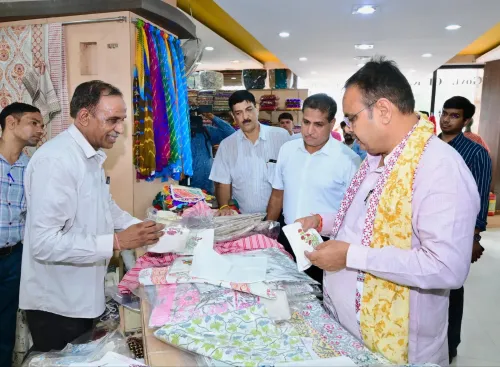
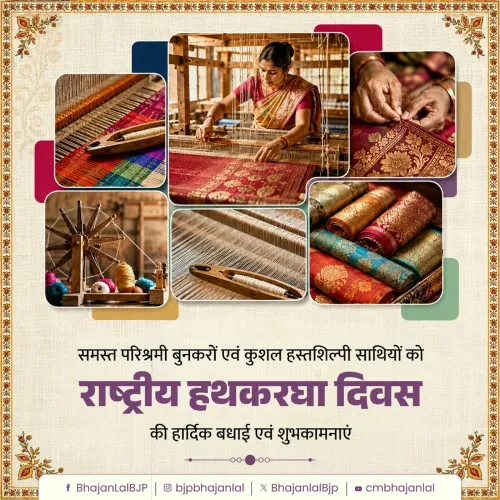
Millions of families weave their futures — quite literally — on the threads of India's handloom sector. The Chief Minister's Office of Rajasthan on Friday, 7 August 2026 posted a pointed tribute to the industry, calling it the backbone of livelihoods for countless households across the state.
The post, attributed to Chief Minister Bhajan Lal Sharma, stated in Hindi: 'Hathkargha udyog, laakhon parivaron ki aajivika ka aadhar hai' — 'The handloom industry is the foundation of livelihoods for millions of families.' Tagged under the hashtag #AapnoAgraniRajasthan ('Our Leading Rajasthan'), the message signals the state government's intent to position handloom as a pillar of its economic identity.
Rajasthan's Weaving Heritage and Its Living Clusters
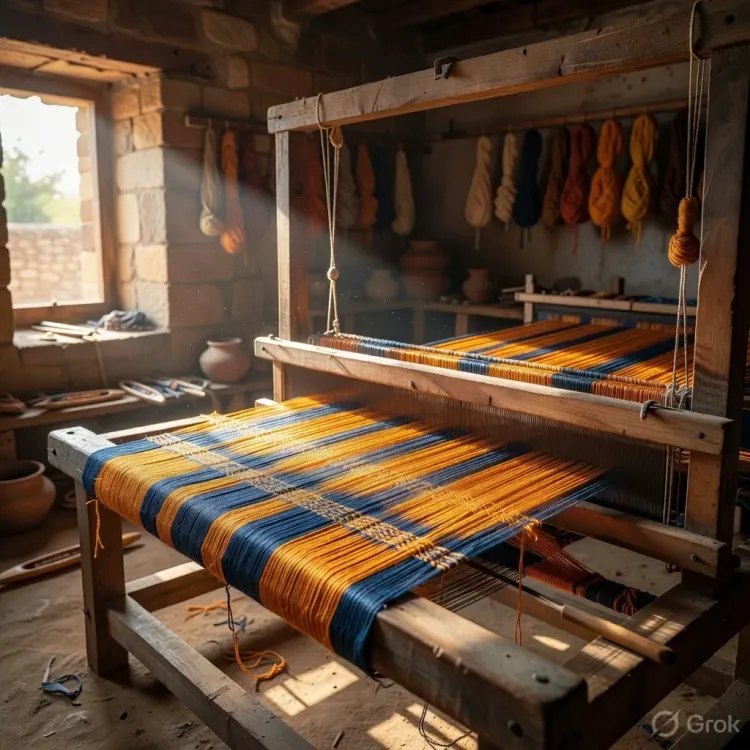
Rajasthan is home to some of India's most distinctive handloom traditions. Clusters producing Kota Doria — the lightweight, checkered cotton-silk fabric prized for its translucency — and Bagru block prints represent generations of artisan knowledge embedded in specific geographies. These are not museum artefacts; they are active economic ecosystems supporting weaver households in districts across the state.
At the national level, the National Handloom Development Programme, launched in 2015, provides infrastructure, marketing support, and welfare coverage to weavers in states including Rajasthan. State governments periodically reinforce this framework with their own cluster development and livelihood initiatives.
Why This Moment Matters for Artisan Families
Sharma, who took office as Chief Minister in December 2023, has used the 'Aapno Agrani Rajasthan' framing to project a development-first image for his administration. A public endorsement of the handloom sector — even a brief one — carries weight: it signals to artisan communities, buyers, and potential investors where the state's political attention sits. The sector is particularly significant for rural women weavers, who form the majority of the handloom workforce in Rajasthan.
The real test will come in budget allocations and cluster-development announcements. A statement of solidarity is the opening note; the policy score that follows it will determine whether the promise translates into expanded markets, better yarn subsidies, or upgraded weaving infrastructure for the families the CM invoked.
Point of View
Statements of this kind carry a policy accountability risk — artisan groups and opposition benches will benchmark actual budget lines against the rhetoric. The real signal to watch is whether the next state budget or supplementary demand includes expanded cluster grants or yarn subsidy enhancements for Rajasthan's weaver households.
NationPress
22 Sept 2026
Frequently Asked Questions
What did Rajasthan CM Bhajan Lal Sharma say about the handloom industry?
The Chief Minister's Office posted that the handloom industry is the livelihood foundation for millions of families in Rajasthan, using the Hindi phrase 'Hathkargha udyog, laakhon parivaron ki aajivika ka aadhar hai.'
What handloom products is Rajasthan known for?
Rajasthan is known for Kota Doria, a lightweight cotton-silk fabric, and Bagru block prints, both produced in active artisan clusters across the state.
What is the National Handloom Development Programme?
The National Handloom Development Programme, launched in 2015, provides infrastructure, marketing support, and welfare coverage to handloom weavers across Indian states including Rajasthan.
Who is Bhajan Lal Sharma?
Bhajan Lal Sharma is a BJP politician who has served as Chief Minister of Rajasthan since December 2023.
What does 'Aapno Agrani Rajasthan' mean?
'Aapno Agrani Rajasthan' translates to 'Our Leading Rajasthan' and is the development branding used by Chief Minister Bhajan Lal Sharma's administration.