Can Delhi CM Rekha Gupta Solve Pollution and Waterlogging Issues?

Synopsis
Delhi CM Rekha Gupta is on a mission to resolve long-standing issues of pollution and waterlogging. During her inspection of key infrastructure, she criticized previous governments for their negligence and outlined her administration's commitment to finding effective solutions. Will her plans bring lasting change to the national capital?
Key Takeaways
Commitment to Pollution Control: The Delhi government is taking significant steps to combat pollution.
Addressing Waterlogging: Initiatives are underway to prevent waterlogging in the capital.
Criticism of Past Governments: CM Gupta highlights the negligence of previous administrations.
Zero Stubble Burning: A notable achievement in pollution control for the year 2025.
Community Involvement: The administration emphasizes collective action against pollution.
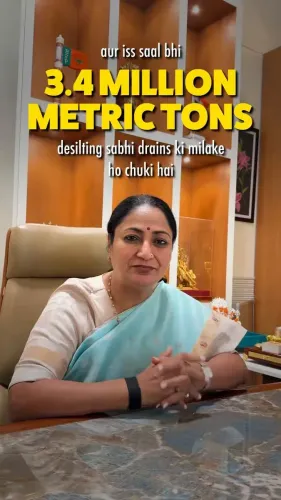
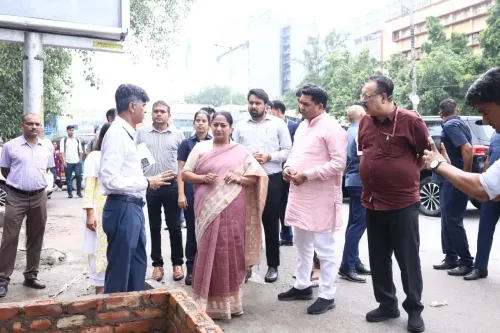
New Delhi, Dec 16 (NationPress) Delhi's Chief Minister Rekha Gupta inspected the ongoing desilting work at Sunehri Pul and evaluated the advancements on Barapullah Bridge Phase-3, reaffirming the administration's dedication to resolving enduring issues such as waterlogging and pollution.
Speaking to the media, she stated, “The previous administration caused suffering in the city through their negligence and inaction, while our initiatives aim to heal the injured capital.”
“What we are implementing now should have been addressed long ago by earlier governments. It will take some time for our efforts to yield visible outcomes,” she added, highlighting the need for drain desilting to tackle waterlogging, as well as road repairs and the installation of mist sprayers to combat pollution.
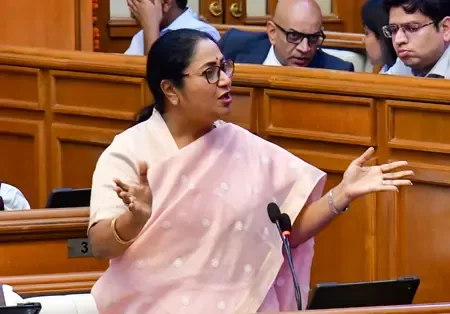
She criticized former Delhi administrations, saying, “If the Congress government during its 15 years and the AAP during its 10 years had taken pollution seriously, the current situation would not be this dire.”
“The challenges facing Delhi residents today, including waterlogging and pollution, stem from the negligence of past governments,” she asserted.
Earlier, CM Gupta targeted former CM and AAP National Convenor Arvind Kejriwal, accusing him of abandoning the public during peak pollution periods to seek calm in other cities.
“We are united in this fight. Unlike them, we do not abandon Delhi and flee for a Vipassana retreat every six months,” CM Gupta expressed on X.
“My Delhi, My Responsibility - we are embracing this ethos. The problems exist here, and the solutions must come from here... for Delhi, by being present in Delhi. Both immediate and long-term strategies are being implemented for pollution management,” she stated.
She emphasized that the Delhi government guarantees no resource shortages in the battle against pollution, but any negligence in work will not be accepted.
CM Rekha Gupta pointed out that zero instances of stubble burning in the National Capital Territory of Delhi during the winter of 2025 represent a major achievement of the government’s pollution management strategy.
In 2025, approximately 7,000 acres of paddy were farmed in Delhi, yet due to the government's consistent and systematic efforts, there were no recorded cases of stubble burning in the entire NCT.
Point of View
I believe that CM Rekha Gupta's proactive stance towards addressing pollution and waterlogging in Delhi reflects a crucial turning point for the city. With a history of negligence from previous administrations, her commitment to on-ground solutions is a step towards restoring trust and improving the quality of life for all residents.
NationPress
30 Sept 2026
Frequently Asked Questions
What are the key issues being addressed by CM Rekha Gupta?
CM Rekha Gupta is focusing on tackling pollution and waterlogging in Delhi, which have been persistent legacy problems.
What measures are being implemented to combat pollution?
The measures include drain desilting to prevent waterlogging, road repairs, and the installation of mist sprayers to reduce pollution levels.
How does CM Gupta view previous governments' efforts?
CM Gupta criticizes previous Delhi governments for their inaction and negligence, which she believes contributed to the current pollution crisis.
What was the achievement regarding stubble burning in 2025?
In 2025, Delhi recorded zero incidents of stubble burning, a significant achievement attributed to the government's pollution control policy.
What is the government's commitment to resources in this fight?
The Delhi government has assured that there will be no shortage of resources in the battle against pollution, emphasizing accountability in work.