Delhi CM Rekha Gupta forms waterlogging panels in all 13 districts
Synopsis
Delhi CM Rekha Gupta has institutionalised the capital's monsoon response by forming multi-agency District-Level Coordination Committees in all 13 districts — a structural shift from the city's historically fragmented, reactive approach to waterlogging that has paralysed roads and underpasses every rainy season.
Key Takeaways
Delhi CM Rekha Gupta has directed formation of District-Level Coordination Committees (DLCCs) in all 13 districts of Delhi.
Each committee will be chaired by the District Magistrate (DM) of the respective district.
Members include officials from PWD , Delhi Jal Board , DDA , Municipal Corporations , traffic police, and power firms BSES and TPDDL .
Panels are tasked with drain desilting, bellmouth cleaning, pump deployment, and monitoring waterlogging-prone sites.
The move aims to enforce SOPs set by the State-Level Coordination Committee and improve inter-agency coordination during the monsoon.
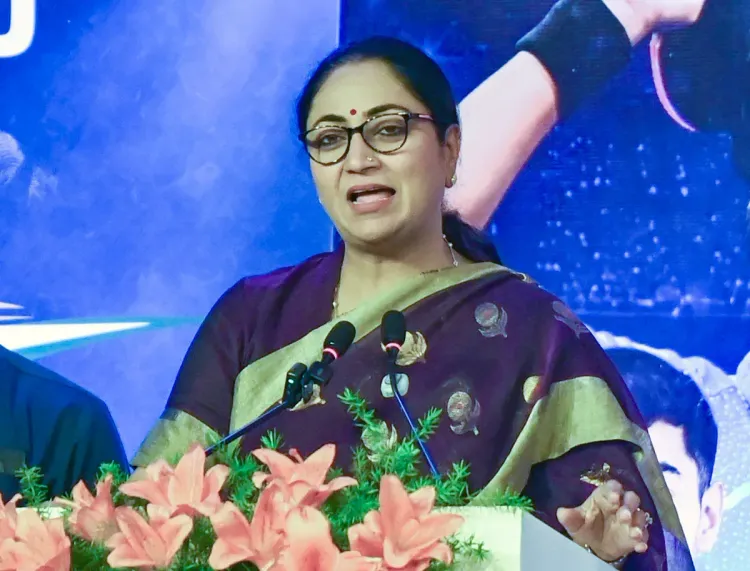
Delhi Chief Minister Rekha Gupta has directed the formation of District-Level Coordination Committees (DLCCs) across all 13 districts of the capital to combat recurring waterlogging during the monsoon season. The move, confirmed by an official on Tuesday, 21 July, aims to strengthen inter-agency coordination and minimise disruption to public life during heavy rainfall.
What the Committees Are Mandated to Do
Each DLCC has been tasked with implementing preventive measures against waterlogging, monitoring the execution of monsoon preparedness strategies, and ensuring that Standard Operating Procedures (SOPs) laid down by the State-Level Coordination Committee (SLCC) are followed on the ground. The committees will also oversee the timely identification of waterlogging-prone vulnerable locations across their respective districts.
Key operational responsibilities include coordinating among agencies at drain junctions, supervising the cleaning of bellmouths, desilting of drains, deploying temporary pumps, and conducting regular inspections of flood-risk sites.
Who Sits on Each Committee
According to an order issued by the Additional Chief Secretary, Irrigation and Flood Control Department, the District Magistrate (DM) of each district will chair the DLCC. The panel will include the Deputy Commissioner of the concerned Municipal Corporation, Executive Engineers from the Irrigation and Flood Control Department, the Public Works Department (PWD), the concerned Municipal Corporation / New Delhi Municipal Council / Delhi Cantonment Board, the Delhi Jal Board, and the Delhi Development Authority (DDA).
The Additional Deputy Commissioner of Police (Traffic) of the district will also be a member. Representatives from power distribution companies BSES and TPDDL will participate as members, while the Additional District Magistrate (ADM) will serve as Member Secretary.
Why This Matters for Delhi Residents
Waterlogging has been a perennial crisis in Delhi during the monsoon, with flooded underpasses, submerged roads, and traffic gridlock causing significant hardship across the city each year. By institutionalising a multi-agency committee at the district level — rather than relying on ad hoc responses — the Gupta administration is attempting a structural fix to a problem that has historically exposed coordination failures between the PWD, Municipal Corporations, and the Delhi Jal Board.
Notably, the inclusion of traffic police and power distribution companies signals an acknowledgement that waterlogging cascades into traffic and electricity disruptions, not just drainage failures.
What Happens Next
The DLCCs are expected to begin ground-level monitoring immediately, given that the monsoon is already active over Delhi. Chief Minister Gupta has stated that the objective is to ensure public safety through better departmental coordination throughout the monsoon period and beyond.
Point of View
But Delhi has seen coordination frameworks announced before monsoons that quietly dissolve after them. The real test is whether these DLCCs have enforcement teeth — specifically, whether the DM chair can compel the PWD, Delhi Jal Board, and municipal bodies to act in real time, given that these agencies answer to different political and administrative masters. The inclusion of BSES and TPDDL is a welcome acknowledgement that waterlogging is a cascading problem, not just a drainage one. But without public reporting on committee meetings and outcomes, accountability will remain difficult to verify.
NationPress
20 Oct 2026
Frequently Asked Questions
What are the District-Level Coordination Committees formed by Delhi CM Rekha Gupta?
These are multi-agency panels constituted in all 13 districts of Delhi to prevent and manage waterlogging during the monsoon. Each committee is chaired by the District Magistrate and includes officials from the PWD, Delhi Jal Board, DDA, Municipal Corporations, traffic police, and power distribution companies BSES and TPDDL.
Why has Delhi formed these waterlogging committees?
Waterlogging is a recurring crisis in Delhi during the monsoon, exposing long-standing coordination failures among multiple agencies. The committees aim to enforce Standard Operating Procedures, improve inter-departmental coordination, and ensure faster ground-level response to flooding.
Who chairs each District-Level Coordination Committee in Delhi?
The District Magistrate (DM) of the respective district chairs each DLCC, with the Additional District Magistrate (ADM) serving as Member Secretary.
What specific tasks are the DLCCs responsible for?
The committees are responsible for desilting drains, cleaning bellmouths, deploying temporary pumps, inspecting waterlogging-prone locations, and monitoring implementation of monsoon SOPs prepared by the State-Level Coordination Committee.
Which agencies are represented on Delhi's waterlogging coordination committees?
Each DLCC includes representatives from the Irrigation and Flood Control Department, PWD, the concerned Municipal Corporation or NDMC or Delhi Cantonment Board, Delhi Jal Board, Delhi Development Authority, traffic police, and power distributors BSES and TPDDL.