Amit Shah wishes nation Vijayadashami, invokes dharma and Lord Ram
Synopsis
Union Home Minister Amit Shah on October 20, 2026, wished the nation on Vijayadashami, invoking the victory of dharma over adharma, and prayed that Lord Ram's grace brings joy and renewed energy to every citizen.
Key Takeaways
Union Home Minister Amit Shah posted Vijayadashami greetings on X on October 20, 2026 .
He described the festival as the mahaprav (great festival) of the victory of dharma over adharma and truth over falsehood.
Shah called on countrymen to stay firm on the path of dharma, dignity (maryada), and duty (kartavya) .
He invoked the grace of Lord Shri Ram for joy and new energy in every citizen's life.
The message closed with the salutation 'Jai Shri Ram!' — a customary sign-off on this festival.
On the auspicious morning of Vijayadashami, October 20, 2026, Union Home Minister Amit Shah extended heartfelt greetings to the nation, invoking the eternal triumph of righteousness over unrighteousness and truth over falsehood — the central message of one of Hinduism's most celebrated festivals.
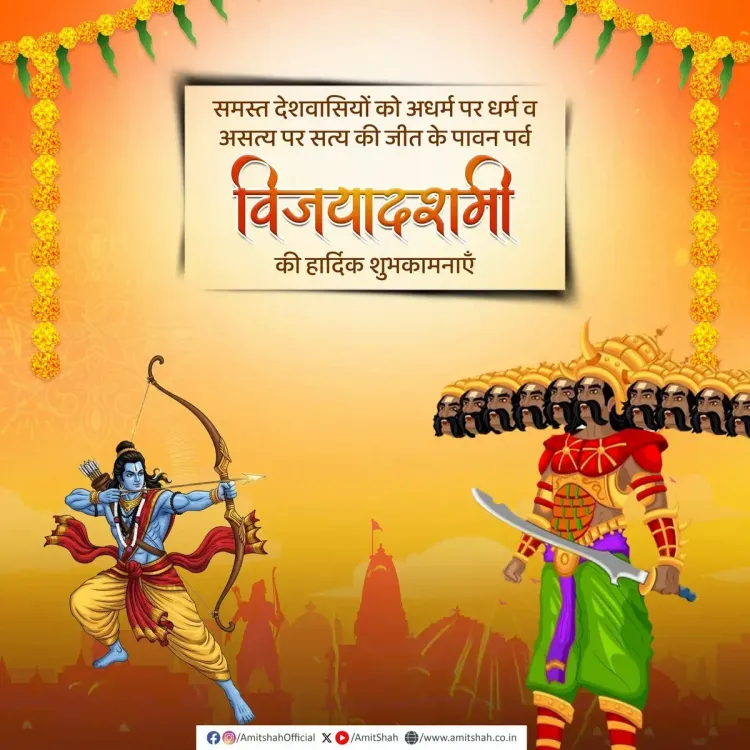
In his post on X, Shah wrote: 'अधर्म पर धर्म और असत्य पर सत्य की विजय के महापर्व विजयादशमी की सभी देशवासियों को हार्दिक शुभकामनाएँ।' — 'Heartfelt greetings to all countrymen on the great festival of Vijayadashami, which marks the victory of dharma over adharma and truth over falsehood.' He added that the festival inspires people to walk firmly on the path of dharma, dignity, and duty, and prayed that the grace of Lord Shri Ram brings joy and renewed energy into every life, closing with the salutation 'Jai Shri Ram!'
What Vijayadashami commemorates
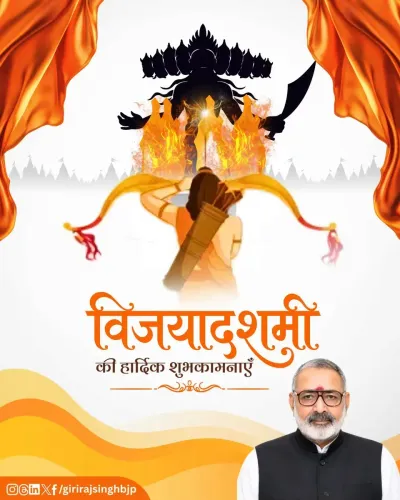
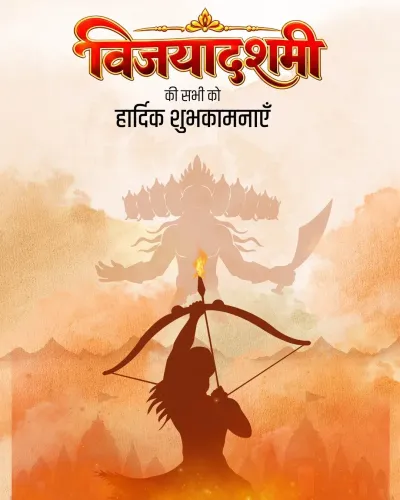
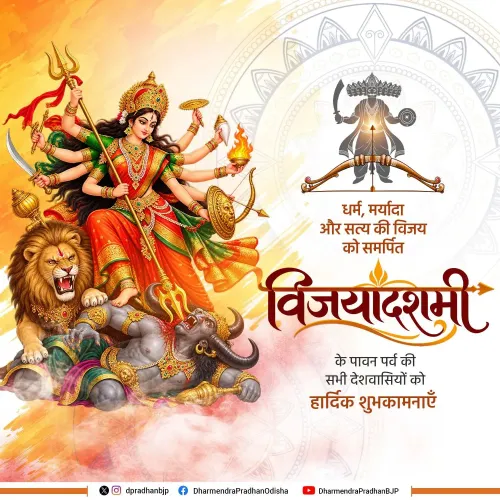
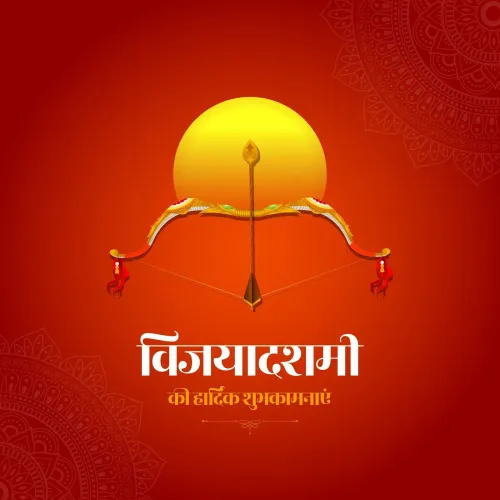
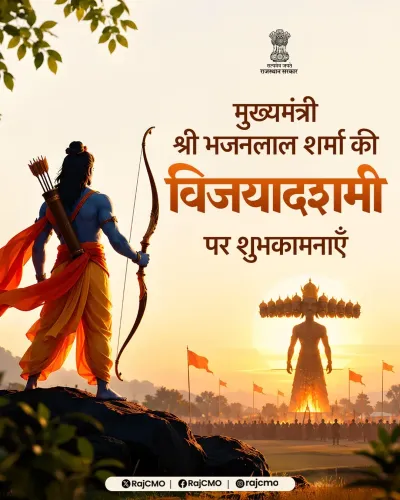
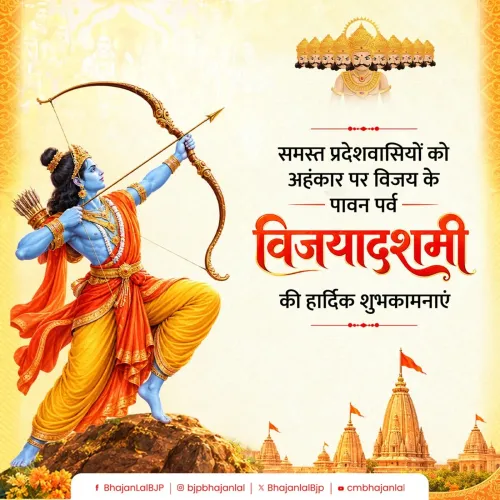
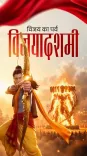
Vijayadashami, widely known as Dussehra, falls on the tenth day of the bright fortnight of the Hindu month of Ashwin, marking the day Lord Ram vanquished the demon king Ravana as recounted in the Ramayana. Across India, effigies of Ravana are burned in public grounds, symbolising the annihilation of arrogance and evil. The festival is observed by hundreds of millions of Hindus as one of the ten most sacred days in the calendar.
Dharma, maryada, kartavya — the triad Shah underlines
Shah's message is threaded around three Sanskrit concepts: dharma (righteousness), maryada (dignity or moral boundaries), and kartavya (duty) — qualities that Lord Ram himself embodies in Hindu tradition, earning him the epithet Maryada Purushottam, the ideal upholder of moral order. By invoking this triad on a day of national observance, the Home Minister situates the festival's mythological victory within the larger civic and moral framework it has long represented for Indians. It is a register senior Indian leaders across the political spectrum have drawn upon during Vijayadashami for decades.
Point of View
But the specific framing matters. Shah's invocation of dharma, maryada, and kartavya — the three moral pillars associated with Lord Ram — reflects the BJP's consistent use of Ramayan iconography as a civic vocabulary, particularly potent since the consecration of the Ram Mandir in Ayodhya in 2024. For the Home Minister, this is also a moment of cultural consolidation: tying national duty to a mythological archetype reinforces a values-based nationalist identity the party has long cultivated. Expect similar messaging from counterparts across the spectrum, though the specific lexicon will vary.
NationPress
20 Oct 2026
Frequently Asked Questions
What did Amit Shah say on Vijayadashami 2026?
Amit Shah extended heartfelt Vijayadashami greetings to all citizens, invoking the victory of dharma over adharma and truth over falsehood, and prayed for Lord Ram's grace to bring joy and new energy to every life.
Why is Vijayadashami celebrated in India?
Vijayadashami, also called Dussehra, commemorates Lord Ram's victory over the demon king Ravana as described in the Ramayana. It symbolises the triumph of righteousness over evil and is observed by burning effigies of Ravana across the country.
What is the significance of 'Maryada Purushottam' in the context of Vijayadashami?
Lord Ram is revered as 'Maryada Purushottam' — the ideal upholder of moral boundaries and dharma. Vijayadashami celebrates his qualities of righteousness, dignity, and duty, which leaders like Amit Shah invoke in festival messages.
When is Vijayadashami in 2026?
Vijayadashami in 2026 falls on October 20 , marking the tenth day of the bright fortnight of the Hindu month of Ashwin.
What does 'Jai Shri Ram' mean?
'Jai Shri Ram' translates to 'Victory to Lord Ram' and is a traditional Hindu salutation, commonly used as a greeting and invocation, especially during Vijayadashami and other Ram-related observances.