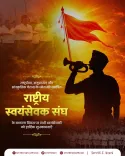
Amit Shah Greets RSS on Its 101st Foundation Day
Synopsis
Union Home Minister Amit Shah on 20 October 2026 greeted RSS volunteers on the organisation's 101st foundation day, praising their 'Bhagirath effort' in nurturing Indian culture, spreading patriotism and connecting youth to nation-building — a ritual BJP leaders observe each Vijayadashami.
Key Takeaways
Union Home Minister Amit Shah posted Vijayadashami greetings to RSS volunteers on 20 October 2026 , the organisation's 101st foundation day .
The RSS was founded on Vijayadashami, 1925 in Nagpur by Dr K.B.
Shah described the RSS's work as a 'Bhagirath kārya' — a civilisational-scale effort in cultural nurturing, patriotism and youth engagement.
His message highlighted three RSS-identified pillars: sewa (service), sanskār (cultural formation) and rāshtrabh akti (patriotism).
Senior BJP leaders issuing such greetings each Vijayadashami is an established annual practice that publicly affirms the BJP-RSS ideological relationship.
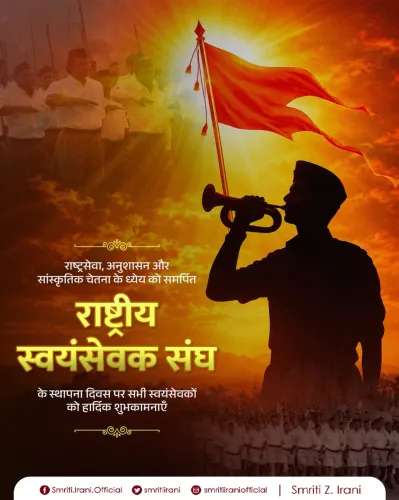
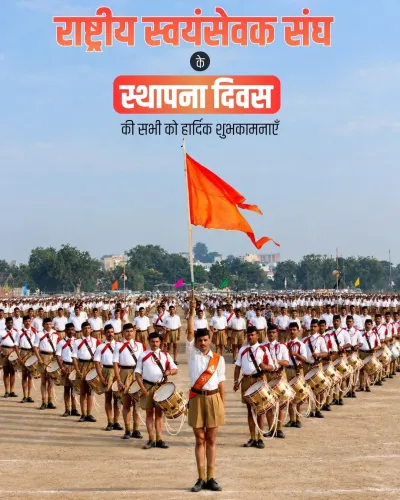
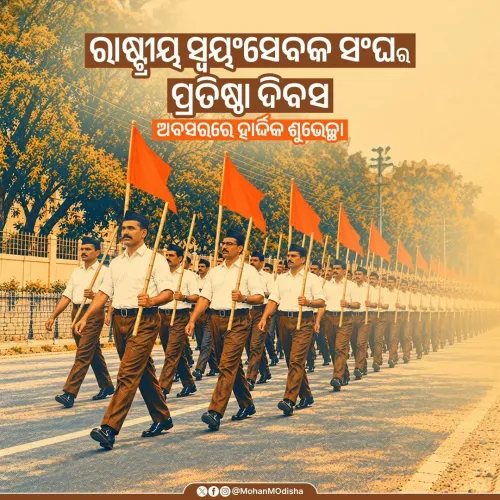
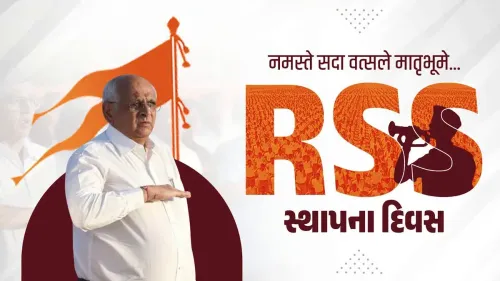
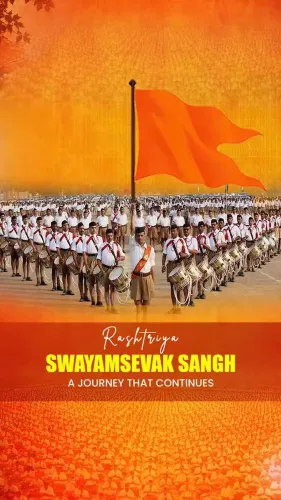
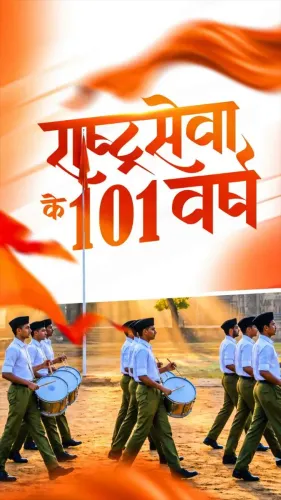
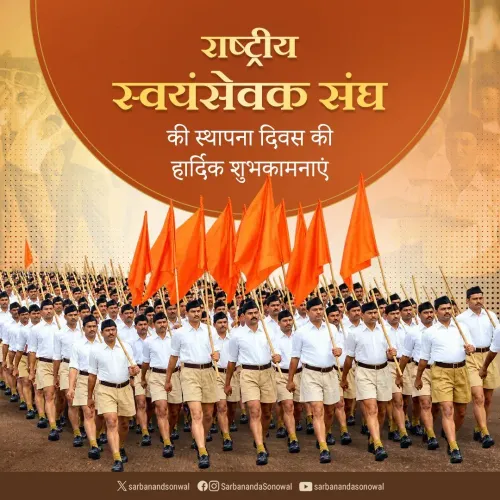
A century and one year after K.B. Hedgewar founded the Rashtriya Swayamsevak Sangh on Vijayadashami, 1925, Union Home Minister Amit Shah marked the organisation's foundation day on Tuesday, 20 October 2026 with a tribute calling its volunteers the living flame of national devotion.
Posting in Hindi on X, Shah extended 'heartfelt greetings' (hārdik shubhkāmnāen) to all RSS volunteers, describing their work as a 'Bhagirath kārya' — a Herculean, near-mythological effort — in nurturing the roots of Indian culture, igniting the spirit of patriotism across society, and connecting youth to the project of nation-building. The reference to the Bhagirath legend, the sage who laboured to bring the Ganga to earth, carries deliberate cultural weight: it frames the RSS's century-long mission not as politics but as civilisational service.
101 years of the RSS: from Nagpur to a national network
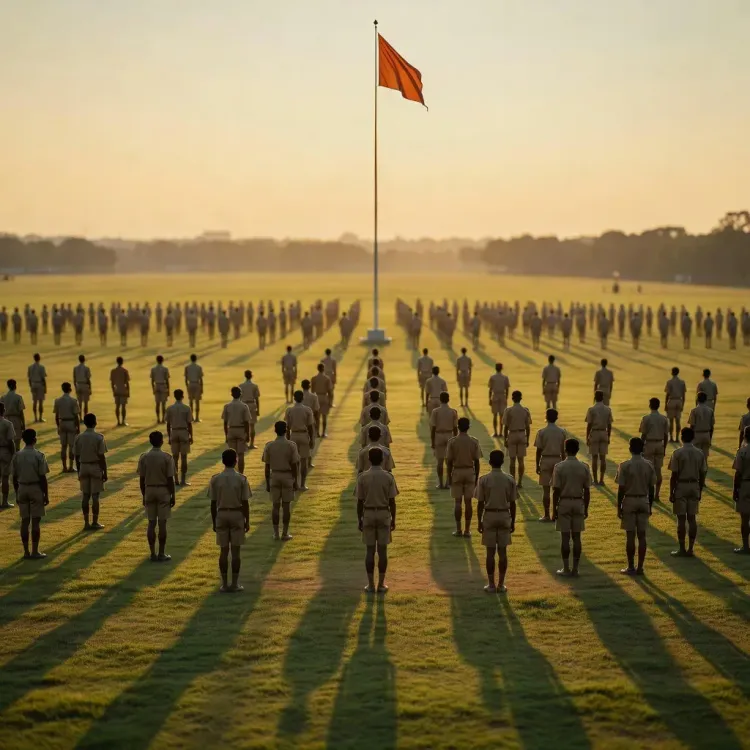
The RSS was established on Vijayadashami, 27 September 1925, in Nagpur by Dr Keshav Baliram Hedgewar, a physician turned organiser who believed India's freedom struggle needed a disciplined, values-driven volunteer corps as its social backbone. What began as a small shakha — a daily morning drill-and-discussion session in a local ground — has grown over a hundred years into one of the world's largest volunteer organisations, with a presence in every Indian state and a constellation of affiliated bodies spanning education, labour, tribal welfare and farmer outreach.
Shah's message highlighted three pillars that the RSS publicly claims as its mandate: sewa (service), sanskār (cultural formation), and rāshtrabh akti (patriotism). His closing lines cast this as an 'unbroken stream' that will 'kindle the immortal flame of love for one's homeland in the hearts of generations to come, for ages upon ages.'
BJP and RSS: an annual ritual with ideological roots
Senior BJP leaders issuing Vijayadashami greetings to the RSS is a long-established practice — part of the public vocabulary through which India's ruling party acknowledges the organisation widely regarded as its ideological parent. The BJP emerged from the Jana Sangh, itself founded by RSS pracharaks, and the two organisations have maintained a symbiotic, if formally separate, relationship ever since.
Shah's language — 'Rashtra-pratham' (nation-first), 'Maa Bharati ki seva' (service to Mother India), 'aatmanirbhar Bharat' (self-reliant India) — weaves the RSS's founding vocabulary together with the current government's flagship programme branding, a rhetorical continuity that underscores how deeply the ruling dispensation draws on the RSS ideological well.
As the RSS enters its second century, the question its admirers and critics alike will watch is whether its vast volunteer network translates cultural mission into measurable social outcomes — in education, disaster relief, and tribal development — or remains primarily a mobilisation engine for electoral politics. Shah's tribute, for its part, bets firmly on the former reading.
Point of View
' 'self-reliant India,' and 'Bhagirath effort' is not accidental; it stitches RSS founding vocabulary to the current government's programme branding, reinforcing a continuum from Hedgewar's Nagpur shakha to New Delhi's policy agenda. As the RSS turns 101, the tribute also serves a generational purpose: affirming to lakhs of grassroots volunteers that their daily discipline commands recognition at the highest levels of government.
NationPress
20 Oct 2026
Frequently Asked Questions
When was the RSS founded and by whom?
The Rashtriya Swayamsevak Sangh was founded on Vijayadashami, 27 September 1925 , in Nagpur by Dr Keshav Baliram Hedgewar , a physician who sought to build a disciplined volunteer organisation rooted in Hindu cultural values.
Why did Amit Shah post greetings to the RSS on 20 October 2026?
20 October 2026 falls on Vijayadashami, the Hindu festival that also marks the RSS's annual foundation day. Senior BJP leaders including Shah have made it a long-standing practice to extend greetings to RSS volunteers on this occasion each year.
What did Amit Shah say about the RSS in his post?
Shah described the RSS's work as a 'Bhagirath effort' in nurturing Indian culture, kindling patriotism and engaging youth in nation-building, and praised volunteers' service activities as continuously strengthening the resolve to build a 'strong, prosperous and self-reliant India.'
What is the relationship between the BJP and the RSS?
The BJP is widely regarded as the political offshoot of the RSS. The BJP evolved from the Jana Sangh, which was founded by RSS pracharaks. While the two organisations are formally separate, they share overlapping ideology, cadre networks and leadership pipelines, a relationship BJP leaders publicly affirm through annual tributes like this one.
What does Vijayadashami mean for the RSS?
Vijayadashami — marking the triumph of good over evil in Hindu tradition — holds special significance for the RSS because Dr Hedgewar chose it as the founding date in 1925 . The RSS marks it each year as its foundation day with shakha programmes and public events across India.