Delhi CM Rekha Gupta reviews water crisis, Haryana assures 1,000 cusecs via Munak Canal
Synopsis
Delhi's summer water crisis has drawn a direct intervention from Chief Minister Rekha Gupta, who secured a 1,000-cusec assurance from Haryana through the Munak Canal and mobilised 980-plus tankers for 6,000 daily trips. With IIT Roorkee tasked to study a dedicated pipeline and 11,055 complaints logged in a week, this is both an emergency response and an admission that Delhi's water infrastructure needs structural repair.
Key Takeaways
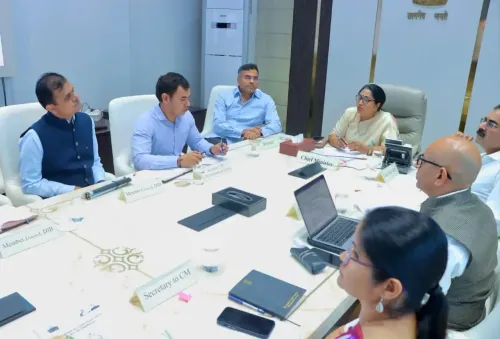
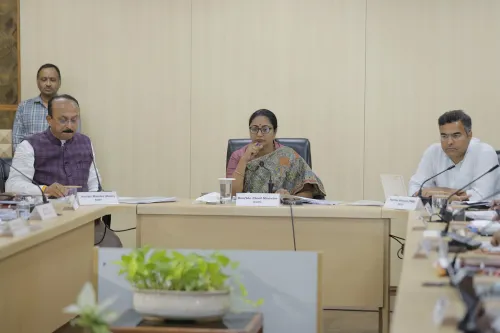
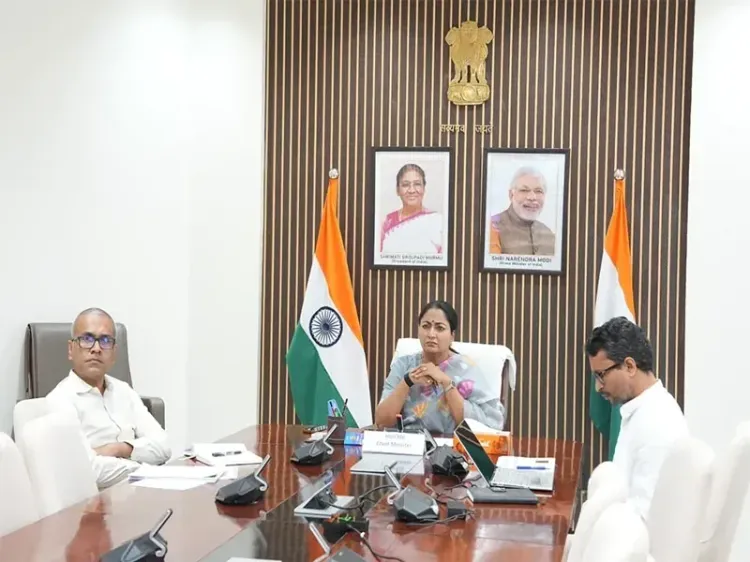
Delhi CM Rekha Gupta held a water crisis review meeting on 30 May 2025 via video conference from the Chief Minister Seva Sadan.
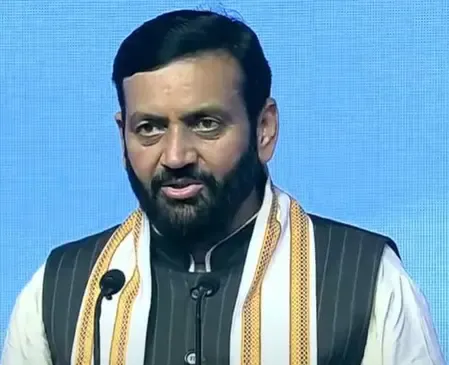
Haryana CM Nayab Singh Saini assured a minimum of 1,000 cusecs of water to Delhi through the Munak Canal .
More than 980 Delhi Jal Board tankers are conducting over 6,000 trips daily ; new borewells have added 10.5 MGD of production capacity.
The Delhi Jal Board helpline received 11,055 complaints in one week; more than 8,500 have been resolved.
IIT Roorkee is conducting a feasibility study on a dedicated water pipeline from Haryana to reduce transit losses.
Long-term plans include Yamuna dredging near Wazirabad , new water treatment plants, and expanded borewells in the Yamuna Khadar area.
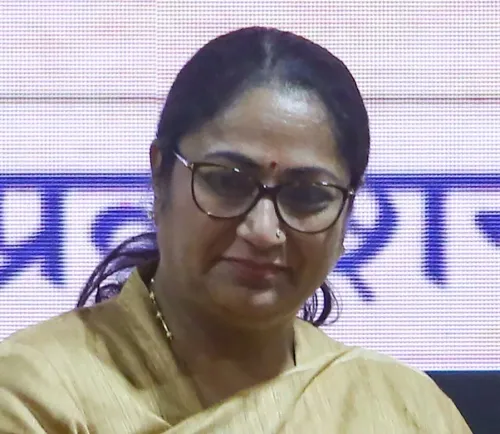
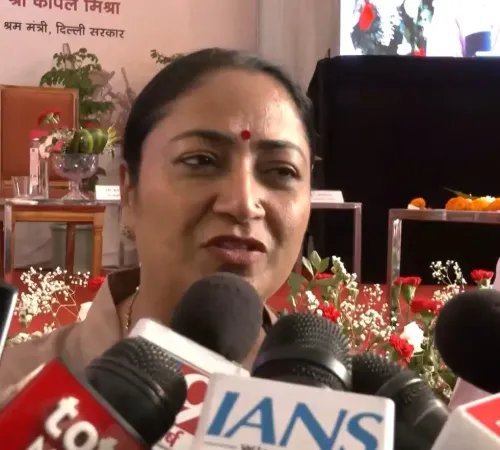
Delhi Chief Minister Rekha Gupta on Saturday, 30 May chaired a high-level review meeting on the capital's worsening water crisis, announcing that the government is working on a war footing to restore adequate drinking water supply to every Delhi resident. The meeting, held via video conferencing from the Chief Minister Seva Sadan, followed direct talks with Haryana Chief Minister Nayab Singh Saini, who assured a minimum of 1,000 cusecs of water through the Munak Canal.
What Triggered the Crisis
The immediate strain on Delhi's water supply is linked to reduced water availability near Wazirabad on the Yamuna, a critical intake point for the city's treatment infrastructure. The problem has been compounded by the ongoing heat wave, which has sharply elevated daily demand across the capital's densely populated localities.
This is not the first time the Wazirabad stretch has emerged as a pressure point — the site has historically been a flashpoint in Delhi-Haryana water-sharing disputes, particularly during summer months when upstream flows thin out.
Emergency Relief Measures Deployed
To bridge the supply gap, the Delhi Jal Board has mobilised more than 980 water tankers conducting over 6,000 trips daily. Smaller tankers have been specifically deployed in densely populated areas and narrow lanes where larger vehicles cannot operate. Additionally, new borewells established in the Yamuna Khadar area have boosted water production capacity by 10.5 MGD per day.
Gupta directed officials to treat every reported water leakage incident as a priority matter and instructed Delhi Jal Board officers to personally monitor daily complaints — and, where necessary, conduct field visits to verify the ground situation.
Complaint Redressal and Accountability
According to the Chief Minister, the Delhi Jal Board helpline received 11,055 complaints in the past one week, of which more than 8,500 have been resolved. Gupta directed officials to expedite resolution of the remaining cases without delay.
Notably, the scale of complaints — over 1,500 unresolved in a single week — signals the depth of public frustration with water access in the city, even as the administration accelerates its response.
Long-Term Infrastructure Plans
Beyond immediate relief, the government outlined a set of structural interventions. A feasibility study on laying a dedicated pipeline from Haryana to reduce transit water loss is currently being conducted by IIT Roorkee. Parallel work is under way on dredging and de-silting the Yamuna near Wazirabad, establishing new water treatment plants, and expanding borewells in the Yamuna Khadar zone.
Gupta emphasised that short-term relief and long-term infrastructure planning must proceed simultaneously — a recognition that emergency tanker deployments alone cannot resolve what is structurally a supply-deficit city.
Officials Present at the Review
The video conference was attended by Water Minister Pravesh Sahib Singh, Delhi Jal Board Vice Chairperson Satish Upadhyay, Member Ajay Mahawar, Chief Secretary Rajeev Verma, Delhi Jal Board CEO Vijay Bidhuri, and other senior officials.
With summer temperatures expected to remain elevated in the weeks ahead, the administration's ability to sustain tanker operations while fast-tracking the IIT Roorkee pipeline study will be the key test of whether this review translates into lasting relief for Delhi's residents.
Point of View
000-cusec assurance from Haryana is a political gesture as much as a hydraulic one — it buys time but does not resolve the structural deficit that leaves Delhi perpetually dependent on upstream goodwill every summer. The IIT Roorkee pipeline study is the most consequential long-term signal in this announcement, yet feasibility studies have a way of outlasting the urgency that commissioned them. With 11,055 complaints in a single week, the gap between administrative response and citizen experience remains wide. Until Delhi's own treatment and distribution infrastructure is upgraded to reduce the 30-40% losses endemic to its ageing network, no amount of inter-state assurances will make the taps run reliably.
NationPress
21 Sept 2026
Frequently Asked Questions
Why is Delhi facing a water shortage in May 2025?
Delhi's water supply is under strain due to reduced water availability near Wazirabad on the Yamuna, a key intake point, worsened by elevated demand during the ongoing heat wave. The Wazirabad stretch is a recurring pressure point in Delhi's summer water supply, particularly when upstream flows from Haryana thin out.
What has Haryana agreed to provide Delhi during the water crisis?
Haryana Chief Minister Nayab Singh Saini assured Delhi Chief Minister Rekha Gupta that Haryana will maintain a minimum of 1,000 cusecs of water supply to Delhi through the Munak Canal. The assurance came following a direct call between the two Chief Ministers.
How many water tankers are operating in Delhi to address the shortage?
More than 980 Delhi Jal Board water tankers are currently conducting over 6,000 trips daily across the capital. Smaller tankers have also been deployed specifically for densely populated areas and narrow lanes that larger vehicles cannot access.
What long-term steps is the Delhi government taking on water supply?
The government has commissioned IIT Roorkee to study the feasibility of a dedicated pipeline from Haryana to reduce water transit losses. Additional long-term measures include dredging and de-silting the Yamuna near Wazirabad, setting up new water treatment plants, and developing more borewells in the Yamuna Khadar area.
How many water complaints has the Delhi Jal Board received recently?
The Delhi Jal Board helpline received 11,055 complaints in the past one week, of which more than 8,500 have been resolved. Chief Minister Rekha Gupta has directed officials to expedite resolution of the remaining complaints and personally monitor the daily complaint log.