HP CM Office Celebrates Maihla Village Folk Heritage
Synopsis
The Chief Minister's Office of Himachal Pradesh celebrated Maihla village's traditional folk music and collective dances on November 5, 2026, calling the village a distinctive part of the state's rich cultural heritage and praising the simplicity and authenticity of its living folk traditions.
Key Takeaways
The Chief Minister's Office of Himachal Pradesh posted a cultural tribute on November 5, 2026 spotlighting Maihla village .
The post highlighted Maihla's traditional tunes and collective dances as authentic reflections of rural folk life.
The CMO emphasised that the traditions' greatest strength lies in their simplicity and originality — free of artifice or pretension.
The post is part of a broader pattern of Himachal Pradesh's state government amplifying local intangible cultural heritage on social media.
Rural communities and folk artists of Maihla are the primary stakeholders acknowledged by this institutional recognition.
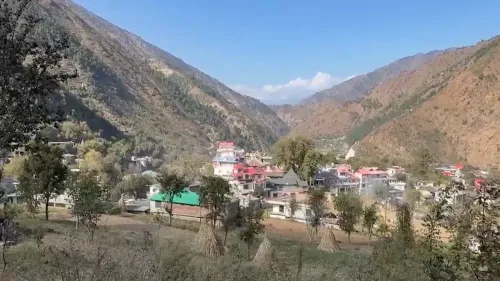
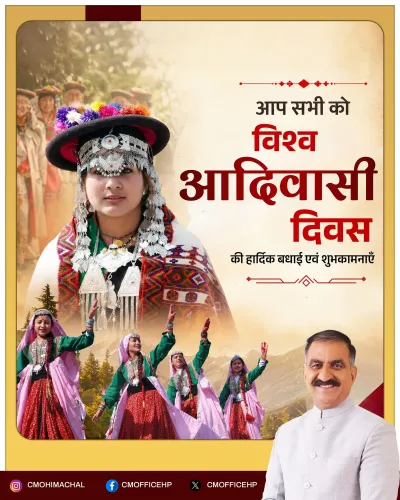
In the hills of Himachal Pradesh, a village is holding its ground against the tide of forgetting. The Chief Minister's Office of Himachal Pradesh turned its spotlight on Maihla village on Thursday, November 5, 2026, celebrating the settlement's distinctive place in the state's rich cultural tapestry.
The post, shared in Hindi, reads: 'Himachal ki samridh sanskritik virasat mein Maihla gaon ka apna vishisht sthan hai' — 'Maihla village holds its own distinct place in Himachal's rich cultural heritage.' The office highlighted the village's traditional tunes and collective dances as vivid reflections of folk life, noting that the simplicity and originality of these art forms are their greatest strength. 'Without any artifice or pretension,' the post observed, 'these traditions live on in the villages.'
Maihla's music and dance — unfiltered and unadorned
What the CMO's post underscores is a quality that distinguishes Himachal's folk traditions from staged cultural performances: their organic, community-rooted character. The collective dances and melodic folk tunes of Maihla emerge not from rehearsed spectacle but from the daily rhythms of rural life — harvests, festivals, communal gatherings.
Himachal Pradesh is home to dozens of such micro-traditions, each valley and cluster of villages carrying its own repertoire of song and movement. The state government has consistently used its platforms to surface these local expressions, weaving cultural pride into its public communication.
Why state governments are betting on intangible heritage
Across India, state administrations have grown more deliberate about documenting and amplifying intangible cultural assets — folk music, oral traditions, ritual dances — that sit outside mainstream tourism brochures. Himachal Pradesh is no exception. The state's folk arts are frequently woven into its identity alongside its mountain landscapes, and social-media spotlights like this one serve a dual purpose: affirming rural communities and signalling to the wider world that the hills carry more than scenery.
For the folk artists and rural communities of Maihla, the acknowledgement from the state's highest administrative office is itself a form of documentation — a small but visible act of institutional memory.
The traditions that need no stage and no spotlight to survive are precisely the ones worth shining a light on.
Point of View
Whose public identity is closely tied to both its natural landscape and its diverse hill cultures, amplifying village-level folk traditions reinforces a governance narrative of cultural stewardship. Such posts also serve as low-cost, high-reach instruments for affirming rural communities at a time when urbanisation and digital culture steadily erode oral and performative traditions. The long-term question is whether symbolic recognition translates into structural support — documentation drives, artist welfare schemes, or festival funding.
NationPress
5 Nov 2026
Frequently Asked Questions
Where is Maihla village located?
Maihla village is located in Himachal Pradesh, a northern Indian state known for its diverse regional folk arts and cultural traditions preserved in rural hill communities.
What kind of folk traditions does Maihla village have?
According to the Chief Minister's Office of Himachal Pradesh, Maihla village is known for its traditional tunes and collective dances that reflect the everyday rhythms and spirit of folk life in the region.
Why did the HP CMO post about Maihla village?
The HP CMO posted to celebrate the village's distinct place in Himachal Pradesh's rich cultural heritage, emphasising the authenticity and simplicity of its living folk traditions.
What is intangible cultural heritage in India?
Intangible cultural heritage refers to living traditions such as folk music, oral storytelling, dance, rituals, and craftsmanship that communities pass down across generations, as recognised under UNESCO frameworks and India's own cultural preservation efforts.
Does Himachal Pradesh government promote local folk culture regularly?
Yes, the Himachal Pradesh state government and its official accounts periodically highlight local cultural traditions to reinforce regional identity and support heritage documentation, often alongside broader tourism promotion efforts.