HP CM Office Honours Tribal Heritage on World Tribal Day
Synopsis
On World Tribal Day 2026, the Himachal Pradesh Chief Minister's Office honoured the state's tribal communities — Gaddi, Gujjar, Lahuli and Kinnaura — calling their Himalayan cultures, nature-linked practices and ancestral traditions a shared heritage and source of inspiration for all.
Key Takeaways
The HP Chief Minister's Office posted a tribute on 9 August 2026 , coinciding with World Tribal Day .
The message described tribal culture and traditions as 'our shared heritage' ( हमारी साझा विरासत ).
Recognised Scheduled Tribes in Himachal Pradesh include the Gaddi , Gujjar , Lahuli and Kinnaura communities.
Key tribal districts — Kinnaur , Lahaul-Spiti and Chamba — are among the most ecologically sensitive regions in the Himalayas.
The Fifth Schedule of the Indian Constitution provides formal protections for tribal areas and cultural practices in states like Himachal Pradesh.
Possible follow-up action may include tribal cultural documentation programmes or state participation in Janjatiya Gaurav Divas .
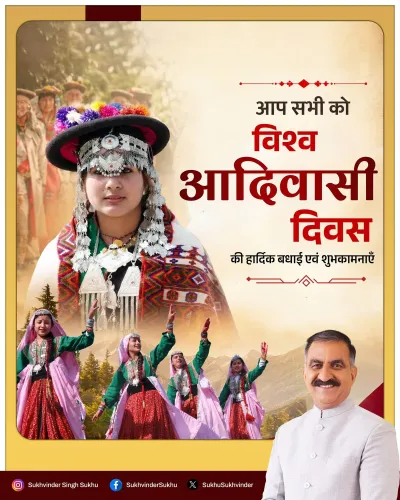
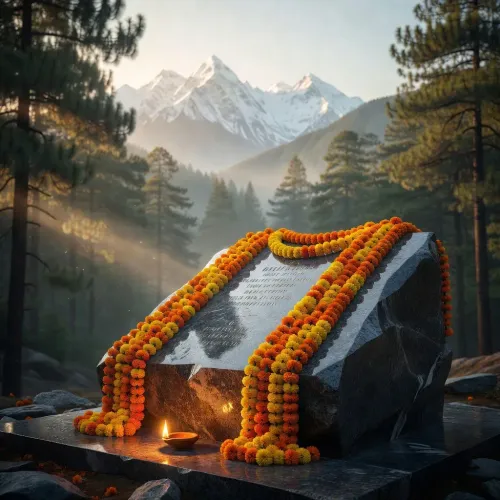
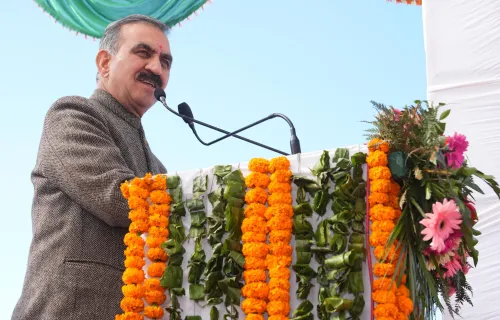
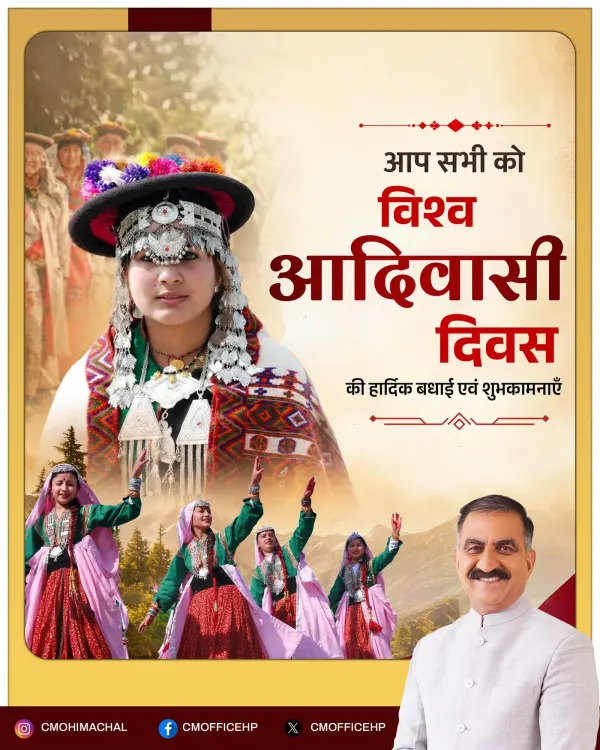
The mountains of Himachal Pradesh hold cultures older than any written record — and on Sunday, 9 August 2026, the Chief Minister's Office of Himachal Pradesh paused to say so publicly. In a heartfelt message marking World Tribal Day, the CMO paid tribute to the state's tribal communities, calling their traditions a shared inheritance for all.
Posting in Hindi, the CMO wrote: 'हिमाचल प्रदेश के आदिवासी भाइयों-बहनों की समृद्ध संस्कृति और परंपराएँ हमारी साझा विरासत हैं' — 'The rich culture and traditions of the tribal brothers and sisters of Himachal Pradesh are our shared heritage.' The message went on to highlight their deep bond with nature, their instinctive worldview, and their commitment to preserving ancestral customs as a source of inspiration for everyone.
Who the tribute reaches: Gaddi, Gujjar, Kinnaura and beyond
Himachal Pradesh is home to several constitutionally recognised Scheduled Tribes — among them the Gaddi, Gujjar, Lahuli and Kinnaura communities — concentrated in remote Himalayan districts including Kinnaur, Lahaul-Spiti and Chamba. These communities have sustained distinct languages, pastoral practices, and ecological knowledge systems across generations, often in terrain that remains inaccessible for months each winter. The Fifth Schedule of the Indian Constitution provides a formal protective framework for tribal areas and cultural practices in states like Himachal Pradesh, recognising the need to safeguard indigenous ways of life within a rapidly modernising country.Nature, tradition, and a worldview worth preserving
The CMO's message singled out three qualities: the tribes' closeness to nature, their 'instinctive vision of life' (जीवन के प्रति उनकी सहज दृष्टि), and their drive to keep traditions alive. These are not ornamental phrases. In ecologically fragile Himalayan zones, indigenous communities often function as de facto custodians of forest, water and biodiversity — knowledge that formal conservation programmes increasingly seek to document and integrate. State governments across India issue such acknowledgements periodically, often timed to national frameworks or observances. Whether Himachal Pradesh follows this message with concrete programmes — cultural documentation drives, participation in events like Janjatiya Gaurav Divas, or fresh welfare schemes — will determine how the tribute translates into policy. For now, the CMO has put on record something simple and significant: that the highland cultures of Himachal Pradesh belong not just to those who live them, but to the state as a whole.Point of View
A globally observed date that gives state governments a ready platform for cultural affirmation — but the real policy test is what follows. Himachal Pradesh's tribal districts sit at the intersection of ecological fragility and cultural distinctiveness, making them both symbolically important and practically urgent for any government serious about inclusive development. Chief Ministers across India have increasingly used such occasions to signal alignment with the Centre's tribal welfare agenda, particularly around Janjatiya Gaurav Divas. Whether this tribute feeds into concrete documentation, welfare, or conservation programmes will reveal how deep the acknowledgement actually runs.
NationPress
23 Sept 2026
Frequently Asked Questions
Why did the HP CM Office post a tribal heritage message on 9 August?
9 August is observed as World Tribal Day (International Day of the World's Indigenous Peoples), making it a natural occasion for state governments to acknowledge tribal communities and their contributions.
Which tribal communities live in Himachal Pradesh?
Himachal Pradesh's constitutionally recognised Scheduled Tribes include the Gaddi , Gujjar , Lahuli and Kinnaura communities, primarily concentrated in the districts of Kinnaur , Lahaul-Spiti and Chamba .
What is the Fifth Schedule and how does it protect tribal communities in HP?
The Fifth Schedule of the Indian Constitution provides special protections for tribal areas and cultural practices, allowing states including Himachal Pradesh to maintain safeguards for Scheduled Tribe communities against land alienation and cultural erosion.
What is Janjatiya Gaurav Divas and is it related to this post?
Janjatiya Gaurav Divas is a national observance held on 15 November each year to celebrate tribal heritage in India. It is a separate occasion from World Tribal Day on 9 August, though both provide platforms for tribal welfare messaging.
Will the HP government announce any tribal welfare schemes following this message?
No specific schemes were announced in this post. Possible follow-up actions could include tribal cultural documentation programmes or increased state participation in national tribal events, but no details have been confirmed.