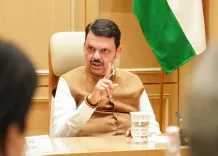
CM Fadnavis Hails Dr. Vikas Amte's UN Laureates' Network Invite
Synopsis
Maharashtra CM Devendra Fadnavis celebrated Dr. Vikas Amte's invitation to the UN Human Rights Prize Laureates' Network, honouring the legacy of his father Padma Vibhushan Baba Amte, the first Indian recipient of the UN Human Rights Prize in 1988.
Key Takeaways
Baba Amte was the first Indian to receive the UN Human Rights Prize , awarded in 1988 for his leprosy rehabilitation work at Anandwan.
Vikas Amte , Secretary of Maharogi Sewa Samiti , has been invited by ACHRS, Jordan to join the UN Human Rights Prize Laureates' Network .
Anandwan was founded in 1949 in Chandrapur district, Maharashtra as a self-reliant community for leprosy patients.
CM Devendra Fadnavis publicly congratulated Dr.
Vikas Amte and the entire Anandwan family on 7 November 2026 .
The recognition extends a seven-decade humanitarian legacy from a grassroots Maharashtra community to an international human rights platform.
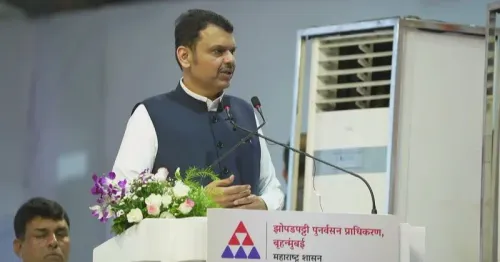
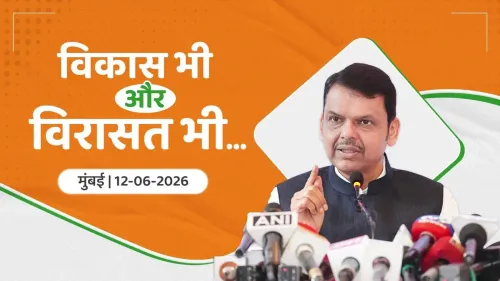
A legacy born in the dust of Chandrapur district in 1949 has just earned a new chapter on the world stage. Maharashtra Chief Minister Devendra Fadnavis on Saturday, 7 November 2026, celebrated the invitation extended to Dr. Vikas Amte, Secretary of Maharogi Sewa Samiti, to join the prestigious UN Human Rights Prize Laureates' Network — a moment he described as 'immense pride for Anandwan and Maharashtra.'
From Baba Amte's 1988 Prize to a Second-Generation Honour
The story begins with Padma Vibhushan Baba Amte, who in 1988 became the first Indian to receive the United Nations Human Rights Prize — awarded once every five years to individuals and organisations that have made outstanding contributions to the promotion and protection of human rights. Baba Amte earned that distinction for his lifelong work rehabilitating leprosy patients at Anandwan, the self-reliant ashram-community he founded in Chandrapur, Maharashtra. The prize placed him alongside some of the twentieth century's most consequential human rights voices.
Now, Dr. Vikas Amte — his son and the continuing steward of that mission — has been invited by the Arab Centre for Human Rights Studies (ACHRS), Jordan, to join the Laureates' Network, a body that connects past UN Human Rights Prize recipients. CM Fadnavis extended 'heartiest congratulations to Dr. Vikas Amte and the entire Anandwan family.'
What Anandwan Represents — Seven Decades of Radical Compassion
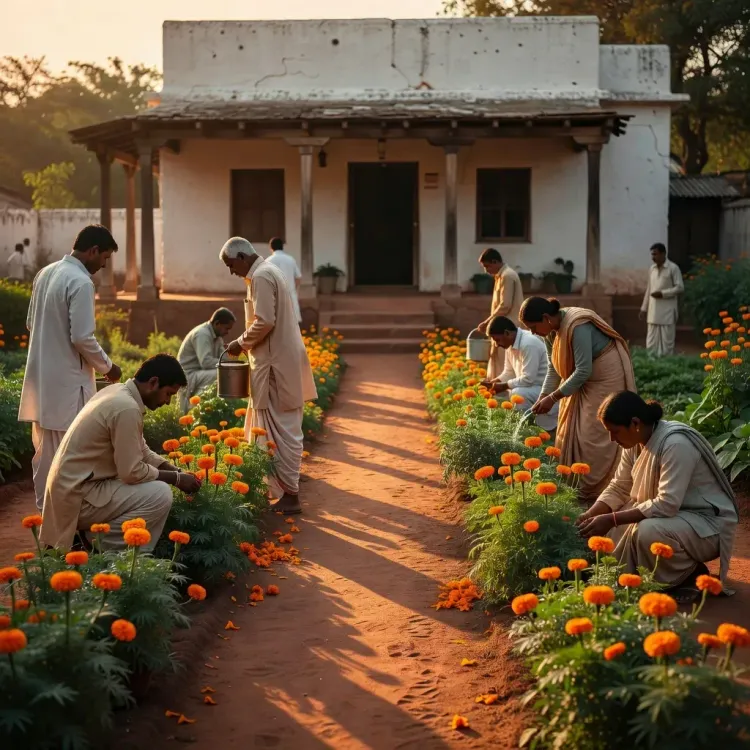
Anandwan, which translates to 'forest of joy,' was established in 1949 at a time when leprosy patients were routinely ostracised and denied basic dignity. Baba Amte's vision was radical: not charity, but self-reliance. Patients farmed, built, taught, and governed the community themselves. Over seven decades, Maharogi Sewa Samiti expanded that model into rural development, disability care, and environmental advocacy — a rare instance of civil society institution-building that has outlasted its founder.
Dr. Vikas Amte has carried that institutional weight as Secretary, keeping the community's programmes alive in an era of shifting government priorities and changing public health landscapes. The ACHRS invitation signals that the international human rights community continues to regard the Amte family's work as a living, relevant model — not merely a historical footnote.
Maharashtra's Gandhian Identity and the Politics of Recognition
CM Fadnavis's public celebration of this moment fits a broader pattern: Maharashtra governments across political lines have periodically invoked the Amte family's legacy to underscore the state's association with Gandhian and humanitarian values. For the current administration, amplifying an internationally recognised humanitarian milestone carries both cultural weight and soft-power resonance — connecting Maharashtra's identity to a global human rights conversation without any partisan friction.
The invitation from a Jordan-based academic and advocacy centre to a Chandrapur-based social worker is also a reminder that grassroots Indian civil society, when it builds durable institutions, earns recognition that transcends borders. That is the quiet, powerful argument embedded in this moment.
For Anandwan — a community that began as an act of defiance against stigma — the world is still paying attention.
Point of View
Publicly amplifying this milestone is low-risk and high-dividend: it associates the Maharashtra government with a universally respected humanitarian legacy. The ACHRS invitation also reflects a growing international interest in community-based models of disability care and social rehabilitation, an area where India's grassroots organisations have quietly led. If the Laureates' Network engagement translates into formal collaborations or state support for Anandwan's expansion, it could mark a meaningful convergence of civil society achievement and government backing.
NationPress
7 Nov 2026
Frequently Asked Questions
Who is Dr. Vikas Amte and why is he in the news?
Dr. Vikas Amte is the Secretary of Maharogi Sewa Samiti and son of legendary social reformer Baba Amte. He is in the news because he has been invited by the Arab Centre for Human Rights Studies (ACHRS), Jordan, to join the UN Human Rights Prize Laureates' Network, carrying forward his father's historic legacy.
When did Baba Amte receive the UN Human Rights Prize?
Baba Amte received the United Nations Human Rights Prize in 1988, becoming the first Indian to be awarded this honour, in recognition of his work rehabilitating leprosy patients at Anandwan in Maharashtra.
What is Anandwan and where is it located?
Anandwan, meaning 'forest of joy,' is a self-reliant community and ashram founded by Baba Amte in 1949 in Chandrapur district, Maharashtra. It was established to rehabilitate leprosy patients and other marginalised groups through self-sufficiency rather than charity.
What is the UN Human Rights Prize Laureates' Network?
The Laureates' Network connects past recipients of the United Nations Human Rights Prize, which is awarded every five years to individuals and organisations making outstanding contributions to human rights. The invitation to Dr. Vikas Amte was extended by ACHRS, Jordan.
What did CM Devendra Fadnavis say about Dr. Vikas Amte's recognition?
Maharashtra Chief Minister Devendra Fadnavis described the development as 'a moment of immense pride for Anandwan and Maharashtra' and extended his 'heartiest congratulations to Dr. Vikas Amte and the entire Anandwan family' in a post on X.