CM Sukhu Visits Villages Under 'Sarkar Gaon Ke Dwar'
Synopsis
Chief Minister Sukhvinder Singh Sukhu visited villages under Himachal Pradesh's 'Sarkar Gaon Ke Dwar' scheme on 5 November 2026, expressing heartfelt thanks for the enthusiastic reception from residents and youth — underlining the state's push to bring governance directly to rural doorsteps.
Key Takeaways
CM Thakur Sukhvinder Singh Sukhu participated in a village visit under the 'Sarkar Gaon Ke Dwar' (Government at the Village's Door) programme on 5 November 2026 .
The programme is designed to deliver direct citizen engagement and grievance redressal at the village level across Himachal Pradesh .
The Chief Minister noted strong participation from youth as well as older residents, describing the reception as 'truly touching.' CM Sukhu has led Himachal Pradesh since December 2022 under the Indian National Congress .
Rural outreach programmes like this one mirror similar initiatives adopted by state governments across India over the past decade to improve administrative accessibility.
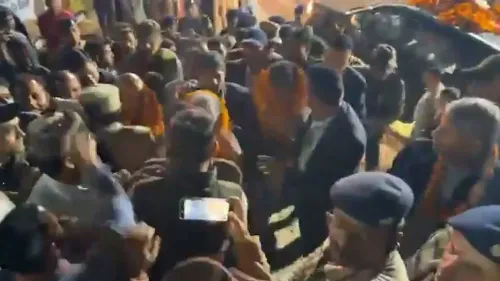
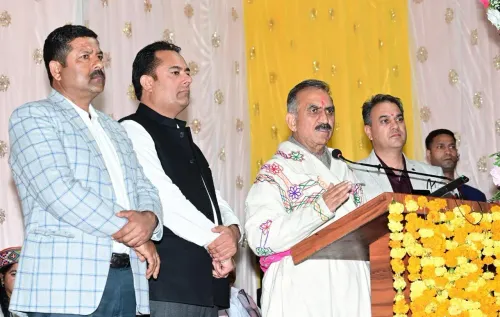
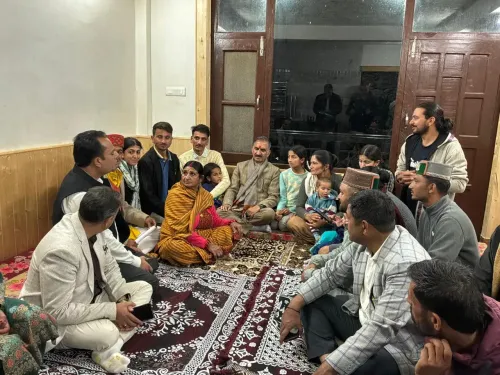
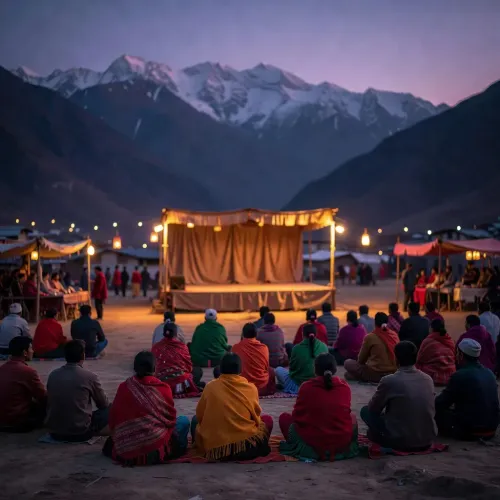
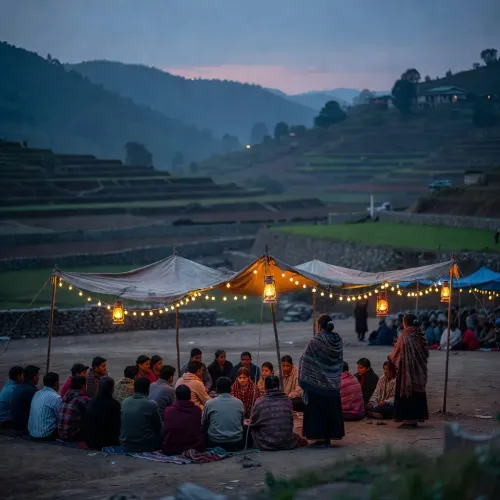
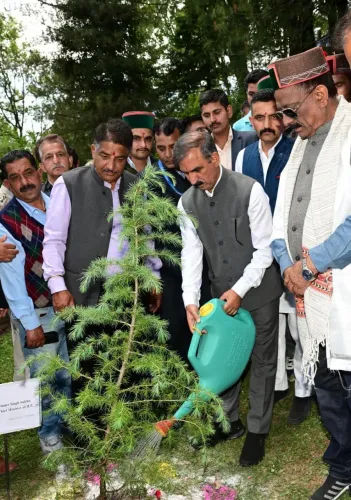
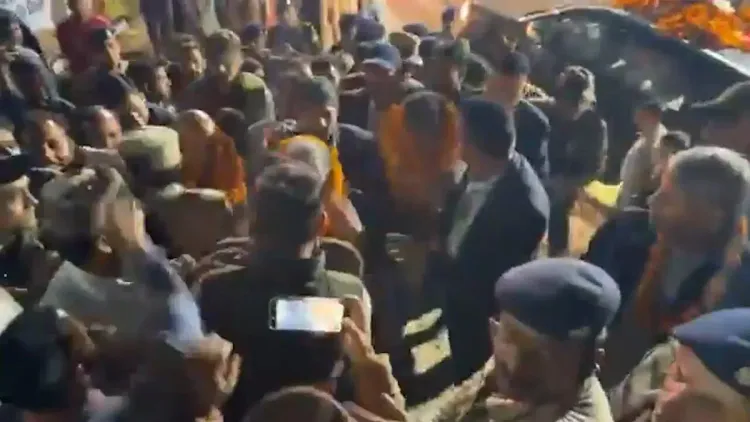
A warm crowd of brothers, sisters, and young villagers greeted Chief Minister Thakur Sukhvinder Singh Sukhu when he arrived at their doorstep under Himachal Pradesh's 'Sarkar Gaon Ke Dwar' (Government at the Village's Door) outreach programme — and the Chief Minister's Office said the reception 'truly touched the heart.'
The Chief Minister's Office of Himachal Pradesh posted on 5 November 2026, quoting CM Sukhu directly: 'सरकार गाँव के द्वार' ('Government at the Village's Door') had brought him face to face with villagers whose enthusiasm left a deep impression. 'From the heart, gratitude and thanks for this affection,' the Chief Minister said.
'Sarkar Gaon Ke Dwar' — taking governance off the desk and into the lane
'Sarkar Gaon Ke Dwar' is a Himachal Pradesh government initiative designed to bring state administration directly to rural communities — cutting through the gap between district offices and the people they serve. The programme places officials and elected representatives in villages for direct citizen engagement and on-the-spot grievance redressal, a model that multiple Indian states have experimented with across the past decade and a half.
For a hilly, geographically dispersed state like Himachal Pradesh, where remote hamlets can sit hours from the nearest block office, the logic of the scheme is especially pointed. Residents do not travel to the government; the government travels to them.
Sukhu's approach to rural contact since December 2022
Thakur Sukhvinder Singh Sukhu has served as Chief Minister since December 2022, when the Indian National Congress returned to power in the state. Direct public contact — village visits, open darbars, outreach camps — has been a consistent feature of his administration's communication style, fitting a broader pattern among chief ministers who use such programmes to both resolve local grievances and maintain political visibility in rural constituencies.
The warmth of the reception noted in today's post — specifically the participation of youth alongside older residents — signals that these village-level interactions carry an energy beyond routine administration. Young people showing up and showing enthusiasm at a government outreach event is a detail worth watching: it speaks to whether rural governance programmes land as genuine engagement or as ritual.
What happens next — whether the issues raised during this visit translate into concrete follow-up action — will be the real measure of the programme's weight on the ground.
Point of View
It is a political necessity. The specific call-out of youth participation is worth noting: if young villagers are turning up enthusiastically, it suggests the programme has traction beyond performative optics. The harder test, as always, is whether the complaints logged during these visits see any resolution.
NationPress
5 Nov 2026
Frequently Asked Questions
What is the 'Sarkar Gaon Ke Dwar' programme in Himachal Pradesh?
'Sarkar Gaon Ke Dwar' (Government at the Village's Door) is a Himachal Pradesh government initiative that takes state officials and elected representatives directly to villages for citizen engagement and grievance redressal, reducing the need for rural residents to travel to government offices.
Who is CM Sukhvinder Singh Sukhu?
Thakur Sukhvinder Singh Sukhu is the Chief Minister of Himachal Pradesh, serving since December 2022 as a member of the Indian National Congress .
When did CM Sukhu visit the village under this programme?
The Chief Minister's Office of Himachal Pradesh posted about the visit on 5 November 2026 ; the exact village visited was not specified in the official post.
What is the purpose of village outreach programmes run by Indian state governments?
These programmes aim to bridge the gap between district-level administration and remote rural populations by bringing government services, grievance redressal, and direct citizen contact to village doorsteps — a model adopted by several Indian states since the 2010s.
What will determine the success of CM Sukhu's village visits?
The key measure will be whether grievances and issues raised by villagers during these visits result in concrete follow-up action and local development outcomes, rather than remaining unaddressed after the visit concludes.