CM Sukhu Engages Panchayat Reps on Village Priorities
Synopsis
Chief Minister Sukhvinder Singh Sukhu engaged elected panchayat representatives on June 7, 2026, to understand rural challenges and village priorities, reaffirming the Himachal Pradesh government's commitment to building empowered, self-reliant local bodies.
Key Takeaways
Chief Minister Sukhu held a direct dialogue with elected panchayat representatives on June 7, 2026 .
The engagement focused on grassroots challenges, village development priorities, and ground-level governance gaps.
The CMO stated the government is committed to making panchayats 'empowered and self-reliant' ( sashakt aur aatmnirbhar ).
Himachal Pradesh has roughly 3,615 gram panchayats operating under the HP Panchayati Raj Act, 1994 .
The constitutional basis for panchayati raj is the 73rd Amendment of 1992 , which mandated devolution of powers and regular local elections.
Any follow-up legislative or budgetary action in the next assembly session will indicate whether the dialogue produces policy outcomes.
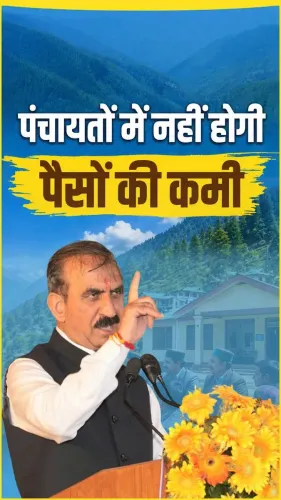
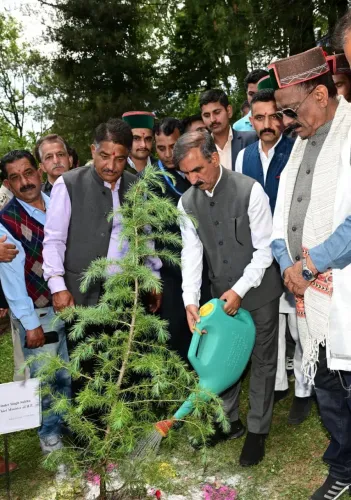
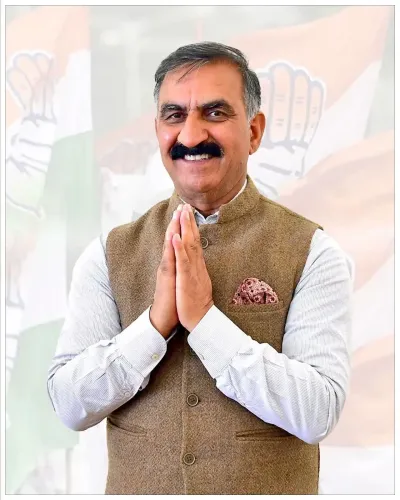
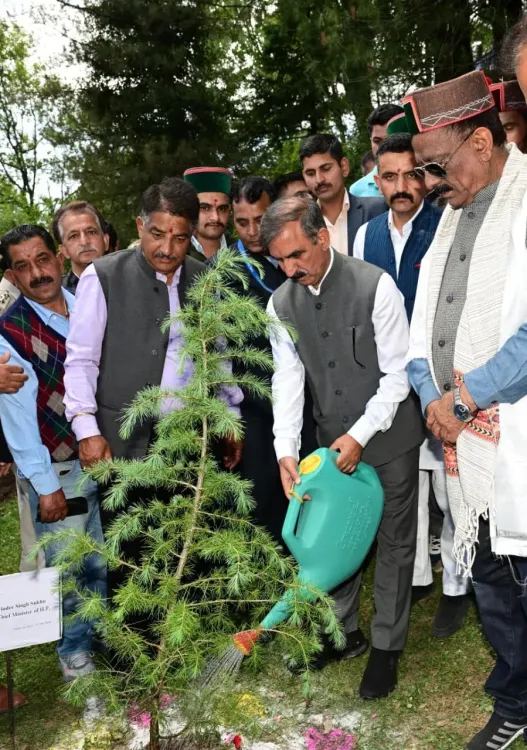
The Chief Minister's Office of Himachal Pradesh announced on Sunday, June 7, 2026, that Chief Minister Sukhvinder Singh Sukhu held a direct dialogue with elected panchayat representatives to understand grassroots challenges, village priorities, and ground-level development needs across the state.
Posting on X, the CMO quoted the Chief Minister: 'गाँवों की ताकत हमारी पंचायतें हैं' ('The strength of our villages lies in our panchayats'), adding that the Himachal Pradesh government is committed to making panchayats empowered and self-reliant.
Context
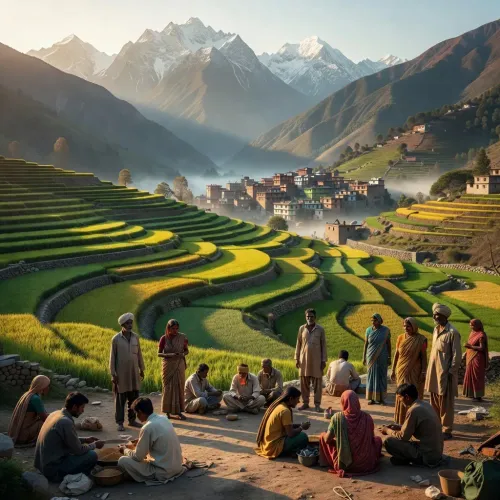
Himachal Pradesh is a predominantly rural, mountainous state where dispersed hill settlements make last-mile governance a persistent challenge. Elected gram panchayat representatives are often the first — and sometimes only — institutional point of contact for villagers seeking access to roads, water, health services, and education. Sunday's engagement was framed as a listening exercise: the Chief Minister sought to hear directly from representatives about the obstacles they face and the priorities their communities have set. The dialogue comes at a time when the Sukhu government, in power since December 2022, has repeatedly signalled intent to deepen decentralisation and reduce dependence on state-level bureaucracy for routine rural service delivery.Policy Backdrop
India's panchayati raj framework rests on the 73rd Constitutional Amendment Act of 1992, which gave constitutional status to three-tier rural local bodies — gram panchayat, panchayat samiti, and zila parishad — and mandated regular elections and devolution of powers. Himachal Pradesh operationalised this framework through the Himachal Pradesh Panchayati Raj Act, 1994, establishing the state's own three-tier structure. Periodic State Finance Commission recommendations govern how funds are devolved to panchayats. Across India, the extent of financial and functional autonomy actually transferred to local bodies has varied widely by state, and strengthening that devolution remains an active policy debate. For a hill state like Himachal Pradesh — where geography fragments communities and centralised delivery is expensive — robust panchayat capacity is not merely a governance ideal but a practical necessity.Stakeholders and Impact
The most direct beneficiaries of any strengthened panchayat framework are the rural communities of Himachal Pradesh, who depend on gram panchayats for basic infrastructure and welfare scheme implementation. Elected panchayat representatives — many of them women, given mandatory reservation under the 73rd Amendment — carry the dual burden of community expectations and limited fiscal resources. For the Sukhu administration, the dialogue serves a political as well as administrative purpose: demonstrating responsiveness to grassroots voices and building a feedback loop between Shimla and the state's roughly 3,615 gram panchayats. Strengthened panchayats can also reduce pressure on state departments by handling local planning and execution more independently.What's Next
Attention will now turn to whether Sunday's consultations translate into concrete legislative or budgetary action — particularly any revision to the state Panchayati Raj Act or an enhanced devolution package in the next assembly session. The next round of panchayat elections in the state will also test whether the government's stated commitment to panchayat empowerment has produced measurable improvements in local capacity and resources. A follow-up policy announcement or a dedicated rural governance package would be the clearest signal that this dialogue was more than symbolic outreach.Point of View
But the real test lies in whether the state follows through with enhanced fund transfers or legislative reform. For a hill state where terrain makes centralised delivery costly, meaningful panchayat empowerment is both good politics and sound administration. Stakeholders will watch the next assembly session closely for concrete measures.
NationPress
23 Oct 2026
Frequently Asked Questions
What did CM Sukhu discuss with panchayat representatives on June 7 2026?
Chief Minister Sukhvinder Singh Sukhu met elected panchayat representatives to understand the challenges they face, village development priorities, and ground-level governance needs, reaffirming the government's commitment to empowering local bodies.
How many gram panchayats does Himachal Pradesh have?
Himachal Pradesh has approximately 3,615 gram panchayats operating under the three-tier panchayati raj system established by the HP Panchayati Raj Act, 1994.
What is the constitutional basis for panchayati raj in India?
The 73rd Constitutional Amendment Act of 1992 gave constitutional status to panchayati raj institutions, mandating regular elections, reservation of seats, and devolution of powers and funds to local bodies.
What does panchayat empowerment mean in Himachal Pradesh?
Panchayat empowerment in Himachal Pradesh refers to increasing the financial resources, functional authority, and administrative capacity of gram panchayats so they can independently plan and deliver services to remote rural communities.
When did Sukhvinder Singh Sukhu become Chief Minister of Himachal Pradesh?
Sukhvinder Singh Sukhu became Chief Minister of Himachal Pradesh in December 2022 after the Congress party won the state assembly elections.