CM Sukhu meets panchayat reps, reaffirms rural empowerment push
Synopsis
Himachal Pradesh Chief Minister Sukhvinder Singh Sukhu on 7 June 2026 engaged directly with elected panchayat representatives to understand village-level challenges and development priorities, pledging to make panchayats self-reliant and ensure welfare schemes reach every citizen. He also joined a tree-plantation drive the same day.
Key Takeaways
CM Sukhvinder Singh Sukhu held a dialogue with elected panchayat representatives on 7 June 2026 to understand grassroots challenges and village priorities.
He reaffirmed the Himachal Pradesh government's commitment to making panchayats 'empowered and self-reliant' and ensuring scheme benefits reach the last person.
The engagement is rooted in the 73rd Constitutional Amendment of 1992 and the Himachal Pradesh Panchayati Raj Act, 1994 , which mandate devolution of power to local bodies.
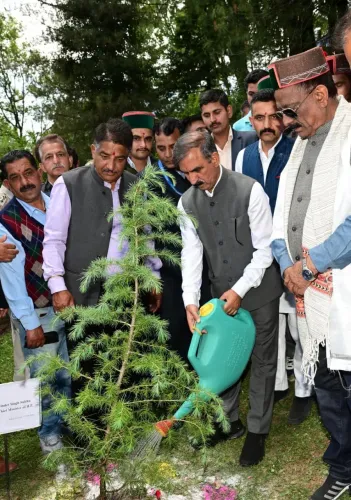
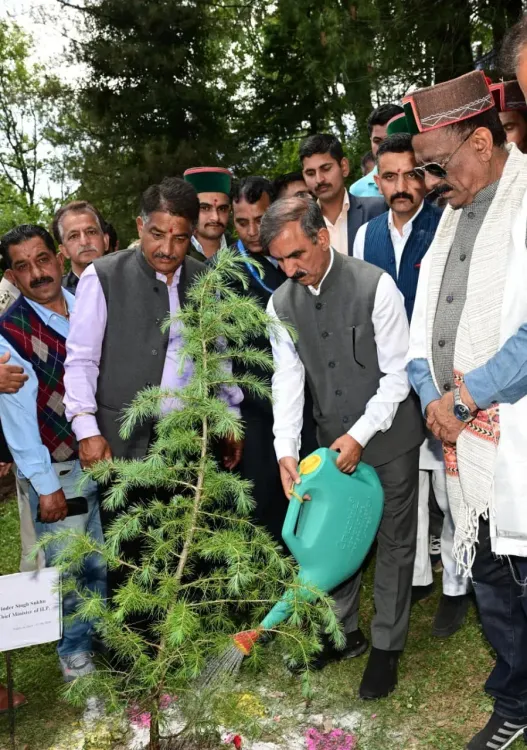
Sukhu also participated in a tree-plantation programme on the same day, integrating environmental conservation into the rural-governance agenda.
Policy watchers are now looking for concrete follow-up measures such as revised untied grants, capacity-building guidelines, or expanded afforestation targets for panchayats.
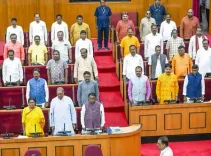
Himachal Pradesh Chief Minister Sukhvinder Singh Sukhu on Sunday, 7 June 2026, held a direct dialogue with elected panchayat representatives, listening to their challenges and village-level development priorities, and later participated in a tree-plantation drive to renew his commitment to environmental conservation.
Context
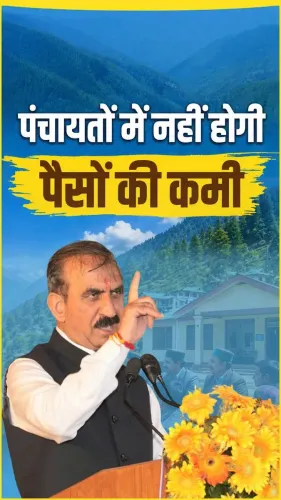
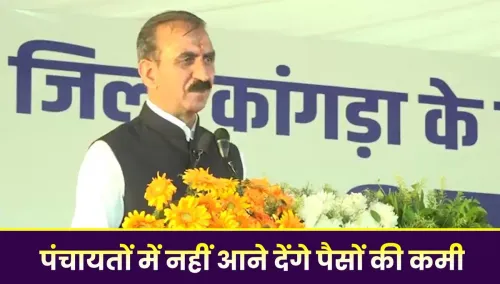
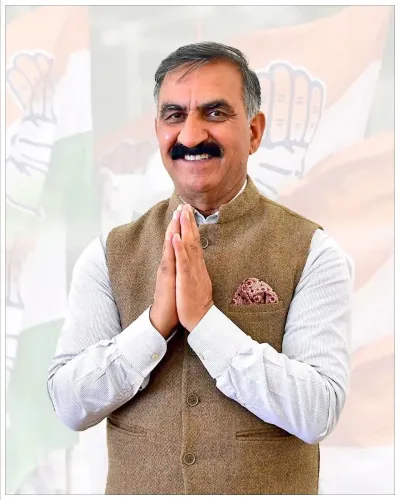
Posting on X in Hindi, CM Sukhu described the interaction as an effort to understand grassroots realities firsthand. 'गाँवों की ताकत हमारी पंचायतें हैं' ('The strength of our villages is our panchayats'), he wrote, adding that the session helped him grasp 'the challenges of elected representatives, the priorities of villages, and ground-level development.' The post was accompanied by four images from the engagement.
Sukhu has represented the Nadaun assembly constituency and has led the Indian National Congress government in Himachal Pradesh since December 2022. Meetings with panchayat leaders have been a recurring feature of his outreach calendar, reflecting the party's stated emphasis on decentralised governance.
Policy Backdrop
Panchayati Raj Institutions in India draw their constitutional mandate from the 73rd Constitutional Amendment of 1992, which required states to establish a three-tier local self-government structure for rural areas. Himachal Pradesh codified this framework through the Himachal Pradesh Panchayati Raj Act, 1994, which has since been amended multiple times to expand the devolution of functions and funds to village bodies.
The Chief Minister reiterated that the state government is 'committed to making panchayats empowered and self-reliant' and that its aim is to ensure 'the benefits of schemes reach the last person.' This language aligns with a long-standing national policy direction of pushing welfare delivery through local bodies rather than centralised bureaucracies.
Environmental components have increasingly been woven into panchayat-level planning across Indian states. National programmes such as MGNREGA and various state-level green missions provide frameworks under which afforestation activities are organised at the village level. Sukhu's participation in a tree-plantation programme on the same day underscores this integrated approach.
Stakeholders and Impact
The primary stakeholders are the elected panchayat representatives across Himachal Pradesh — a hilly northern state where geographic remoteness makes last-mile delivery of government schemes a persistent challenge. Rural communities in the state depend heavily on panchayat bodies for the execution of welfare programmes ranging from road connectivity to drinking water supply.
Greater fiscal devolution and capacity-building for local bodies, if translated into concrete policy steps following such consultations, would directly affect the pace and quality of development spending at the village level. Environmental programmes tied to panchayats also carry implications for the state's forest cover and ecological resilience, both of which are critical in a mountain state prone to landslides and water stress.
What's Next
Attention will now focus on whether the Himachal Pradesh government follows the dialogue with specific announcements — such as revised untied grant norms, new capacity-building guidelines for panchayat functionaries, or expanded green-mission targets. The schedule of the next panchayat elections in the state will also be a key marker of how the administration's rural-governance agenda is received on the ground. Observers will watch for budget allocations and policy circulars that give legislative or financial weight to the commitments articulated in today's outreach.
Point of View
Positioning the party as more accessible to rural elected bodies than its predecessors. Pairing the dialogue with a tree-plantation event reflects a broader national trend of bundling environmental mandates with local-body empowerment, giving the administration two political narratives for the price of one field visit. The emphasis on 'last-mile delivery' echoes a policy vocabulary that has gained traction across party lines, suggesting Sukhu is calibrating his messaging for both rural voters and central-government evaluation frameworks. Whether the optics translate into measurable fiscal or administrative changes for panchayats will determine the long-term credibility of this outreach.
NationPress
20 Sept 2026
Frequently Asked Questions
Why did CM Sukhu meet panchayat representatives on 7 June 2026?
CM Sukhvinder Singh Sukhu met elected panchayat representatives to understand the challenges they face, the development priorities of their villages, and how ground-level implementation of government schemes can be improved.
What is the Himachal Pradesh government's policy on panchayat empowerment?
The Himachal Pradesh government has committed to making panchayats empowered and self-reliant, with a stated goal of ensuring the benefits of welfare schemes reach every citizen, drawing on the framework of the Himachal Pradesh Panchayati Raj Act, 1994.
What is the significance of the 73rd Constitutional Amendment for panchayats?
The 73rd Constitutional Amendment of 1992 mandated all Indian states to establish a three-tier Panchayati Raj system, devolving planning and development functions to the village level and forming the constitutional backbone of rural local governance.
What did CM Sukhu say about tree plantation?
CM Sukhu participated in a tree-plantation programme on the same day as the panchayat dialogue, stating that he renewed his resolve towards environmental conservation through this participation.
What should we watch for after CM Sukhu's panchayat outreach?
Key things to watch include any new policy announcements on untied grants or capacity-building for panchayat functionaries, expanded state afforestation targets, and the schedule of the next panchayat elections in Himachal Pradesh.