CM Sukhu Takes 'Sarkar Gaon Ke Dwar' to Chamba's Churah
Synopsis
Chief Minister Sukhvinder Singh Sukhu visited Churah in Chamba district under the 'Sarkar Gaon Ke Dwar' programme, engaging villagers on grievances, solar energy self-employment, homestay tourism, and an upcoming family welfare scheme offering monthly cash, free electricity, and health cover.
Key Takeaways
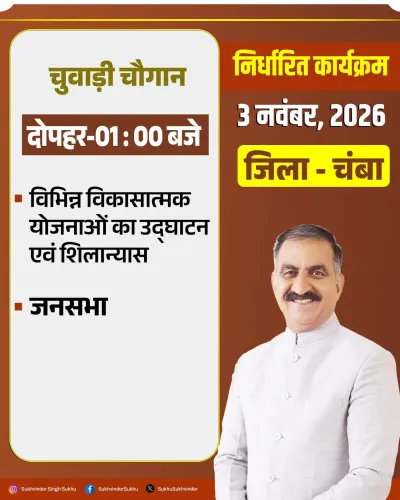
CM Sukhu visited Churah, Chamba district on November 4, 2026 under the 'Sarkar Gaon Ke Dwar' outreach programme.
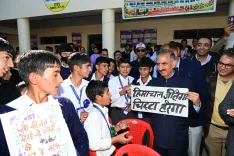
Officials were directed to resolve local grievances on a priority basis after direct interaction with women's groups and youth associations.
The Rajiv Gandhi Start-up Swarozgar Solar Energy Yojana offers 100 kW to 2 MW solar installations on private land with interest subsidies of 5% (tribal areas) and 4% (non-tribal areas).
An upcoming Mukhyamantri Ka Apna Parivar Sukhi Parivar Yojana will provide ₹1,500/month , 300 units free electricity , and free health insurance to beneficiary families.
182 women in Bairagarh are already receiving ₹1,500 per month under state assistance.
Homestay-based tourism was promoted as a direct self-employment pathway for rural families in hill communities.
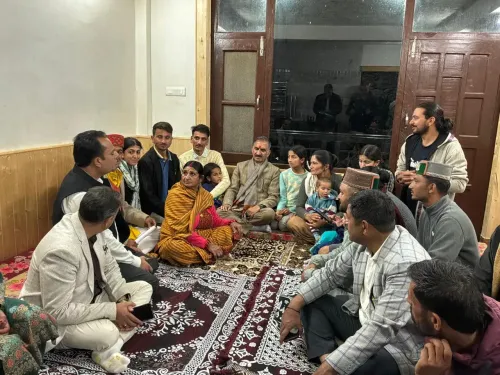
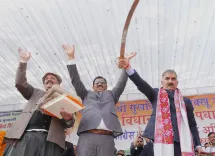
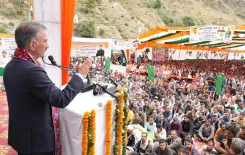
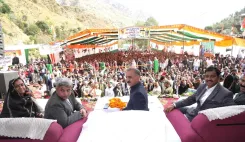
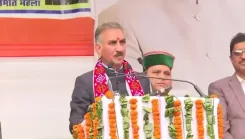
In the remote hills of Churah, Chamba district, Himachal Pradesh Chief Minister Sukhvinder Singh Sukhu sat down with villagers, women's collectives, and youth groups on Wednesday, November 4 — listening to grievances, explaining schemes, and directing officials to act. This is governance at the last mile, and Sukhu is making it his signature.
What 'Sarkar Gaon Ke Dwar' Does in Churah
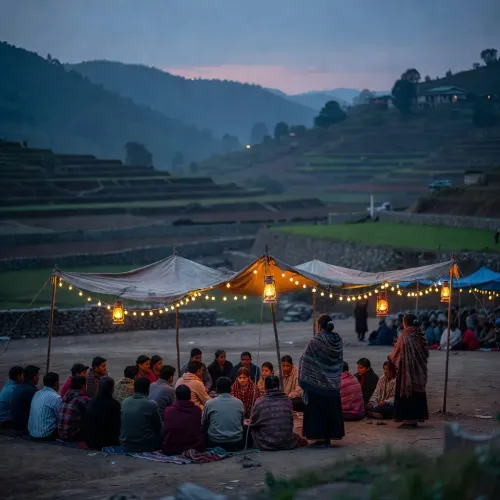
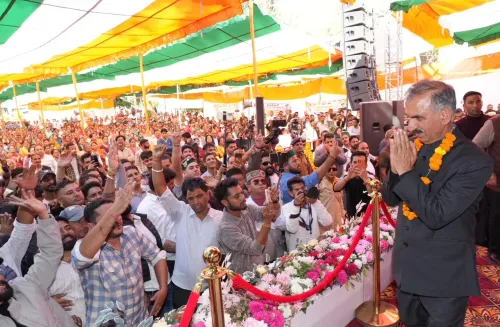
The Sarkar Gaon Ke Dwar ('Government at the Village Doorstep') outreach programme brought the administration directly to rural residents in Chamba — one of Himachal Pradesh's most geographically isolated districts. Local women's groups (mahila mandals) and youth associations (yuvak mandals) aired their concerns in person, with the Chief Minister instructing relevant officials to resolve issues on a priority basis. The format is deliberate: bypassing bureaucratic layers to close the feedback loop between citizen and state.
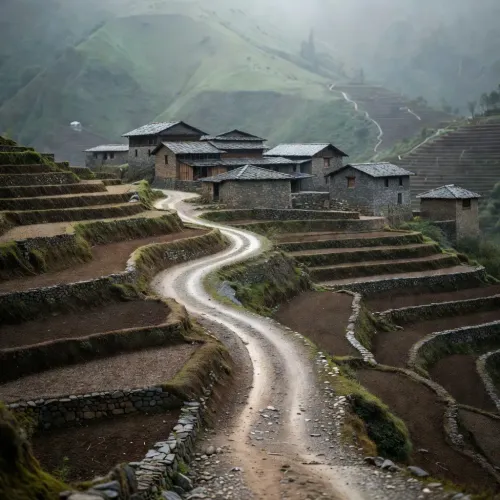
Chamba carries a significant tribal population, and the choice of Churah — deep inside the district — signals an intent to reach constituencies that rarely see senior leadership in person. Himachal Pradesh governments have run successive rural outreach programmes since at least the 2010s, but the cadence and direct involvement of the Chief Minister add political weight to the exercise.
Solar Energy and Homestays as the Self-Reliance Engine
Sukhu used the gathering to promote two livelihood pathways. The first: homestay-based tourism, where rural families open their homes to visitors and earn directly from Himachal's growing tourism economy. The second, and more structural: the Rajiv Gandhi Start-up Swarozgar Solar Energy Yojana, which allows installation of solar panels ranging from 100 kilowatts to 2 megawatts on private land.
The interest subsidy structure is tiered by geography — 5 percent for tribal areas, 4 percent for non-tribal areas — recognising the higher costs and logistical complexity of operating in hill terrain. Decentralised solar generation on this scale can simultaneously cut household energy costs and generate grid-connected income, a model well-suited to ecologically sensitive zones where large industrial investments are restricted.
A New Family Welfare Package: 'Mukhyamantri Ka Apna Parivar Sukhi Parivar Yojana'
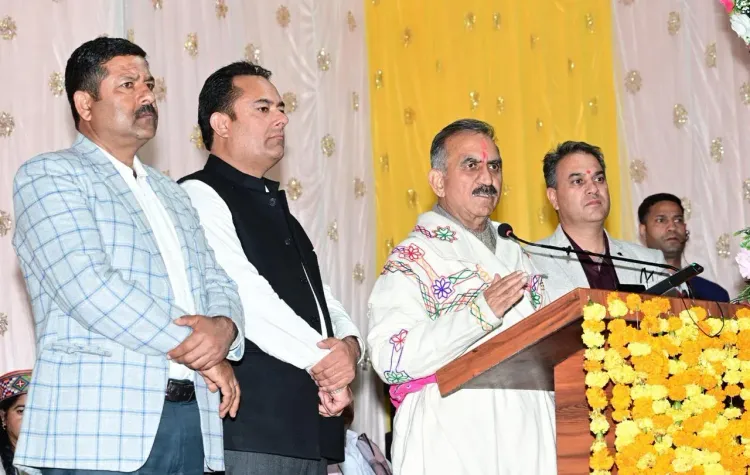
The headline announcement was an upcoming state welfare scheme — Mukhyamantri Ka Apna Parivar Sukhi Parivar Yojana — structured around three direct benefits: a monthly cash transfer of ₹1,500, 300 units of free electricity per month, and free medical care through a health insurance card. The scheme has not yet launched formally, but Sukhu outlined its contours to the assembled villagers.
Separately, 182 women from Bairagarh were cited as beneficiaries already receiving ₹1,500 per month under the state's assistance framework — a concrete number grounding the broader promise in lived reality. The cash-plus-subsidy architecture mirrors a wider national trend of layering direct benefit transfers with targeted energy and health subsidies, particularly for tribal and hill communities.
Chamba as a Test Case for Mountain Governance
The convergence of outreach, solar incentives, tourism promotion, and a family welfare package in a single district event reflects a governance bet: that sustained, in-person delivery of multiple scheme benefits in one go accelerates uptake more than any single policy announcement from Shimla. Whether beneficiary registrations and solar project approvals follow through in Chamba in the coming months will be the real measure of the programme's reach.
For now, Sukhu has staked his brand on the idea that the government must travel to the governed — not the other way around.
Point of View
Where single-sector interventions often fall short. The tiered solar subsidy acknowledges the cost disadvantage tribal areas face, though the scheme's real test will come when beneficiary registrations and project approvals are audited. For Sukhu personally, consistent grassroots outreach builds a Chief Ministerial identity distinct from Shimla's corridors — a deliberate contrast that serves both governance and political brand.
NationPress
5 Nov 2026
Frequently Asked Questions
What is 'Sarkar Gaon Ke Dwar' in Himachal Pradesh?
'Sarkar Gaon Ke Dwar' is a Himachal Pradesh government outreach programme where senior officials and the Chief Minister visit villages directly to hear residents' grievances, deliver scheme information, and direct officials to resolve local problems on the spot.
What benefits does the Mukhyamantri Ka Apna Parivar Sukhi Parivar Yojana offer?
The scheme, announced by CM Sukhu, is set to offer ₹1,500 per month in cash assistance, 300 units of free electricity per month, and free medical treatment through a health insurance card for beneficiary families in Himachal Pradesh.
What is the Rajiv Gandhi Start-up Swarozgar Solar Energy Yojana?
It is a Himachal Pradesh scheme allowing individuals to install solar panels ranging from 100 kW to 2 MW on their private land, with an interest subsidy of 5% in tribal areas and 4% in non-tribal areas to promote renewable energy-based self-employment.
Why did CM Sukhu visit Chamba's Churah area?
CM Sukhvinder Singh Sukhu visited Churah in Chamba district on November 4, 2026, under the 'Sarkar Gaon Ke Dwar' programme to interact with local communities, listen to grievances, and promote state welfare and self-employment schemes directly in a remote, tribal-majority region.
How many women in Bairagarh are getting ₹1,500 monthly assistance?
According to CM Sukhu's statement, 182 women from Bairagarh are benefiting from ₹1,500 per month in state financial assistance.