HP CM addresses Bharmour rally, highlights orphan welfare scheme
Synopsis
The Himachal Pradesh Chief Minister held a large public meeting at Lilh Kothi in Bharmour, Chamba on 5 November 2026, announcing the 'Children of the State' scheme for orphans and highlighting robotic surgery capabilities at state medical colleges as part of the government's welfare outreach.
Key Takeaways
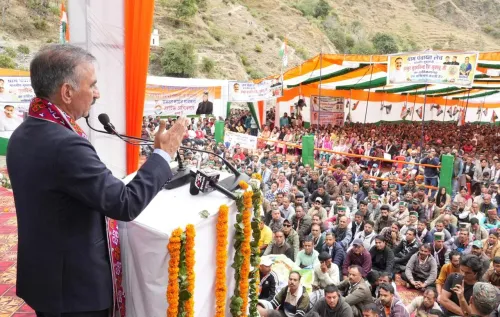
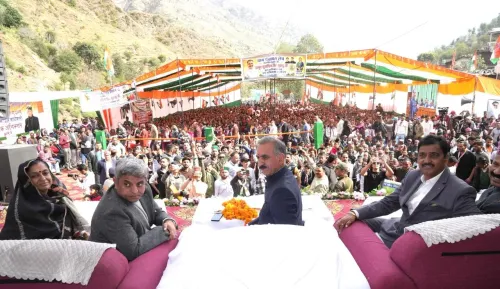
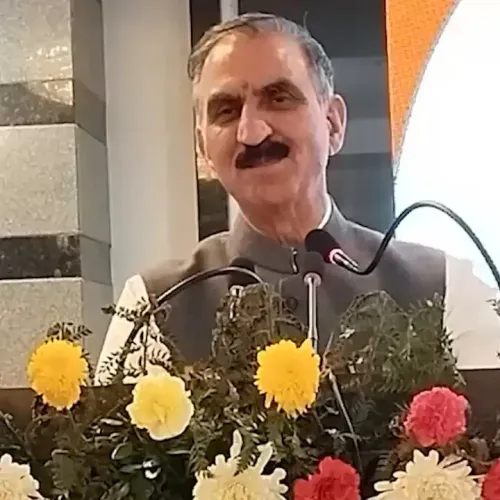
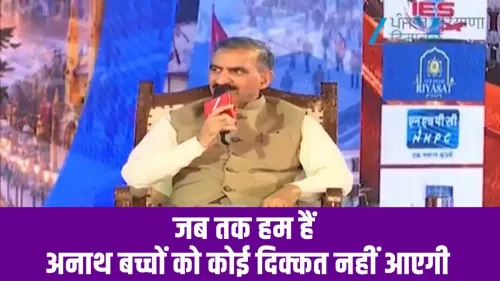
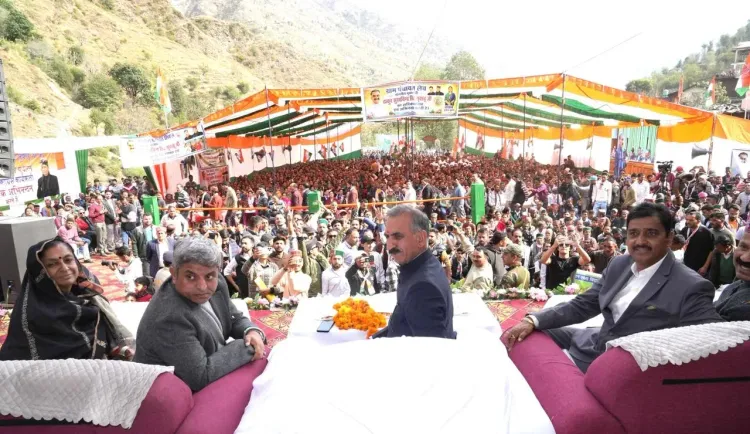
The Chief Minister addressed a large public rally at Lilh Kothi, Bharmour in Chamba district on 5 November 2026 .
The 'Children of the State' scheme grants orphan children official government guardianship equivalent to parental protection.
The state government highlighted the introduction of robotic surgery in Himachal Pradesh's medical colleges as a health-infrastructure milestone.
Bharmour is a tribal sub-division of Chamba district, making direct welfare outreach here especially significant for remote communities.
District-level public meetings are a core delivery mechanism used by the HP government to communicate welfare schemes to remote populations.
In the high-altitude tribal belt of Chamba district, the government came to the people. On Thursday, 5 November 2026, the Chief Minister's Office of Himachal Pradesh announced that the Chief Minister had addressed a large public gathering at Lilh Kothi in Bharmour, sharing details of the state government's welfare programmes with residents of one of Himachal Pradesh's most remote tribal sub-divisions.
Children of the State: orphans gain a government guardian
The centrepiece of the address was the 'Children of the State' scheme — a state initiative that grants orphan children an official status entitling them to guardianship and protection comparable to parental care. By formalising the state's responsibility toward children who have lost both parents, Himachal Pradesh positions the government itself as a legal and social guardian, unlocking institutional support that would otherwise be unavailable to these children.
The scheme represents a structural shift in child-welfare delivery: rather than routing support through ad-hoc relief, the status embeds entitlements directly into the child's official record. For families and communities in tribal areas like Bharmour, where economic vulnerability is acute, the announcement carries immediate practical weight.
Robotic surgery comes to HP's medical colleges
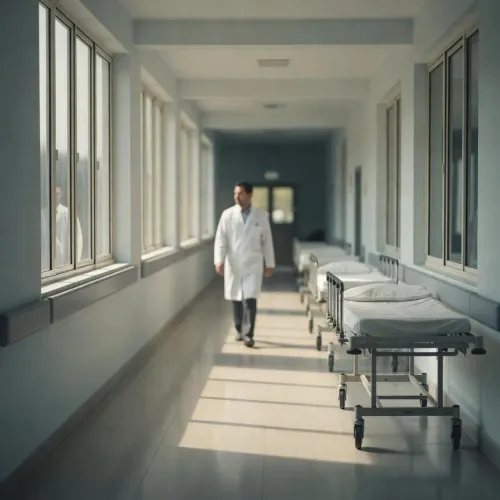
The Chief Minister also highlighted the introduction of robotic surgery in state medical colleges — a signal that Himachal Pradesh is pushing its public-health infrastructure beyond basic care into precision medicine. While the post's text was cut short mid-sentence, the mention of robotic surgical capability at government colleges points to a broader health-infrastructure upgrade that the administration is showcasing to district-level audiences.
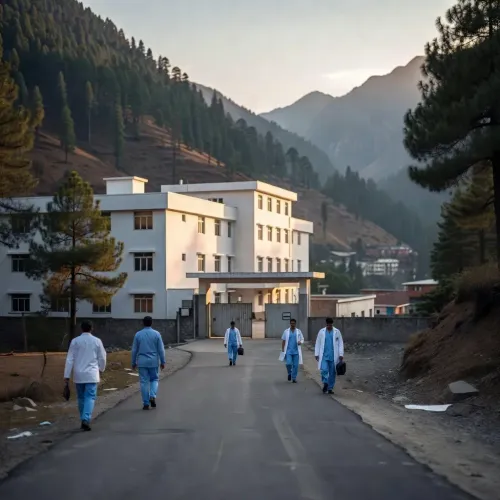
Bharmour, a tribal sub-division, has historically depended on referrals to larger centres for advanced medical treatment. Flagging technology-driven upgrades at state colleges directly to this audience underscores the government's intent to make the pitch for equitable access to high-end healthcare.
Why Bharmour — and why now
District-level janasabhas (public meetings) are a standard mechanism in Himachal Pradesh's governance calendar, used to close the information gap between Shimla-based policy and remote communities. Bharmour's demographic — predominantly Gaddi tribal communities, sparse connectivity, and difficult terrain — makes direct outreach especially significant. The choice of Lilh Kothi as the venue suggests a deliberate push into areas where welfare delivery is hardest to verify on the ground.
Taken together, the two planks — orphan guardianship and advanced surgical access — paint a government trying to demonstrate both social compassion and modern competence to a constituency that has often felt peripheral to the state's development story.
The question now is follow-through: how many children have already received the 'Children of the State' status, and when will robotic surgery units become operational across all state medical colleges? Those numbers will determine whether Bharmour's applause translates into lasting change.
Point of View
The Himachal Pradesh government is signalling that its welfare agenda is not just a Shimla talking point but a ground-level commitment. The 'Children of the State' scheme is a structurally ambitious move — institutionalising state guardianship is far harder to reverse than a one-time cash transfer, and its announcement in a remote tribal belt carries deliberate political symbolism. Pairing it with robotic surgery messaging suggests a dual strategy: compassion and competence, targeted at a constituency that has historically felt overlooked. Whether the administration can convert rally momentum into verifiable delivery numbers will be the real test of this outreach.
NationPress
5 Nov 2026
Frequently Asked Questions
What is the 'Children of the State' scheme in Himachal Pradesh?
'Children of the State' is a Himachal Pradesh government initiative that grants official status to orphan children, providing them government guardianship and protection comparable to parental care, thereby unlocking institutional support and entitlements.
Where is Bharmour located in Himachal Pradesh?
Bharmour is a tribal sub-division within Chamba district in northern Himachal Pradesh, known for its predominantly Gaddi tribal communities and remote, high-altitude terrain.
What welfare programmes were announced at the Chamba rally on 5 November 2026?
The Chief Minister highlighted the 'Children of the State' scheme for orphans and the introduction of robotic surgery facilities at state medical colleges during the public meeting at Lilh Kothi, Bharmour.
Which Himachal Pradesh district includes the Bharmour tribal area?
Bharmour falls within Chamba district, one of the northern districts of Himachal Pradesh that encompasses several tribal sub-divisions.
Does Himachal Pradesh have robotic surgery in government hospitals?
The Chief Minister's address at Bharmour referenced the introduction of robotic surgery in Himachal Pradesh's state medical colleges as part of the government's healthcare infrastructure upgrades, though full operational details across all colleges are yet to be confirmed.