Egypt train collision death toll rises to 7, over 112 injured in Giza
Synopsis
Two trains collided on a busy Egyptian rail corridor in Giza on Sunday, killing at least 7 and injuring 112. With President Sisi ordering a swift investigation and Egypt's railways carrying a troubled history — including a 2002 fire that killed over 380 — the crash renews urgent questions about whether the country's ageing rail network can be reformed before the next disaster.
Key Takeaways
A two-train collision in Giza governorate, Egypt on Sunday, 9 November 2026 killed at least 7 people and injured 112 others .
The crash occurred between Kafr Ammar and Al-Raqqa stations when a Giza-Fayoum train struck the rear of a Cairo-Aswan train.
72 ambulances were deployed; 45 patients have been discharged and 7 more are expected to be released soon.
President Abdel Fattah El-Sisi ordered a swift investigation and vowed to hold those responsible for negligence accountable.
Egypt's deadliest rail disaster — a 2002 fire near Ayyat, Giza — killed over 380 people , highlighting the network's chronic safety record.
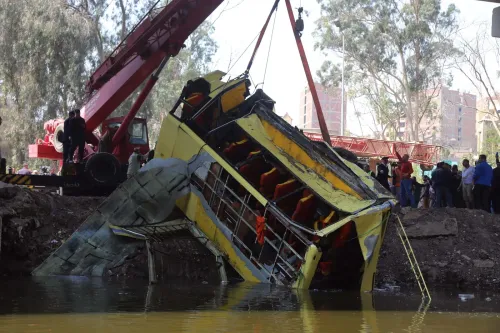
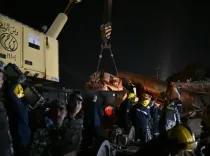
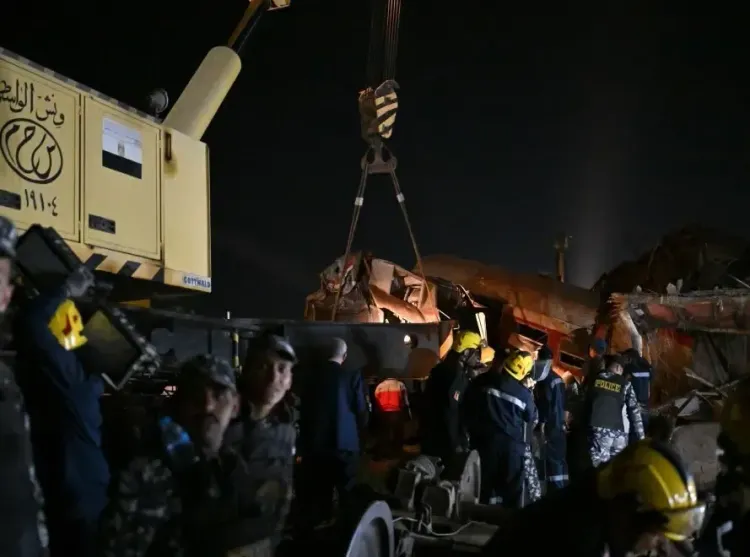
A collision between two trains in Egypt's Giza governorate on Sunday, 9 November 2026 has left at least 7 people dead and 112 others injured, according to Egypt's Ministry of Health and Population. The crash, which occurred on a busy intercity rail corridor, prompted a major emergency response involving dozens of ambulances and cranes deployed across the affected stretch.
How the Collision Happened
According to the Egyptian National Railways Authority, the accident took place between Kafr Ammar and Al-Raqqa stations when a train operating on the Giza-Fayoum route struck the rear of another train on the Cairo-Aswan route. Emergency teams and heavy cranes were dispatched swiftly to clear the site and move the remaining carriages, with authorities working to restore services in both directions as quickly as possible.
Medical Response and Treatment Update
The Ministry of Health said 72 ambulances participated in rescue and evacuation operations, transporting the injured to multiple hospitals across Giza and the nearby Beni Suef governorate. As of the latest update, 45 patients had been discharged after their conditions improved and they received the necessary treatment, while 7 others were expected to be discharged soon. The remaining injured continued to receive treatment under medical observation.
Health Minister Khaled Abdel Ghaffar ordered health facilities in both governorates to raise readiness levels and provide all necessary medical and emergency support to those affected.
President Sisi Vows Accountability
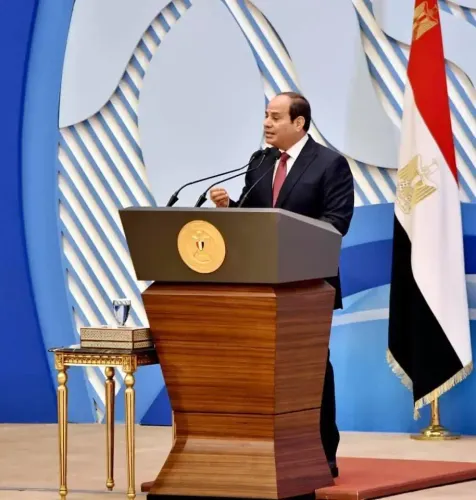
Egyptian President Abdel Fattah El-Sisi said on Facebook that he was closely following developments and extended his condolences to the families of the deceased, wishing the injured a speedy recovery. Sisi directed state agencies to provide medical care, conduct a swift investigation into the accident, and hold anyone found responsible for negligence accountable, according to the presidential statement.
A Railway System Under Strain
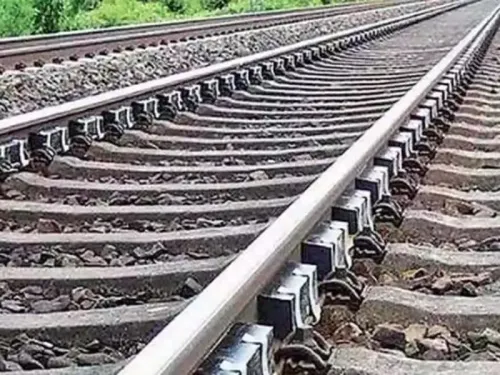
Sunday's crash is the latest in a long series of rail accidents that have plagued Egypt's transport network. The country's railway infrastructure has long faced criticism for outdated equipment and poor management, which observers say has contributed to a pattern of recurring accidents. Egypt's deadliest rail disaster remains the 2002 fire on a Cairo-Luxor train in Giza's Ayyat district, which killed over 380 people. This comes amid persistent calls from transport experts and civil society for a comprehensive overhaul of the national rail system, with investment in modernisation repeatedly cited as overdue.
As investigations get under way, attention will focus on whether systemic failures — including signalling gaps or crew errors — contributed to the latest tragedy, and whether authorities follow through on the accountability measures promised by the president.
Point of View
And periodic announcements of accountability after each crash have rarely translated into structural reform. President Sisi's directive to investigate is standard crisis protocol; what is missing is a credible, public modernisation timeline backed by ring-fenced capital. With the death toll still potentially rising and over 60 patients still hospitalised, the pressure on Cairo to do more than issue condolences is real — but history suggests the political will for genuine rail reform tends to dissipate as the news cycle moves on.
NationPress
9 Nov 2026
Frequently Asked Questions
What happened in the Egypt train collision on 9 November 2026?
Two trains collided between Kafr Ammar and Al-Raqqa stations in Giza governorate on Sunday, 9 November 2026, killing at least 7 people and injuring 112 others. A train on the Giza-Fayoum route struck the rear of a train on the Cairo-Aswan route, triggering a large-scale emergency response.
How many people were injured in the Giza train crash?
112 people were injured in the collision. Of these, 45 had been discharged after treatment and 7 more were expected to be released soon, while the remaining patients continued to receive care under medical observation.
What did Egyptian President Sisi say about the train accident?
President Abdel Fattah El-Sisi said on Facebook he was closely monitoring developments and extended condolences to the families of those killed. He directed state agencies to provide medical care, conduct a swift investigation, and hold anyone found responsible for negligence accountable.
What is the history of train accidents in Egypt?
Egypt's railway network has a long record of accidents attributed to outdated equipment and poor management. The country's deadliest rail disaster occurred in 2002, when a fire broke out on a Cairo-Luxor train in Giza's Ayyat district, killing over 380 people. Sunday's crash is among the latest in a recurring pattern.
What emergency measures were taken after the Egypt train crash?
The Ministry of Health deployed 72 ambulances for rescue and evacuation operations, transferring the injured to hospitals in Giza and Beni Suef. Health Minister Khaled Abdel Ghaffar ordered facilities in both governorates to raise readiness, while cranes were sent to clear the site and restore rail services.