Trump says Iran strikes 'highly unlikely' if nuclear talks progress
Synopsis
Trump declared renewed Iran strikes 'highly unlikely' in a CNN interview — but in the same breath described 38 bridges the US could destroy in an hour. With the Treasury simultaneously sanctioning eight Canada-based businesses over Iran crypto dealings, Washington is running a pressure-and-diplomacy dual track that has yet to produce a breakthrough after more than eight months of stalemate.
Key Takeaways
US President Donald Trump said on 9 November 2026 that renewed strikes on Iran were 'highly unlikely' if nuclear negotiations progressed.
Trump claimed the US could destroy 38 bridges in Iran in an hour and had identified infrastructure targets including power plants.
He said the Strait of Hormuz was reopening and declared, 'We've beaten Iran.' The US Treasury simultaneously sanctioned 8 Canada-based money services businesses under Operation Economic Outcast for helping Iran move funds via cryptocurrency.
Washington and Tehran remain at a diplomatic stalemate, with no significant progress more than eight months after US-Israel strikes on Iran.
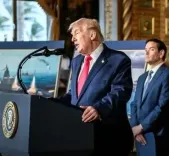
US President Donald Trump said on Sunday, 9 November 2026 that renewed military strikes on Iran were 'highly unlikely' as long as negotiations continued to make progress — but stopped short of ruling out further military action entirely. The remarks, made in a phone interview with CNN, came more than eight months after the United States and Israel launched strikes on Iran.
What Trump Said
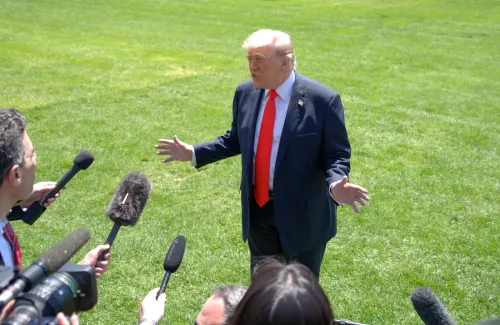
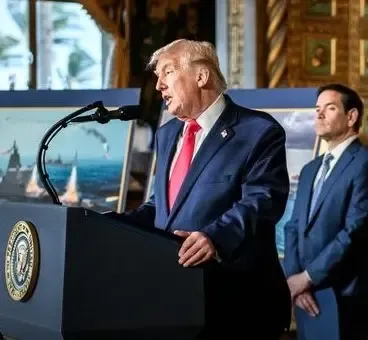
Speaking from the White House before departing, Trump told reporters, 'We're talking to Iran. We have been.' In the CNN interview, he framed the military situation as decisively favourable to Washington, claiming the US had already 'dealt a severe blow' to Iran and asserting, 'We've beaten Iran. We are doing very well with Iran.'
Trump linked the prospect of further strikes directly to the status of nuclear negotiations, saying: 'It depends on whether or not they sign a very strong agreement,' and reiterated, 'Most likely it will not be necessary. They want to make a deal so badly.' He also referenced the reopening of the Strait of Hormuz as a sign of strategic progress.
Infrastructure Targets and Military Claims
In a striking claim, Trump said the US had identified potential infrastructure targets inside Iran — including power plants and bridges — and stated that the country could destroy 38 bridges in an hour, according to reports. The president offered no independent verification for the assertion, and the remarks were characterised as part of his broader negotiating posture.
Sanctions Under Operation Economic Outcast
Trump's comments coincided with a US Treasury Department announcement imposing sanctions on eight Canada-based money services businesses under Operation Economic Outcast. The Treasury accused the companies of exchanging Iranian rials and other currencies for digital assets to facilitate international transactions involving Iran. Several of the firms reportedly dealt with sanctioned Iranian cryptocurrency exchanges or addresses linked to the Islamic Revolutionary Guard Corps (IRGC).
Earlier, the administration had also imposed sanctions on eight Canadian businesses accused of helping Tehran move money through cryptocurrency networks — indicating a parallel economic pressure campaign running alongside diplomatic outreach.
Diplomatic Stalemate Persists
Despite Trump's repeated signals that a deal is within reach, Washington and Tehran remain at a stalemate. More than eight months after the initial strikes, there has been little significant documented progress in diplomatic efforts. Trump's mixed signals — alternating between military bravado and openness to diplomacy — have become a defining feature of his Iran policy, drawing scrutiny from both allies and analysts tracking the region. This comes amid broader uncertainty over the future of the nuclear framework and the strategic importance of keeping the Strait of Hormuz open for global energy flows.
Point of View
Not a fallback. What's missing from this picture is any independent confirmation that talks are substantively advancing — Trump's claim that Iran 'wants to make a deal so badly' remains unverified and echoes similar assertions made earlier in his tenure that did not produce agreements. After eight months of stalemate, the gap between the president's confident framing and the documented diplomatic reality deserves closer scrutiny.
NationPress
9 Nov 2026
Frequently Asked Questions
What did Trump say about military strikes on Iran?
Trump said renewed military strikes on Iran were 'highly unlikely' as long as nuclear negotiations made progress, though he did not fully rule out further action. He made the remarks in a phone interview with CNN on 9 November 2026.
What is Operation Economic Outcast?
Operation Economic Outcast is a US Treasury Department sanctions programme under which eight Canada-based money services businesses were targeted on 9 November 2026 for allegedly helping Iran move money through cryptocurrency networks. The Treasury said several firms had links to sanctioned Iranian exchanges or addresses associated with the Islamic Revolutionary Guard Corps.
What conditions did Trump attach to avoiding further strikes?
Trump linked the prospect of no further military action to Iran signing what he called 'a very strong agreement,' specifically referencing Iran's nuclear programme and the reopening of the Strait of Hormuz.
How long has the US-Iran conflict been ongoing?
More than eight months had passed since the United States and Israel launched strikes on Iran as of Trump's 9 November 2026 remarks. Washington and Tehran are described as being at a stalemate, with little significant diplomatic progress in that period.
What infrastructure targets did Trump claim the US had identified in Iran?
Trump claimed the US had identified potential targets including power plants and bridges, and stated that the country could destroy 38 bridges in Iran within an hour. The claim was not independently verified.