Trump confirms US-Iran talks as sanctions hit 8 Canadian crypto firms
Synopsis
Trump confirmed active US-Iran diplomatic contacts on the same day Treasury sanctioned eight Canadian businesses for allegedly routing Iranian money through crypto networks under Operation Economic Outcast — a rare simultaneous display of dialogue and financial coercion that signals Washington's parallel-track strategy toward Tehran.
Key Takeaways
President Trump confirmed on 7 November 2026 that the US and Iran are in active diplomatic contact.
The US Treasury sanctioned eight Canada-based money services businesses under Operation Economic Outcast for allegedly helping Iran move funds via cryptocurrency.
Several businesses were allegedly linked to sanctioned Iranian cryptocurrency exchanges or IRGC -associated wallet addresses.
The operation was coordinated with FINTRAC , FinCEN , and the DEA .
Treasury also alleged that some firms handled drug proceeds linked to Canadian former Olympic snowboarder Ryan Wedding .
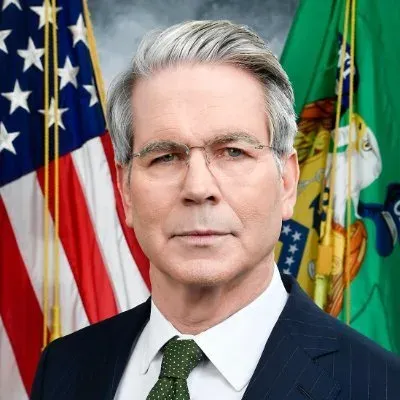
Treasury Secretary Scott Bessent vowed to pursue Iran's financial channels globally.
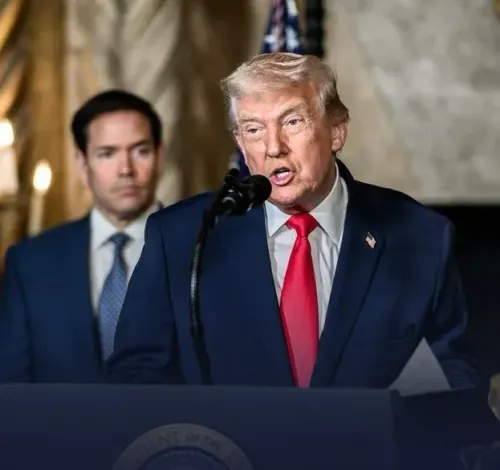
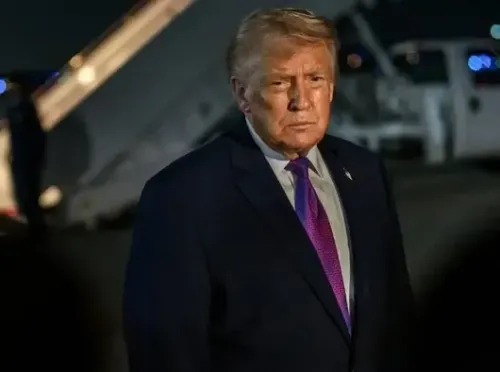
US President Donald Trump confirmed on 7 November 2026 that Washington is engaged in diplomatic contacts with Iran, even as his administration simultaneously imposed fresh sanctions on eight Canada-based money services businesses accused of helping Tehran move funds through cryptocurrency networks. The dual move — dialogue and economic pressure — underscores the administration's strategy of maintaining back-channel engagement while continuing its financial squeeze on the Islamic Republic.
What Trump Said
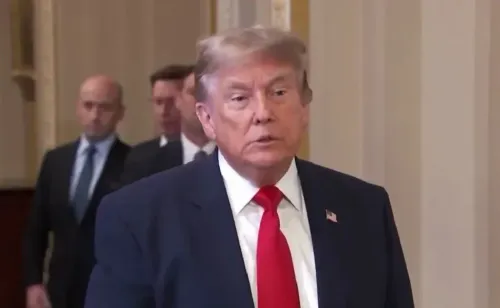
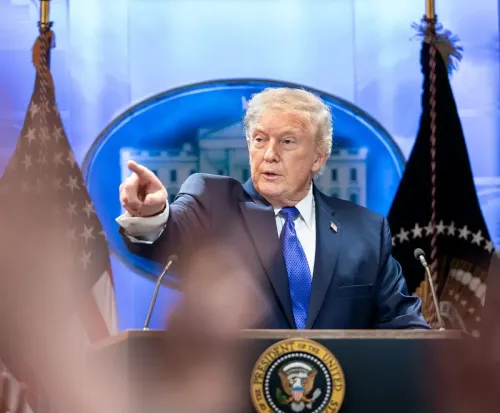
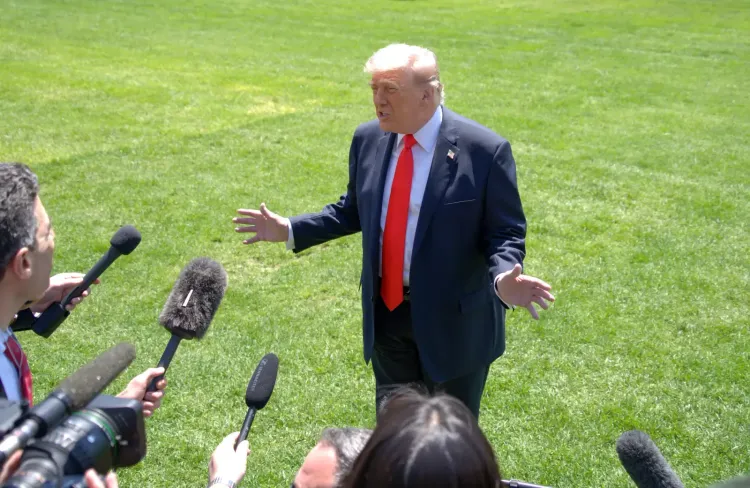
'We're talking to Iran. We have been,' Trump told reporters before departing the White House. The president also projected confidence about the military balance, saying, 'We've beaten Iran. We are doing very well with Iran,' and claimed the Strait of Hormuz was 'opening.' The remarks combined assertions of military advantage with an implicit signal that diplomacy remained on the table.
The Sanctions: Operation Economic Outcast
The US Treasury Department announced the designations under Operation Economic Outcast, coordinated with Canada's financial intelligence unit FINTRAC, the US Financial Crimes Enforcement Network (FinCEN), and the Drug Enforcement Administration (DEA). Treasury alleged that the targeted companies exchanged Iranian rials and other currencies for digital assets to facilitate international transactions involving Iran, with several reportedly linked to sanctioned Iranian cryptocurrency exchanges or wallet addresses associated with the Islamic Revolutionary Guard Corps (IRGC).
The measures block the designated entities' US-jurisdiction assets and generally prohibit American persons from transacting with them. Notably, the sanctions do not constitute a criminal conviction.
Drug Proceeds and a High-Profile Name
Treasury separately alleged that several of the eight businesses had handled drug proceeds connected to Ryan Wedding, a Canadian former Olympic snowboarder. The allegations appeared in the official designation announcement; the reviewed material did not include responses from the named businesses.
What Officials Said
State Department spokesman Tommy Pigott said Washington would continue targeting revenue it alleged was supporting Iran's weapons programmes and regional proxies, describing the action as a reflection of US-Canada cooperation to protect the North American financial system. Treasury Secretary Scott Bessent said the department would pursue Iran's financial channels wherever they operated globally.
Notably, the sanctions announcement did not describe the measures as part of any negotiated arrangement, nor did it identify a direct connection between the designations and the diplomatic contacts Trump referenced. The divergence between the two tracks — financial pressure and simultaneous engagement — suggests Washington is pursuing a parallel-track approach to Tehran, one that keeps coercive tools active while leaving a diplomatic door ajar.
What to Watch Next
The juxtaposition of back-channel talks and aggressive sanctions enforcement will be closely watched by Gulf states and European allies, particularly given the strategic sensitivity of the Strait of Hormuz to global energy flows. Any further signals from Tehran — or the next round of Treasury designations — could clarify whether the two tracks are converging or simply running in parallel.
Point of View
And the Iran playbook is no different. What is striking is the absence of any official linkage between the two tracks: Treasury's announcement deliberately avoids framing the sanctions as part of a negotiated process, which preserves maximum leverage while giving Tehran a face-saving opening. The drag of the IRGC crypto-network angle also signals that the financial campaign is not winding down — it is being tightened. Whether Iran reads the dual signal as an invitation or a provocation will determine the next move in a relationship that has oscillated between brinkmanship and back-channel for decades.
NationPress
7 Nov 2026
Frequently Asked Questions
What did Trump say about Iran on 7 November 2026?
President Trump told reporters he was in active diplomatic contact with Iran, saying 'We're talking to Iran. We have been.' He also claimed military advantage, asserting 'We've beaten Iran' and that the Strait of Hormuz was opening.
What is Operation Economic Outcast?
Operation Economic Outcast is a US Treasury-led sanctions action that targeted eight Canada-based money services businesses on 7 November 2026 for allegedly exchanging Iranian rials and other currencies for cryptocurrency to facilitate international transactions involving Iran. It was coordinated with Canada's FINTRAC, the US FinCEN, and the DEA.
Are the US-Iran talks and the new sanctions connected?
The Treasury Department's official announcement did not describe the sanctions as part of any negotiated arrangement or identify a direct link to the diplomatic contacts Trump mentioned. The two tracks appear to be running in parallel rather than as part of a formal deal.
Who is Ryan Wedding and why is he mentioned?
Ryan Wedding is a Canadian former Olympic snowboarder. The Treasury designation alleged that several of the eight sanctioned businesses had handled drug proceeds connected to him. These were allegations in the official announcement; responses from the businesses were not included in the reviewed material.
What do the new sanctions actually do?
The designations block the targeted companies' assets within US jurisdiction and generally prohibit US persons from transacting with them unless specifically authorised or exempt. They do not amount to a criminal conviction.