US gives nations deadlines to cut Iran ties or lose dollar access
Synopsis
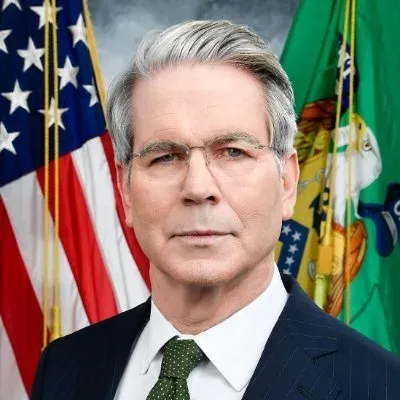
Washington has drawn a hard line: deal with Iran or deal with America — not both. Treasury Secretary Scott Bessent's 'Operation Economic Outcast' expands secondary sanctions to five new Iranian sectors, designates nearly 60 entities, and gives unnamed countries secret deadlines to comply. The threat to cut non-compliant institutions from the US dollar system is the sharpest financial weapon Washington has deployed against Tehran in years.
Key Takeaways
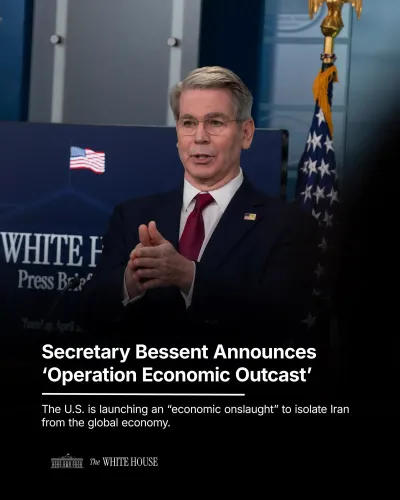
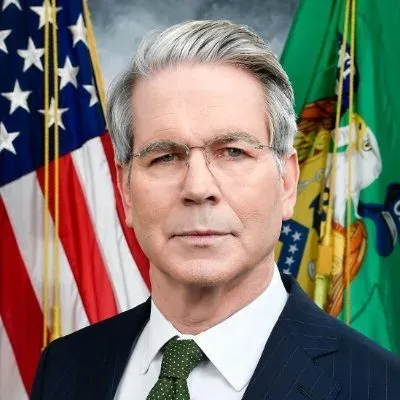
Treasury Secretary Scott Bessent announced 'Operation Economic Outcast' on 24 August , a sustained campaign to isolate Iran financially.
Countries have been given defined but undisclosed deadlines to shut down Iran-related activities or face unilateral US action.
Secondary sanctions expanded to five new sectors : digital assets, technology, gold, aviation, and shipping.
Nearly 60 entities, individuals, and vessels were sanctioned for enabling Iranian nuclear, missile, cyber, and oil operations.
Entities facilitating money laundering for Iran risk being removed from the US dollar system .
Bessent warned that further sanctions would arrive in waves, with a financial institution potentially targeted before the end of the week .
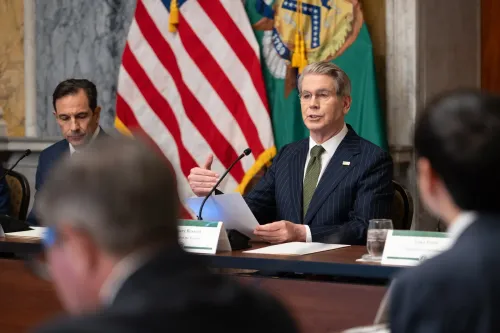
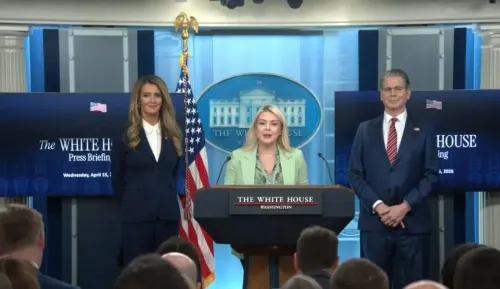
Treasury Secretary Scott Bessent on Monday, 24 August announced 'Operation Economic Outcast', a sweeping US campaign to sever Iran's global financial networks, warning governments and companies that they must choose between access to the American economy and continued dealings with Tehran. The ultimatum came with country-specific deadlines, though Bessent declined to name the nations approached or disclose the timeframes given.
The Core Ultimatum
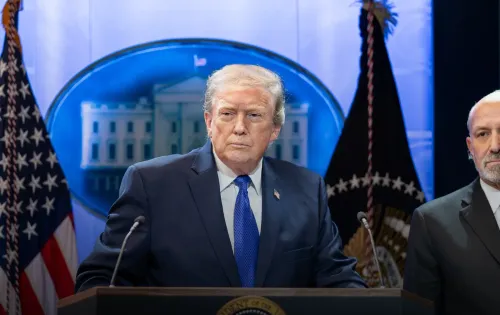
President Donald Trump has personally begun calling foreign leaders with specific demands to end all interactions with the Iranian government, Bessent said. Teams from the Treasury, State, and War departments are following up with their counterparts in each country.
'Every country has a defined timeline to shut down activities we have identified,' Bessent said. 'If they do not take action, we will do so unilaterally through Treasury authorities.'
The warning covers banks, shipping companies, and other entities accused of helping Iran sell oil, move money, or circumvent existing restrictions. Any entity found facilitating money laundering for Iran, Bessent said, could be removed from the US dollar system entirely.
New Sanctions and Expanded Sectors
The US Treasury expanded the scope of possible secondary sanctions to five additional sectors of the Iranian economy: digital assets, technology, gold, aviation, and shipping. Simultaneously, Washington sanctioned nearly 60 entities, individuals, and vessels accused of enabling Iranian nuclear and missile procurement, cyber operations, and oil-revenue generation.
Bessent said the administration was aware of the identities of foreign institutions helping Iran convert oil into revenue, and that it preferred private diplomatic engagement before publicly imposing penalties — though he made clear that patience was limited.
'We do not have infinite patience here,' he said.
The 'Cure Period' and What Comes Next
Bessent described an initial 'cure period' — a window for governments and companies to end targeted activities before sanctions are formally imposed. He stressed, however, that the window would close quickly.
'We believe that it is important to level set and give people a cure period, but they should know that that will move very quickly and that we are serious,' he said.
He also indicated that a financial institution could be targeted before the end of the week, and that waves of sanctions would follow at a sustained pace. 'You will see a wave of sanctions when you leave this meeting today, and you should expect that cadence to continue,' Bessent said.
Strategic Framing and Global Stakes
The campaign marks a significant escalation in the Trump administration's maximum-pressure approach toward Iran, extending well beyond previous rounds of sanctions. Bessent framed the choice in stark terms: 'It is now a time for world leaders to make a decision between prosperity and isolation, peace and terror, America and Iran.'
He rejected criticism that Washington should have immediately sanctioned every identified foreign entity without offering time to comply, calling secondary sanctions 'a very powerful tool' that warranted a 'warning shot' first. Nations and companies that cooperate, he said, would benefit from the US partnership; those that do not 'should expect to share in the isolation of a withering regime.'
With the first round of designations already in place and further action promised within days, the global pressure campaign appears set to intensify rapidly in the weeks ahead.
Point of View
Forcing every trading partner of Iran to assume they are on the list. The expansion of secondary sanctions to digital assets and gold signals that Washington has studied how Tehran adapted to previous rounds. For India, which has historically balanced energy imports from Iran with its US relationship, the undisclosed timelines create acute strategic ambiguity. The 'cure period' framing is diplomatic cover — the real message is that the dollar system is now a conditional privilege, not a global commons.
NationPress
9 Oct 2026
Frequently Asked Questions
What is 'Operation Economic Outcast'?
'Operation Economic Outcast' is a sustained US campaign announced on 24 August by Treasury Secretary Scott Bessent to isolate Iran and sever its global financial connections. It involves country-specific deadlines, expanded secondary sanctions across five new sectors, and the designation of nearly 60 entities, individuals, and vessels linked to Iranian nuclear, missile, and oil operations.
Which countries received deadlines from the US to cut Iran ties?
Treasury Secretary Bessent declined to name the countries approached or reveal the timeframes given. However, he confirmed that every country identified has a defined deadline, and that President Trump has personally called foreign leaders with specific demands to end dealings with Iran.
What are the new sectors targeted by US secondary sanctions on Iran?
The US Treasury expanded secondary sanctions to five additional sectors of the Iranian economy: digital assets, technology, gold, aviation, and shipping. These additions are designed to close loopholes through which Iran has reportedly continued to generate and move revenue.
What happens to companies or banks that continue to deal with Iran?
According to Bessent, entities that facilitate money laundering or other financial services for Iran risk being removed from the US dollar system. Those that do not comply within the given cure period face unilateral sanctions imposed by the US Treasury without further warning.
How does this compare to previous US sanctions on Iran?
This campaign represents a significant escalation beyond prior rounds, expanding secondary sanctions to five new sectors and explicitly threatening to exclude non-compliant institutions from the dollar system. Bessent described it as the beginning of a longer, sustained campaign with waves of new designations expected regularly.