Are US Sanctions Targeting Iran's Shadow Fleet Effective?
Synopsis
The US has implemented new sanctions against Iran's shadow fleet, aiming to curb the regime's funding for repression and foreign destabilizing actions. This move comes amid widespread protests in Iran over economic mismanagement. Discover how these sanctions could impact both the Iranian populace and international oil transport.
Key Takeaways
The US has imposed new sanctions on Iran's shadow fleet.
These sanctions target funding sources for repression.
Widespread protests in Iran are ongoing amid economic turmoil.
Sanctions may disrupt international oil transport.
Violating these sanctions can lead to significant penalties.
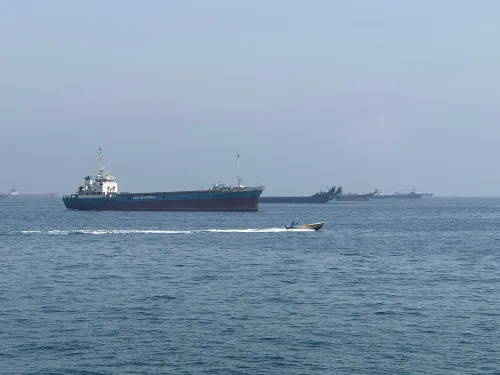
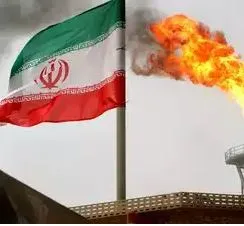
Washington, Jan 23 (NationPress) The United States has unveiled a new set of sanctions aimed at what it refers to as Iran's “shadow fleet”. This action is part of an effort to further limit revenue sources that are allegedly being utilized to suppress the Iranian populace and fund destabilizing ventures abroad.
The Treasury Department has placed sanctions on eight entities and nine vessels involved in the transport of Iranian oil and petroleum derivatives, including liquefied petroleum gas.
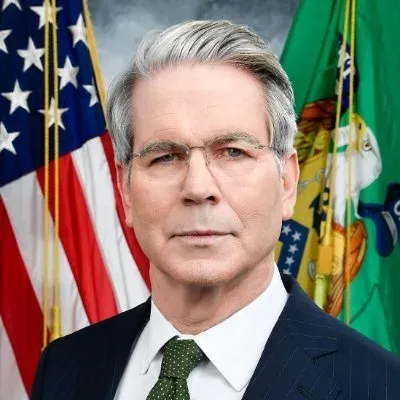
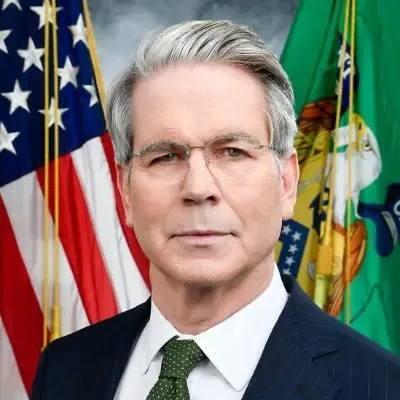
Treasury Secretary Scott Bessent remarked that these actions are focused on severing a vital funding source for repression. “The Iranian regime is indulging in a cycle of economic self-destruction—this has been exacerbated by President Trump’s maximum pressure approach,” Bessent stated.
“Tehran's preference for supporting terrorists rather than its own citizens has led to a collapse of Iran's currency and living standards,” he continued. “These sanctions today are directed at a significant aspect of how Iran accumulates funds to suppress its population.”
The Office of Foreign Assets Control indicated that the identified vessels have transported Iranian crude oil, LPG, fuel oil, naphtha, condensate, and methanol to various destinations including East Asia, Pakistan, Bangladesh, Somalia, Djibouti, and the United Arab Emirates in recent years.
Among the vessels listed are SEA BIRD, AVON, AL DIAB II, CESARIA, LONGEVITY 7, EASTERN HERO, AQUA SPIRIT, CHIRON 5, and KEEL. The designated companies comprise shipping and management firms based in locations such as the United Arab Emirates, India, Oman, the Marshall Islands, Liberia, and Seychelles.
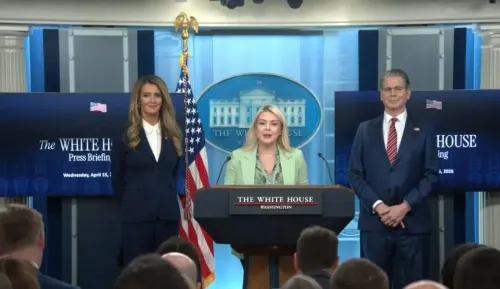
“These entities have facilitated the shipment of hundreds of millions of dollars' worth of Iranian oil and petroleum products, including LPG, thereby financing the regime and its security forces,” stated Principal Deputy Spokesperson Tommy Pigott.
This announcement comes amidst extensive protests in Iran regarding economic conditions and governance. Pigott noted that while “the Iranian populace is protesting the regime’s disastrous economic management,” the government persists in allocating funds to “foreign proxies and missiles instead of addressing the basic necessities of Iranians.”
He highlighted “massive inflation, deteriorating infrastructure, and shortages of water and electricity” as indications that “Iranians are not witnessing their riches being utilized effectively,” emphasizing that “the Iranian regime prioritizes its own interests over those of its citizens.”
The sanctions specifically target vessels and companies that have collectively transported hundreds of millions of dollars' worth of Iranian oil and petroleum products to international markets, according to the Department of the Treasury.
Consequently, all properties and interests of the blocked entities within US jurisdiction are frozen and must be reported to OFAC. US individuals are generally barred from engaging in transactions involving the designated entities and vessels without proper authorization.
The Treasury cautioned that breaches of US sanctions may lead to civil or criminal penalties, and foreign individuals and financial institutions could also face risks for participating in certain transactions with blocked entities.
Point of View
It is clear that the sanctions imposed by the US reflect a critical stance against Iran's actions that affect not just its citizens but regional stability. While such measures aim to support the Iranian people, the effectiveness and repercussions of these sanctions will require careful scrutiny as the situation unfolds.
NationPress
29 Sept 2026
Frequently Asked Questions
What are the new sanctions imposed by the US?
The US has announced sanctions targeting Iran's shadow fleet, focusing on eight entities and nine vessels involved in transporting Iranian petroleum products.
What is the purpose of these sanctions?
The sanctions aim to restrict funding sources for the Iranian regime that are allegedly used for repression and destabilizing activities abroad.
How do these sanctions affect the Iranian economy?
These sanctions are expected to further pressure the Iranian economy, which is already facing significant challenges, including high inflation and deteriorating living conditions.
What does this mean for international oil transport?
The sanctions may disrupt the flow of Iranian oil and petroleum products to various regions, impacting global markets.
Are there penalties for violating these sanctions?
Yes, violations of US sanctions can result in civil or criminal penalties, and foreign individuals or institutions could face risks for engaging with blocked entities.