Russia prefers peace deal in Ukraine, warns of military push if Kyiv refuses
Synopsis
Russia's Kremlin has made its position unmistakably clear: peace is preferred, but military escalation remains on the table if Kyiv refuses to negotiate. Peskov's remarks — covering oil price warnings, sharp EU criticism, and a disclosed Putin-Trump alignment on Kyiv — paint a picture of Moscow tightening its diplomatic and military posture ahead of the symbolically charged Victory Day on 9 May.
Key Takeaways
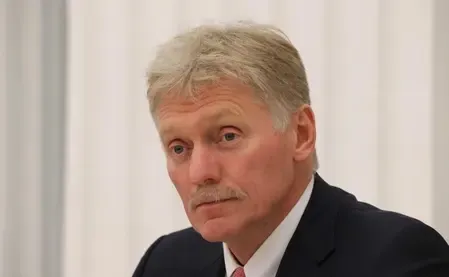
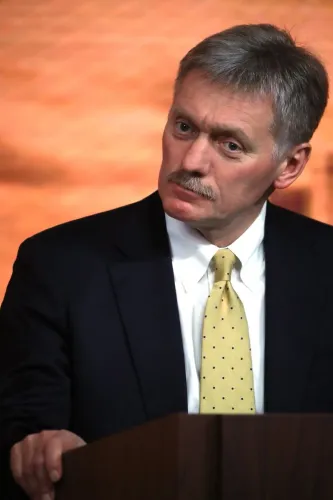
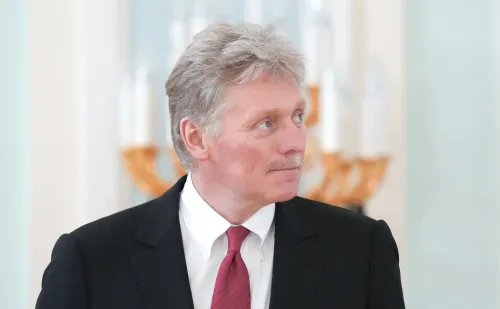
Kremlin spokesperson Dmitry Peskov said on 3 May that Russia prefers to achieve its goals in Ukraine through a peace agreement.
If Kyiv refuses, Russia will pursue its objectives through "special military operations", Peskov warned.
Peskov warned of rising global oil prices if Russia's export infrastructure is damaged by Ukrainian strikes.
The Kremlin accused the EU of mobilising behind "ostentatious Russophobia" and moving toward harsh confrontation with Russia .
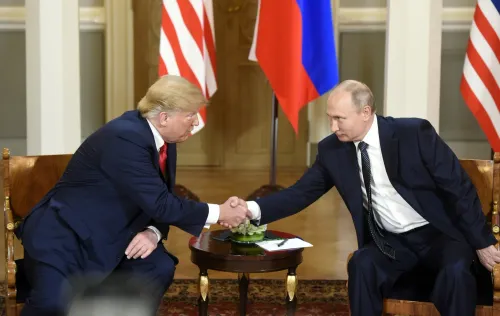
Putin and Trump reportedly expressed similar views on Kyiv authorities in a recent phone call.
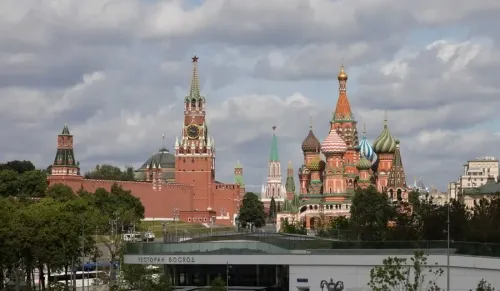
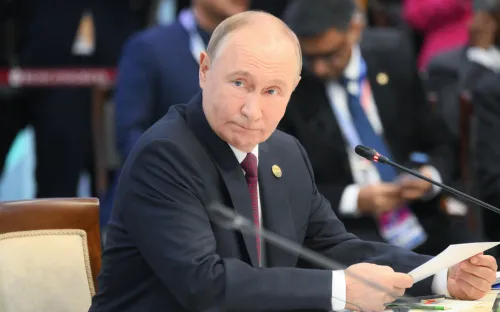
Putin will hold bilateral talks with world leaders at the Victory Day celebrations on 9 May ; his parade speech is described as "very important".
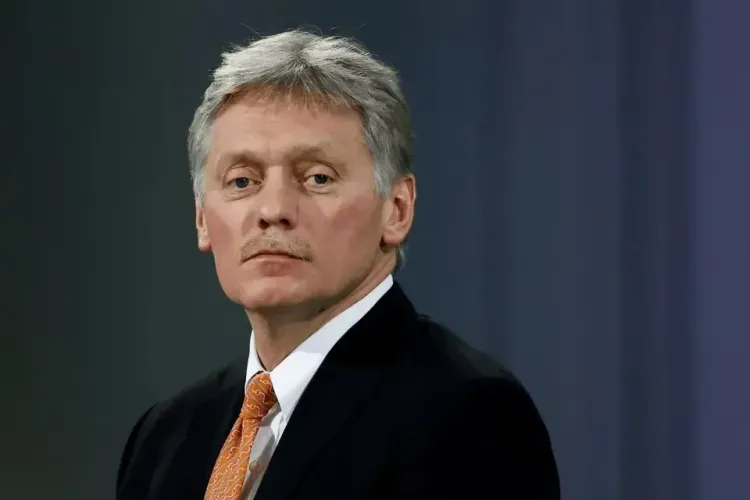
Kremlin Presidential Press Secretary Dmitry Peskov said on Sunday, 3 May that Russia would prefer to achieve its goals in Ukraine through a peace agreement, but warned that Moscow would pursue those objectives through "special military operations" if Kyiv remained unwilling to negotiate. The remarks, reported by state-owned news agency TASS, came in response to US President Donald Trump's comments about an imminent deal with Ukraine.
Russia's Stated Position on Peace Talks
Peskov described being "close to a deal" as a "very broad concept", while reaffirming that Moscow's preferred route remains a negotiated peace settlement. However, he left little ambiguity about the alternative, saying Russia would "persuade" Kyiv through military means if diplomacy fails. The statement signals that Russia is keeping both diplomatic and military options firmly on the table as ceasefire speculation intensifies internationally.
Kremlin's Warning on Oil Infrastructure Attacks
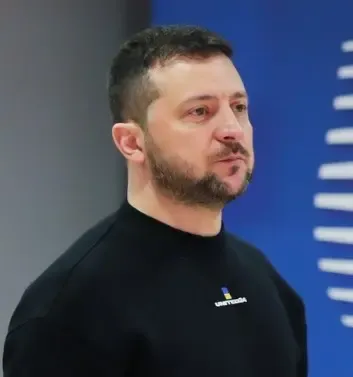
When asked to comment on Ukrainian President Volodymyr Zelensky's statement — in which Kyiv refused Western requests to halt strikes on Russian oil infrastructure — Peskov warned of rising global oil prices if Russia's export infrastructure sustains damage. The warning underscores the potential economic ripple effects of continued escalation beyond the battlefield, affecting energy markets worldwide.
Sharp Criticism of the European Union
Peskov also levelled pointed criticism at the European Union, accusing it of mobilising behind what he called "ostentatious Russophobia" and expressing readiness to spend large sums on military build-up. "They're trying to compensate for the loss of the American defence component. And all of this, of course, is leading to us returning to a period of very harsh confrontation with Europe, first and foremost," Peskov said. He further claimed that Washington has the ability to "put Kyiv in its place", but argued that Europe is standing in the way of any resolution.
Putin-Trump Phone Call and Victory Day Plans
Peskov also disclosed that Russian President Vladimir Putin and US President Trump expressed "similar views" on the Kyiv authorities during their recent phone conversation, though he did not elaborate on specifics. Separately, he announced that Putin will hold bilateral talks with world leaders attending the Victory Day celebrations on 9 May, and described Putin's forthcoming parade speech as "very important" — a signal that Moscow may use the occasion to make a significant political or military statement.
What to Watch Next
With Victory Day on 9 May approaching and diplomatic activity intensifying around a possible Ukraine ceasefire, all eyes will be on Putin's address and the bilateral meetings on the sidelines. Any shift in Russia's stated conditions for peace — or further escalation in Ukraine — could reshape the trajectory of negotiations in the days ahead.
Point of View
Giving Moscow political cover regardless of how events unfold. The framing of Europe as the primary obstacle, rather than Ukraine itself, is notable: it attempts to wedge Washington from its European allies at a moment when transatlantic unity over Ukraine is already under strain. The disclosure that Putin and Trump share views on Kyiv's leadership is the most consequential detail in the statement — and the least elaborated. With Victory Day on 9 May looming as a high-visibility platform, Moscow appears to be managing the narrative tightly ahead of what could be a pivotal week in the conflict's diplomatic arc.
NationPress
26 Sept 2026
Frequently Asked Questions
What did Kremlin spokesperson Dmitry Peskov say about Russia's goals in Ukraine?
Peskov said on 3 May that Russia prefers to achieve its goals in Ukraine through a peace agreement, but warned that Moscow would pursue those objectives through 'special military operations' if Kyiv is unwilling to negotiate. The remarks were reported by state-owned news agency TASS.
Why did the Kremlin warn about rising oil prices?
Peskov warned that global oil prices could rise if Russia's export infrastructure is damaged by Ukrainian strikes. The warning came in response to Ukrainian President Volodymyr Zelensky's statement that Kyiv had refused Western requests not to attack Russian oil infrastructure.
What did Peskov say about the European Union?
Peskov accused the EU of mobilising behind 'ostentatious Russophobia' and spending heavily on military build-up to compensate for reduced American defence involvement. He warned this trajectory is pushing Europe and Russia toward a period of 'very harsh confrontation'.
What is the significance of Putin's Victory Day plans on 9 May?
Peskov announced that Putin will hold bilateral talks with world leaders attending Victory Day celebrations on 9 May and described Putin's parade speech as 'very important', suggesting Moscow may use the occasion to signal a major political or military position on the Ukraine conflict.
What did Peskov reveal about the Putin-Trump phone call?
Peskov disclosed that Putin and Trump expressed similar views on the Kyiv authorities during their recent phone conversation, though he did not provide further details. The disclosure suggests a degree of alignment between Washington and Moscow on how they perceive Ukraine's current leadership.