Trump won't accept 'bad deal' with Iran, says US Treasury Secretary Bessent
Synopsis
US Treasury Secretary Scott Bessent drew a hard line on Iran talks at the White House, ruling out any deal that does not include Tehran surrendering its highly enriched uranium and keeping the Strait of Hormuz open. With nearly 2,000 ships reportedly waiting in the Gulf and oil prices in focus, the stakes of a breakdown extend well beyond the nuclear file.
Key Takeaways
US Treasury Secretary Scott Bessent confirmed on 29 May that President Donald Trump will not accept a ‘bad deal’ with Iran .
Washington’s three core demands: Iran must surrender highly enriched uranium , abandon its nuclear weapons programme, and keep the Strait of Hormuz open to free navigation.
Bessent declined to confirm reports of a 60-day ceasefire extension or a tentative agreement, saying all decisions rest with Trump.
Any sanctions relief for Iran is contingent on full compliance with US demands, according to Bessent.
Nearly 2,000 ships are reportedly waiting to transit the Gulf; Bessent predicted oil prices could fall sharply once disruptions ease.
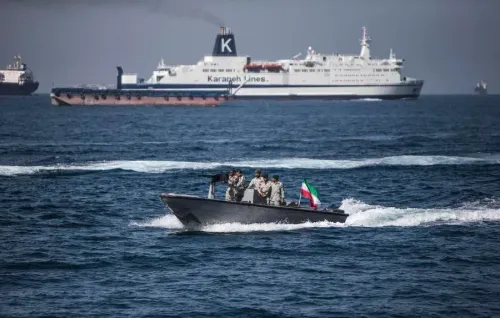
The Strait of Hormuz handles a substantial share of global oil and LNG shipments, making any blockage an immediate global energy risk.
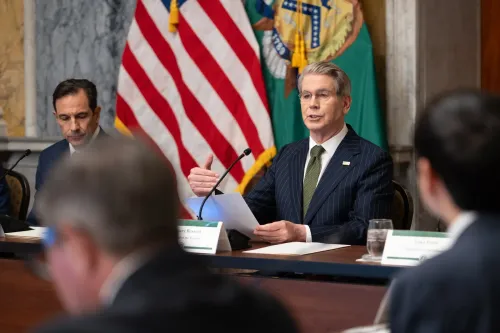
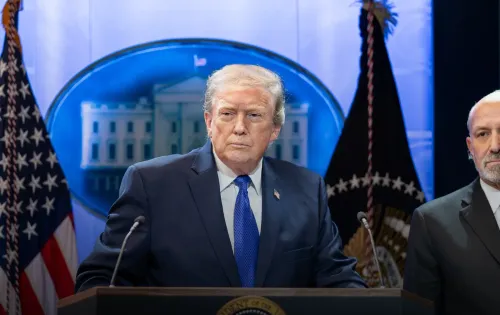
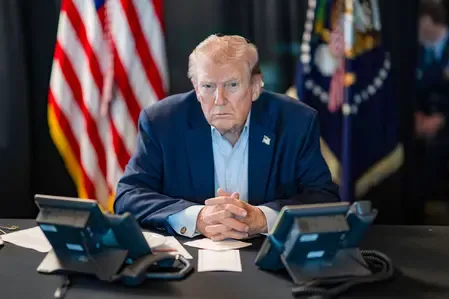
US Treasury Secretary Scott Bessent said on 29 May that President Donald Trump would not accept a ‘bad deal’ with Iran, insisting that any agreement must address Tehran’s nuclear programme and guarantee open shipping lanes through the Strait of Hormuz. Speaking to reporters at the White House, Bessent declined to confirm reports of a tentative agreement, stressing that any deal would ultimately require Trump’s approval.
Key Demands on the Table
Bessent outlined three non-negotiable conditions the Trump administration has placed before Iran. “Iran has to turn over their highly enriched uranium,” he said, adding that Tehran “cannot pursue a nuclear weapon” and that “the Strait of Hormuz has to ‘free transit’ — navigation of the seas has to be free and open as it was before.”
On the prospect of a deal, Bessent was unambiguous: “He’s not going to take a bad deal. He’s going to make a great deal for the American people.”
Talks Ongoing, Details Withheld
Pressed repeatedly on reports of a possible 60-day ceasefire extension and continued nuclear negotiations, Bessent declined to provide specifics. “It’s always a mistake to get out ahead of the President,” he said. “Everything depends on what the President wants to do.”
The Treasury Secretary credited a combination of US military and economic pressure for bringing Iran to the negotiating table, calling it unprecedented. “This administration has done something that no other administration is able to do. We have gotten the Iranians to talk about their nuclear programme and to perhaps commit to not having one. That has never happened before,” he said.
Sanctions Relief Tied to Compliance
Bessent made clear that any future sanctions relief for Iran would be strictly conditional. “Nothing is going to be on the table until we see the Strait of Hormuz open and the Iranians agree that they have to turn over the highly enriched uranium and that they can’t have a nuclear programme,” he said.
Asked about reports of Iranian missile launches and alleged ceasefire violations, Bessent maintained that Washington remained committed to a diplomatic resolution. “President Trump always prefers a peace deal,” he said. “Everything we have done thus far has been defensive.” At the same time, he warned that the administration’s patience was not unlimited should negotiations stall.
Oil Markets and the Hormuz Chokepoint
Bessent said energy markets had remained resilient despite Gulf tensions and projected that oil prices could fall sharply once shipping disruptions ease. “There are almost 2,000 ships waiting to come out of the Gulf and I think the oil market is going to be very well supplied on the other side of this,” he said, predicting prices could “come down very quickly.”
He attributed US resilience to increased domestic production, saying the country had become “the world’s largest energy exporter” under Trump’s “energy dominance and deregulatory agenda.”
The Strait of Hormuz remains one of the world’s most critical energy chokepoints, handling a substantial share of global oil and liquefied natural gas shipments. Any sustained disruption to traffic through the narrow waterway carries immediate consequences for global energy markets and supply chains. With talks still fluid, the coming days will test whether Washington and Tehran can bridge the gap between stated positions.
Point of View
No nuclear programme, open Hormuz) is deliberately maximalist, giving Trump room to declare victory on any partial concession while preserving the option to walk away. Notably, Bessent’s claim that no prior administration got Iran to discuss its nuclear programme sidesteps the 2015 JCPOA, which did exactly that — a framing that will not go unchallenged. With 2,000 ships reportedly backed up in the Gulf, the economic clock is ticking alongside the diplomatic one, and that pressure cuts both ways.
NationPress
25 Sept 2026
Frequently Asked Questions
What are the US conditions for an Iran nuclear deal?
The Trump administration has set three core conditions: Iran must hand over its highly enriched uranium, formally commit to not pursuing a nuclear weapon, and guarantee free navigation through the Strait of Hormuz. Treasury Secretary Scott Bessent confirmed these on 29 May, stating that no sanctions relief would be offered until all three are met.
Has a US-Iran nuclear deal been confirmed?
No. Treasury Secretary Scott Bessent declined to confirm reports of a tentative agreement or a 60-day ceasefire extension, saying all decisions rest with President Trump. He described talks as ongoing but gave no timeline for a conclusion.
Why is the Strait of Hormuz central to the US-Iran talks?
The Strait of Hormuz is one of the world’s most critical energy chokepoints, through which a substantial share of global oil and LNG shipments pass. The US has made free navigation through the strait a non-negotiable condition, and Bessent noted that nearly 2,000 ships are currently waiting to transit the Gulf.
What happens to oil prices if a deal is reached?
Bessent predicted that oil prices could fall ‘very quickly’ once shipping disruptions in the Gulf ease, citing the large backlog of vessels waiting to transit. He also credited increased US domestic production for making America more resilient to energy price swings.
What leverage has the US used to bring Iran to the table?
According to Bessent, a combination of US military pressure and economic sanctions has compelled Iran to engage in nuclear discussions — something he claimed no previous administration achieved. He added that the administration’s patience is not unlimited if talks fail to produce results.