Trump warns Iran: military option on table as Strait of Hormuz tensions rise
Synopsis
Trump's Cabinet meeting on 27 May was equal parts negotiation signal and military threat. With 1,400-plus ships bottled up near the Strait of Hormuz, oil markets rattled, and 'Operation Epic Fury' already under way, the US is running a simultaneous diplomacy-and-pressure campaign against Iran — and the next few days, according to Rubio, will determine whether a deal is even possible.
Key Takeaways
President Trump on 27 May confirmed Iran was making concessions in nuclear talks but warned military action remained an option.
Trump drew a hard line on the Strait of Hormuz , saying no party would be allowed to control the waterway.
Approximately 1,400–1,500 vessels are reportedly holding near the strait awaiting passage.
Secretary of State Marco Rubio said there had been 'some progress' in negotiations and that the coming days would be decisive.
Secretary of War Pete Hegseth described 'Operation Epic Fury' as a coordinated military-economic pressure campaign targeting Iranian tankers globally.
Trump urged Saudi Arabia and Qatar to join the Abraham Accords as part of a broader Middle East settlement linked to the Iran file.
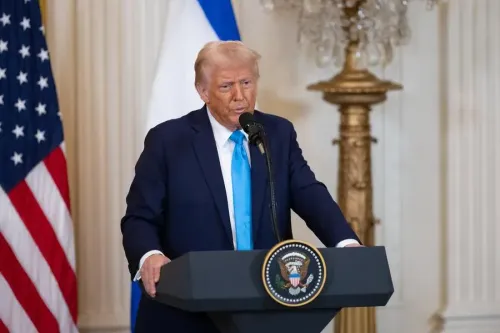
US President Donald Trump on Wednesday, 27 May said Iran was making progress in nuclear negotiations with Washington but made clear that military action remained a live option, as oil markets stayed volatile and global attention fixed on the Strait of Hormuz — the chokepoint through which a significant share of world oil supplies passes.
Key Developments at the White House
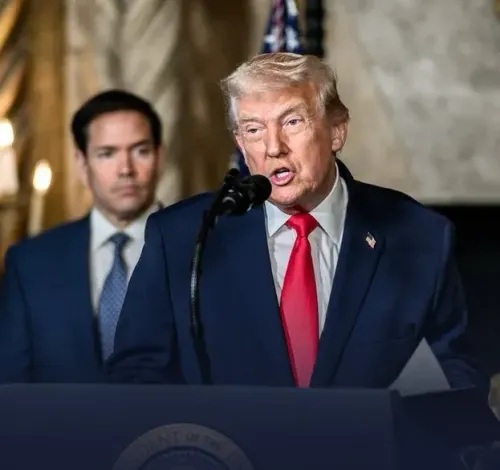
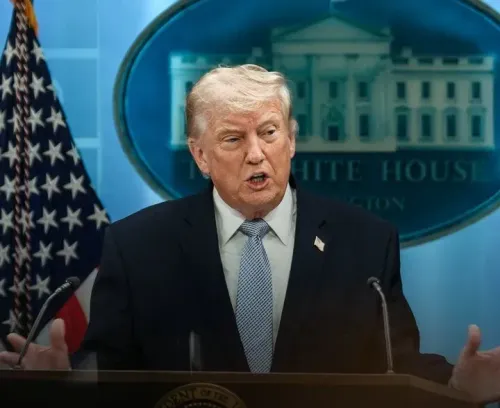
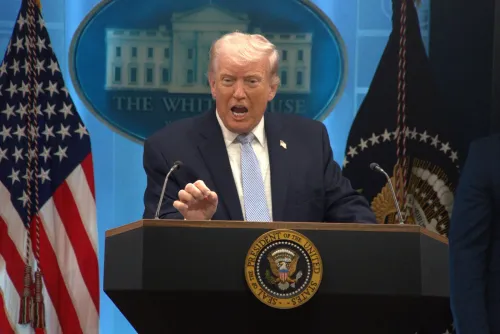
Speaking during a Cabinet meeting at the White House, Trump framed the administration's core objective in unambiguous terms. 'Iran cannot have a nuclear weapon,' he said. 'I'm doing that for the world.'
The President acknowledged that Tehran had begun offering concessions but insisted any deal had to be comprehensive. 'We can make a good deal right now, but maybe not a great deal, and if it's not a great deal, we're not making it,' he said.
Strait of Hormuz: Trump Draws a Red Line
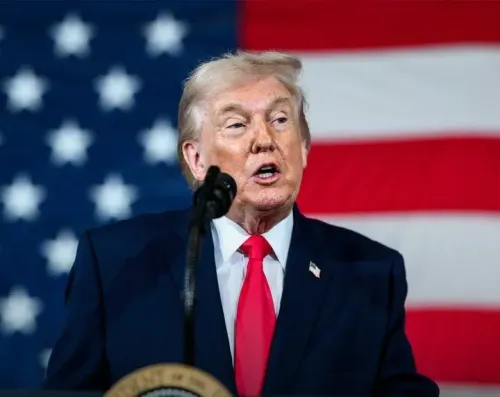
Trump repeatedly linked the nuclear talks to mounting tensions around the Strait of Hormuz, ruling out any arrangement that would give Iran control over the waterway. 'The Strait is going to be open to everybody,' he said. 'Nobody's going to control it. It's international waters.'
The President claimed approximately 1,400 to 1,500 vessels were currently holding near the strait awaiting passage. 'You have about 14, 1500 boats in the strait wanting to get out, and at the right time we'll release them,' he said — a remark that underscored the scale of commercial disruption already under way.
Oil Prices and the American Consumer
Trump acknowledged that US consumers had faced higher fuel costs following recent military escalation involving Iran but predicted relief was near. 'Those prices are going to come down fast,' he said. He also claimed the United States was now producing more oil than Russia and Saudi Arabia combined, and that expanded American and Venezuelan output would help stabilise global energy markets — a claim that could not be independently verified from the Cabinet meeting alone.
What Rubio and Hegseth Said
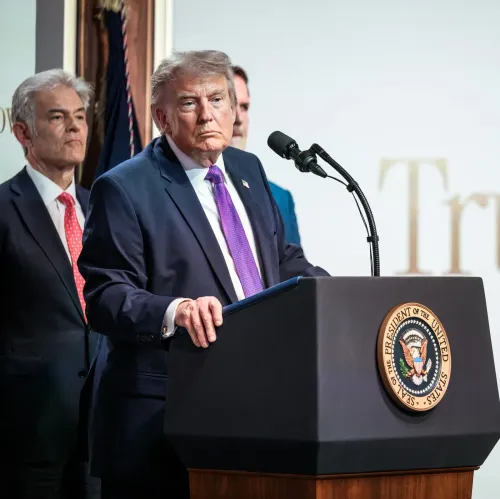
Secretary of State Marco Rubio said diplomacy remained Washington's preferred path but drew a firm line. 'The bottom line is Iran's never going to have a nuclear weapon,' Rubio said. 'Diplomacy is always the first option.' He added there had been 'some progress' in talks and said the coming days would be decisive for a broader agreement.
Secretary of War Pete Hegseth said recent US military operations had severely degraded Iran's capabilities. 'They may have missiles, but they can't build more right now,' he said. Hegseth described 'Operation Epic Fury' as part of a coordinated effort to pressure Tehran economically and militarily, adding that Iranian tankers were being targeted globally and that Iran's economy was, in his words, 'hurting big time'.
Broader Middle East Diplomacy in Play
Trump also signalled that a wider regional settlement could form part of any final arrangement with Tehran. He urged Gulf states, specifically naming Saudi Arabia and Qatar, to join the Abraham Accords, calling such a move 'historic'. This comes amid a broader US push to reshape Middle East alignments, with Iran's nuclear file at its centre.
Notably, Trump claimed Iran would have obtained a nuclear weapon 'within two weeks' had the US not acted — a claim that, if accurate, would represent one of the most consequential near-misses in recent non-proliferation history. Whether that timeline holds up to independent scrutiny remains an open question as negotiations continue.
Point of View
But with Iranian tankers already being targeted and 1,500 ships stalled near the Strait of Hormuz, the economic cost of prolonged ambiguity is real and rising. Rubio's 'coming days will be decisive' language is either a genuine deadline or a pressure tactic — and markets, not diplomats, will feel the difference first. The Abraham Accords push layered on top suggests Washington is trying to bundle the Iran nuclear question into a larger regional realignment, which historically makes deals harder to close, not easier.
NationPress
11 Oct 2026
Frequently Asked Questions
What did Trump say about Iran on 27 May 2025?
Speaking at a White House Cabinet meeting on 27 May, President Trump said Iran was making progress in nuclear negotiations but warned that military action remained an option. He insisted any agreement had to be comprehensive, saying the US would not accept anything less than a 'great deal.'
What is the significance of the Strait of Hormuz in the Iran crisis?
The Strait of Hormuz is a critical global shipping lane through which a large share of the world's oil supplies move. Trump said approximately 1,400–1,500 vessels were waiting near the strait and drew a firm line against any Iranian control over the waterway, calling it international waters.
What is 'Operation Epic Fury'?
'Operation Epic Fury' is the name used by Secretary of War Pete Hegseth to describe recent US military operations against Iran. Hegseth said the operation was part of a broader effort to pressure Tehran economically and militarily, including targeting Iranian tankers globally.
What did Secretary of State Marco Rubio say about Iran diplomacy?
Rubio said diplomacy remained Washington's first option but that Iran would never be permitted to acquire a nuclear weapon. He noted 'some progress' in ongoing negotiations and said the coming days would determine whether a broader agreement was achievable.
How is the Iran standoff affecting oil prices?
Oil markets have remained volatile following recent military escalation involving Iran. Trump acknowledged that US consumers had seen higher fuel prices but predicted they would 'come down fast,' citing increased American and Venezuelan oil output as stabilising factors.