CM Himanta Launches Entrepreneurship Drive in Kokrajhar
Synopsis
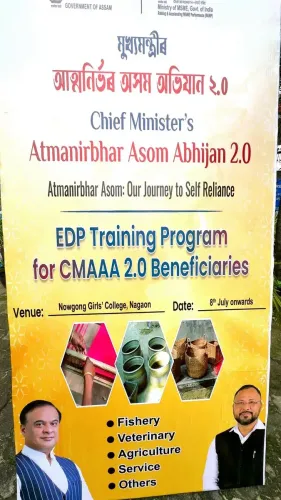
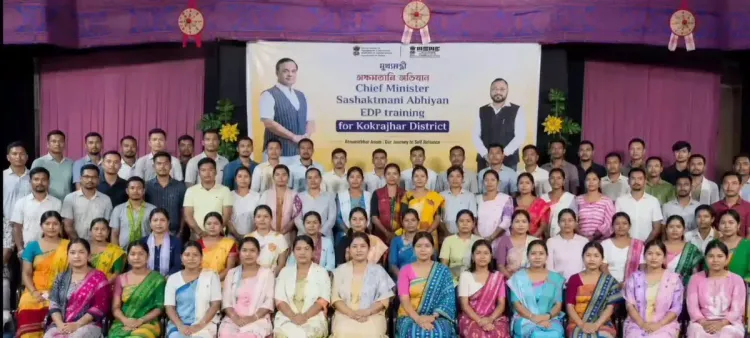
Assam's Chief Minister's Office has launched a month-long Entrepreneurship Development Programme under CMAAA2 in Kokrajhar, enrolling 3,196 beneficiaries for training in enterprise planning, digital business, and market linkages — with 650 veterinary and fisheries workers participating on day one.
Key Takeaways
The CMAAA2 Entrepreneurship Development Programme commenced in Kokrajhar on 12 July 2026 under the Assam state government.
A total of 3,196 beneficiaries will receive structured training over one month in enterprise planning, financial management, digital business, market linkages, and sustainable enterprise development.
650 beneficiaries from the Veterinary and Fisheries sectors participated on the inaugural day.
The programme is aligned with Chief Minister Dr.
Himanta Biswa Sarma's self-employment and enterprise agenda for Assam.
Kokrajhar is situated in the Bodoland Territorial Region , a post-conflict zone where livelihood schemes have been prioritised since the 2020 Bodo Peace Accord .
Post-training enterprise formation rates and potential expansion to other districts will be key indicators of the programme's success.
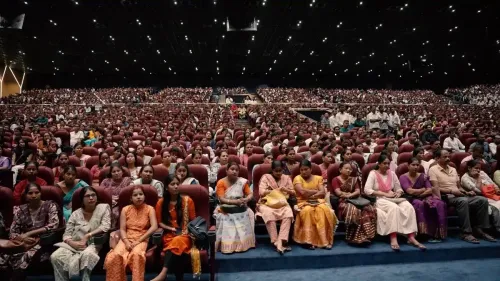
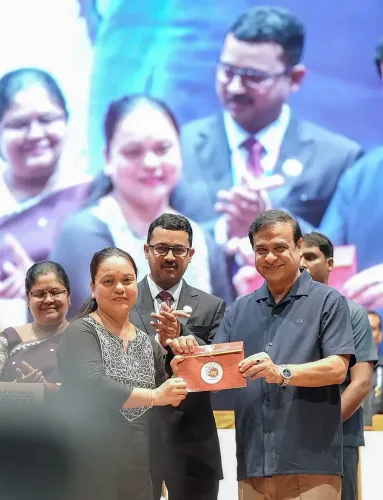
The Chief Minister's Office of Assam announced on Sunday, 12 July 2026, that a month-long Entrepreneurship Development Programme under the CMAAA2 scheme has commenced in Kokrajhar, targeting over three thousand aspiring entrepreneurs in the Bodoland Territorial Region. The programme, rolled out under the vision of Chief Minister Dr. Himanta Biswa Sarma, will provide structured training to 3,196 beneficiaries across enterprise planning, financial management, digital business, market linkages, and sustainable enterprise development.
Context
Kokrajhar, the district headquarters of the Bodoland Territorial Region (BTR) in western Assam, has long been a focal point of state-led development efforts following years of ethnic conflict. The inaugural day of the programme saw 650 beneficiaries from the Veterinary and Fisheries sectors participate, signalling the scheme's intent to build enterprise capacity within sector-specific communities rather than offering generic skill training.
The District Commissioner's Office of Kokrajhar (@dckokrajhar) is among the implementing agencies coordinating the rollout at the ground level.
Policy Backdrop
The CMAAA2 programme is part of Assam's broader push for self-employment and reduced dependence on government jobs, particularly in districts that have historically faced underdevelopment. Following the 2020 Bodo Peace Accord, successive state governments have prioritised livelihood and skill-development initiatives in the BTR as a peace dividend, aiming to channel post-conflict energy into economic activity.
The approach mirrors similar state-level schemes across the Northeast that pair sector-specific training with market-linkage components — an acknowledgement that training alone, without downstream market access, rarely translates into sustainable enterprise. Dr. Himanta Biswa Sarma, Chief Minister since May 2021, has positioned district-level entrepreneurship programmes as a cornerstone of Assam's economic self-reliance agenda.
Stakeholders and Impact
The 3,196 beneficiaries enrolled in this cohort include rural youth, veterinary workers, and fisheries professionals — sectors with strong livelihood potential in the agrarian economy of western Assam. For communities in Kokrajhar and surrounding BTR districts, structured training in financial management and digital business represents a meaningful upgrade in enterprise readiness beyond traditional occupational skills.
The inclusion of digital business and market linkages as training modules is particularly significant in a region where limited connectivity and market access have historically constrained small enterprise growth. If beneficiaries successfully convert training into operational enterprises, the programme could reduce youth unemployment and generate local economic multipliers in one of Assam's most watched development corridors.
What's Next
With the month-long programme now under way, attention will turn to post-training outcomes — specifically, how many of the 3,196 beneficiaries go on to register or scale enterprises in their respective sectors. Analysts and policy observers will watch whether the state announces an expansion of CMAAA2 to additional districts or sectors beyond Veterinary and Fisheries, and whether market-linkage commitments translate into tangible buyer or credit connections for participants.
The Kokrajhar rollout may serve as a template for similar district-level drives across the Northeast, particularly in areas where post-conflict development frameworks require visible economic outcomes to sustain political momentum.
Point of View
The Assam government signals an intent to embed enterprise training within existing occupational identities rather than offering abstract business education. The inclusion of digital business and market linkages as core modules reflects a more sophisticated programme design than earlier generation skill schemes, though the real test will be conversion rates from training to operational enterprise. For CM Himanta Biswa Sarma, a successful BTR rollout also carries political dividends ahead of any future electoral cycle in a region that has historically been a swing constituency.
NationPress
10 Oct 2026
Frequently Asked Questions
What is the CMAAA2 programme in Assam?
CMAAA2 is an Assam state entrepreneurship and self-reliance scheme that provides structured training to selected beneficiaries across districts, covering enterprise planning, financial management, digital business, market linkages, and sustainable enterprise development.
How many beneficiaries will be trained under the Kokrajhar entrepreneurship programme?
A total of 3,196 beneficiaries are enrolled in the month-long Entrepreneurship Development Programme launched in Kokrajhar in July 2026.
Which sectors participated on the first day of the Kokrajhar CMAAA2 programme?
650 beneficiaries from the Veterinary and Fisheries sectors participated on the inaugural day of the programme in Kokrajhar.
Why is Kokrajhar significant for entrepreneurship schemes in Assam?
Kokrajhar is the headquarters of the Bodoland Territorial Region, a post-conflict area where the state has prioritised livelihood and skill programmes since the 2020 Bodo Peace Accord to accelerate local enterprise formation and reduce youth unemployment.
What is CM Himanta Biswa Sarma's role in the CMAAA2 programme?
Chief Minister Dr. Himanta Biswa Sarma is credited as the driving vision behind the programme, which forms part of his government's broader agenda for self-employment and reduced dependence on government jobs across Assam.