Trump warns Iran 'clock is ticking' amid Strait of Hormuz standoff
Synopsis
Trump's 'clock is ticking' ultimatum to Iran is more than social media bluster — Situation Room meetings on military options signal Washington is moving from frustration to action. With Iran's 14-point peace plan silent on nuclear concessions and the Strait of Hormuz still shut, the gap between the two sides remains wide. For India, which routes a significant share of its crude through that strait, the stakes are not just geopolitical — they are economic.
Key Takeaways
President Trump warned Iran on 18 May that 'the clock is ticking,' following weekend meetings with national security officials on 'the path forward on the Iran war.' A Situation Room meeting was expected on Tuesday to discuss 'potential military options against Iran.' Iran sent a 14-point plan to Washington via Pakistani mediators, but the proposal reportedly contained no concessions on Tehran's nuclear programme .
Iranian President Masoud Pezeshkian acknowledged Iran had 'suffered harm' from US strikes but said the country 'will not bow to pressure.' Israel carried out dozens of strikes in Lebanon in 24 hours; the UAE condemned an alleged 'terrorist attack' on the Barakah nuclear power plant .
India faces direct energy security risks as it imports a significant portion of its crude oil through the Strait of Hormuz .
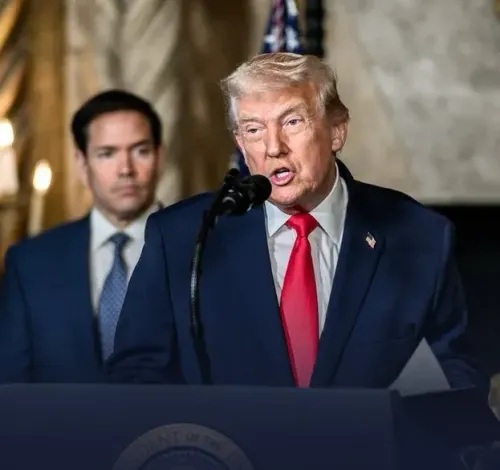
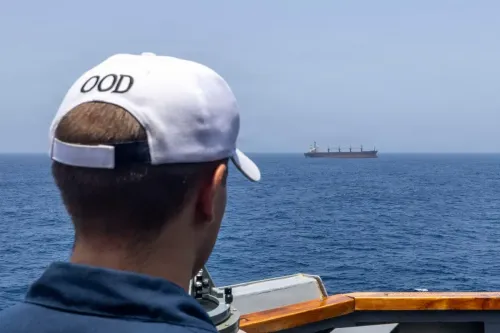
US President Donald Trump issued a stark warning to Iran on Sunday, 18 May, following a weekend meeting with senior members of his national security team, signalling that Washington may be preparing further military options as tensions across the Middle East continue to escalate. The warning came as diplomatic negotiations between the two countries appeared to stall and the Strait of Hormuz remained closed, disrupting global oil shipping.
Trump's Warning and Situation Room Meetings
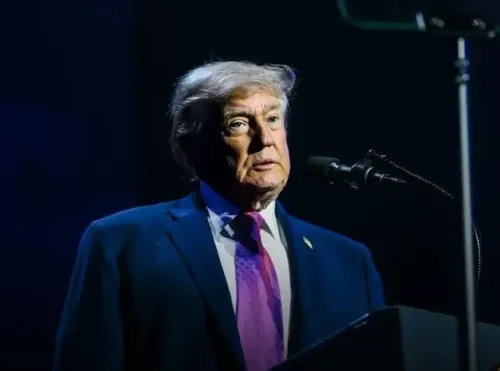
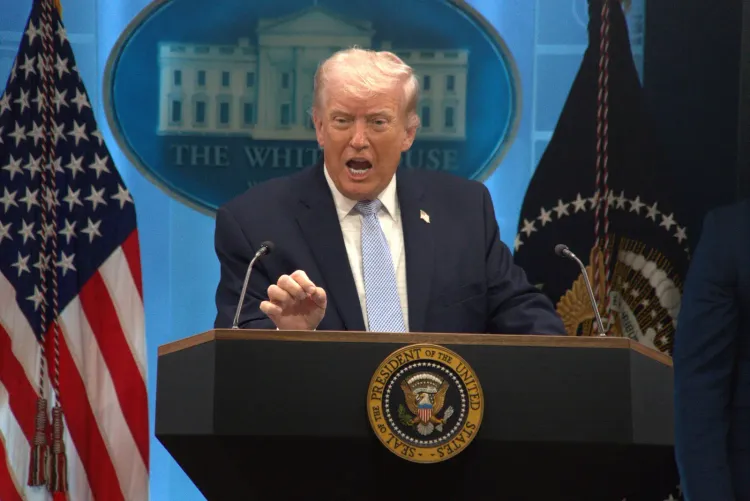
'For Iran, the clock is ticking, and they better get moving, FAST, or there won't be anything left of them. TIME IS OF THE ESSENCE!' Trump wrote on social media on Sunday.
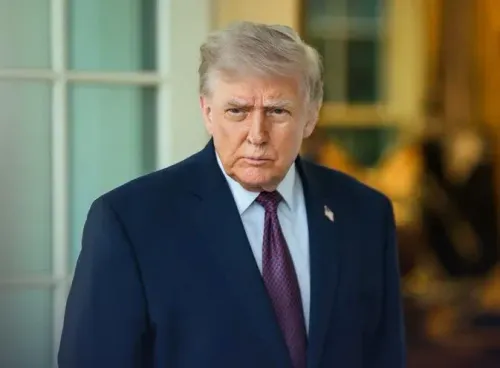
According to reports, Trump met senior national security officials over the weekend to discuss 'the path forward on the Iran war' and was expected to convene a Situation Room meeting on Tuesday with top advisers to weigh 'potential military options against Iran.' Trump had reportedly 'grown increasingly impatient' with Tehran's handling of negotiations and remained frustrated by the continued closure of the Strait of Hormuz and its knock-on effect on global oil prices.
Iran's Position: Negotiations and Defiance
Iran, meanwhile, indicated it was still pursuing a diplomatic resolution. Tehran reportedly sent a new 14-point plan to Washington through Pakistani mediators, according to Iranian state media. The proposal, as described by Tasnim News Agency, focused on ending the conflict and included 'confidence-building measures by the American side.'
However, the plan reportedly made no mention of concessions on Iran's nuclear programme — which remains the central demand from the Trump administration. 'The standoff centres on Iran's nuclear programme and weapons ambitions,' according to reports.
Iranian President Masoud Pezeshkian acknowledged that the country had 'suffered harm' from recent US attacks, but was unequivocal that Tehran would not capitulate. 'We will not sacrifice our country's dignity and honour for comfort or convenience. We have valid reasons and clear justification, and we are fully capable of defending our nation's rights with strength, backed by our people,' he said during a televised meeting of Iran's Government Information Council.
Regional Flashpoints Widen the Crisis
The broader regional situation deteriorated further. Israel reportedly carried out dozens of strikes in Lebanon over a 24-hour period, according to the Israeli Defense Forces. Separately, the UAE condemned what it described as a 'terrorist attack' on its Barakah nuclear power plant. Reports also pointed to growing strains within the Abraham Accords framework — the US-backed regional grouping designed to counter Iranian influence.
India's Stake in the Gulf Standoff
The escalating crisis carries direct consequences for India. India imports a substantial share of its crude oil through the Strait of Hormuz, making any prolonged disruption a significant concern for energy security, inflation, and policymakers in New Delhi. India has traditionally maintained ties with both the United States and Iran, while also deepening strategic partnerships with Israel and Gulf nations in recent years.
Rising tensions in West Asia have repeatedly affected global oil prices, key shipping lanes, and the safety of the large Indian diaspora working across the region. A further military escalation would put New Delhi's carefully balanced foreign policy under renewed strain.
Point of View
There is no real negotiating overlap, and the gap between the two sides is structural, not tactical. For India, the Strait of Hormuz dimension is underreported in most Western coverage but is arguably the most consequential variable — a prolonged closure would hit India's import bill, fuel prices, and current account deficit simultaneously. New Delhi's balancing act between Washington, Tehran, and the Gulf states is about to get considerably harder.
NationPress
3 Oct 2026
Frequently Asked Questions
What did Trump say in his latest warning to Iran?
Trump posted on social media on 18 May that 'the clock is ticking' for Iran, warning that there 'won't be anything left of them' if Tehran does not act quickly. The message followed weekend meetings with his national security team to discuss military options.
What is Iran's 14-point plan sent to the US?
Iran reportedly sent a 14-point proposal to Washington through Pakistani mediators, focused on ending the conflict and including 'confidence-building measures by the American side,' according to Tasnim News Agency. However, the plan reportedly did not address Iran's nuclear programme, which is central to US demands.
Why is the Strait of Hormuz closure significant?
The Strait of Hormuz is one of the world's most critical oil shipping routes, and its continued closure has disrupted global crude supplies and driven up oil prices. For India, which imports a substantial portion of its crude through the strait, the disruption poses a direct threat to energy security and inflation.
What did Iranian President Pezeshkian say about the US strikes?
President Masoud Pezeshkian acknowledged that Iran had 'suffered harm' from recent US attacks but insisted Tehran 'will not bow to pressure.' He stated that Iran would defend its rights 'with strength, backed by our people' and rejected any suggestion of collapse.
How does the US-Iran standoff affect India?
India imports a significant share of its crude oil through the Strait of Hormuz, making any escalation a direct energy security concern. Rising tensions in West Asia also affect global oil prices, shipping routes, and the safety of the large Indian diaspora working across the Gulf region.