Trump says Iran nuclear deal near, warns military option still on table
Synopsis
Trump says a nuclear deal with Iran is within reach — but his conditions are stiff: no weapon developed, none purchased, and the Strait of Hormuz opened immediately. The military threat is not rhetorical window-dressing; Trump explicitly framed it as the fallback if diplomacy fails, signalling that Washington is prepared to escalate even as negotiators inch toward an agreement.
Key Takeaways
President Donald Trump said on 31 May that the US is 'close to a very good deal' with Iran on its nuclear programme.
Iran has reportedly agreed to language barring it from both developing and purchasing a nuclear weapon — a broader clause than earlier drafts.
Trump warned that if talks fail, the US would 'end it a different way,' keeping the military option explicitly open.
Trump linked any final deal to the immediate, toll-free reopening of the Strait of Hormuz .
Trump argued Iran is negotiating from a weakened position following recent US military operations.
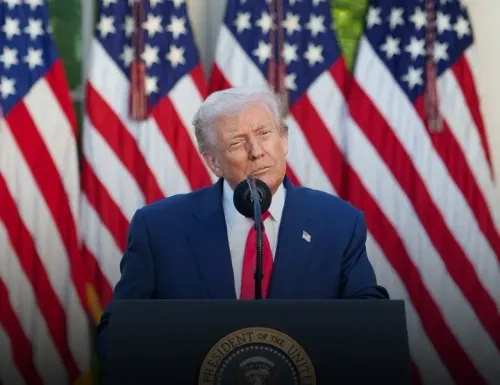
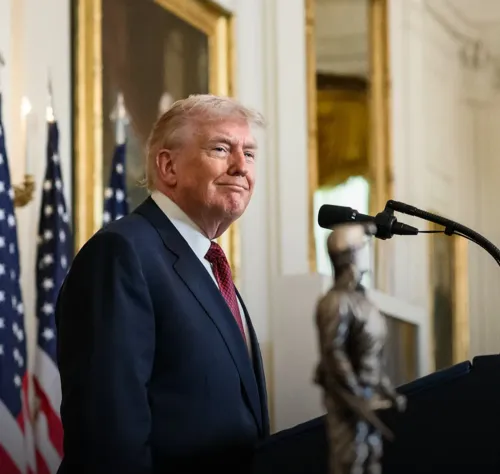
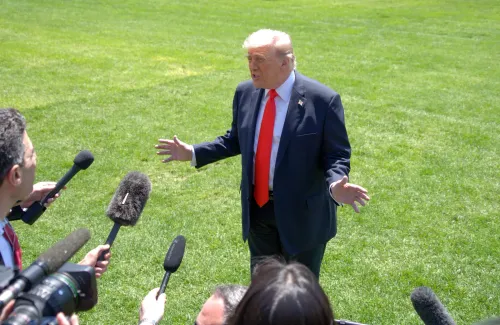
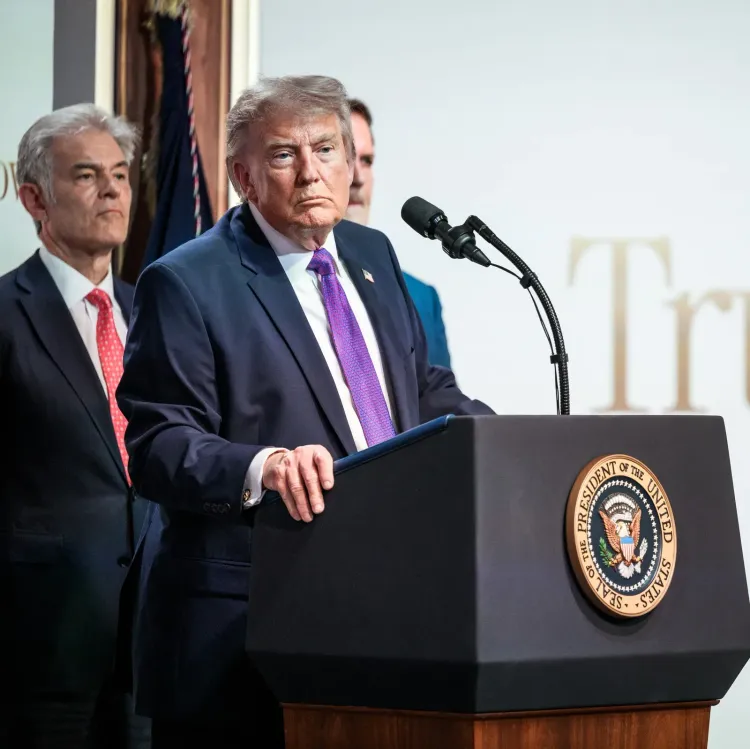
US President Donald Trump said on 31 May that the United States is close to finalising a nuclear agreement with Iran, while making clear that military action remains firmly on the table if diplomacy falls short. Speaking in an interview at the White House with Fox News, Trump said his administration's overriding priority is ensuring Tehran never acquires a nuclear weapon.
What Trump Said
'We're close to a very good deal, and if we can make it good, otherwise we just start up with the Department of War, as we call it,' Trump said. He described the negotiations as difficult but said progress was being made. 'Very tough negotiators. It takes a long time,' he added. 'Slowly but surely, we're getting, I think, what we want.'
Key Terms Under Discussion
Trump revealed that Iran had agreed to language explicitly barring it from developing or acquiring a nuclear weapon — a broader formulation than earlier drafts. He said he personally pushed to expand the clause after raising concerns about Iran potentially obtaining a weapon from a third country. 'They originally said we will not develop a nuclear weapon. I said, well, what happens if you buy a nuclear weapon?' Trump said. 'Now it says we will not develop or in any way purchase a military weapon.'
The Military Threat and Red Lines
Trump reiterated that the US would act if its core demands were not satisfied. 'If we don't get what we want, we're going to end it a different way,' he said. Asked what would constitute an unacceptable outcome, Trump said: 'A deal that wasn't going to be good for us is the line ultimately.' He argued that Iran is negotiating from a position of weakness following recent US military operations, without specifying the operations in question.
Strait of Hormuz and Economic Stakes
Trump also tied any final agreement to the immediate reopening of the Strait of Hormuz, a critical global oil chokepoint. 'Number one, the Strait has to be opened immediately, and has to be free, no tolls… and number two is they can't have a nuclear weapon,' he said. The Strait handles roughly 20% of global oil trade, making its status a high-stakes economic variable alongside the security dimensions of the talks.
Broader Context
The remarks come as the Trump administration continues efforts to lock in a long-term settlement with Tehran after months of escalating tensions across the Middle East. Trump dismissed suggestions that next year's midterm elections were shaping his approach, saying simply: 'I have to do what's right.' He also used the interview to criticise US media coverage of the conflict and accused Democrats of blocking domestic priorities including tax cuts and border security measures. Notably, this is not the first time Trump has simultaneously dangled a diplomatic offer and a military threat toward Iran — a pattern that has defined his administration's approach to the Islamic Republic across both terms.
Point of View
Closing a loophole that earlier frameworks left open, but verification remains the unresolved core of any Iran nuclear agreement. Tying the deal to the Strait of Hormuz reopening adds an economic lever that could either accelerate agreement or give Tehran a new point of leverage. The midterm-election disclaimer is worth noting: historically, US administrations facing domestic pressure have either rushed deals or hardened positions on Iran. The trajectory of these talks will test which instinct dominates this time.
NationPress
25 Sept 2026
Frequently Asked Questions
How close is the US to a nuclear deal with Iran?
President Trump said on 31 May that the US is 'close to a very good deal' with Iran, though he cautioned that negotiations remain difficult and time-consuming. No signing date or final framework has been publicly announced.
What are the key conditions Trump is demanding from Iran?
Trump has outlined two core conditions: Iran must not develop or purchase a nuclear weapon, and the Strait of Hormuz must be reopened immediately and kept toll-free. He said Iran has already agreed to the no-weapon language in principle.
Why did Trump expand the nuclear clause to include 'purchasing' a weapon?
Trump said he personally raised the concern that Iran could circumvent a 'no-development' pledge by acquiring a weapon from a third country. The revised language now bars Iran from both developing and purchasing a nuclear weapon.
What happens if the Iran nuclear talks fail?
Trump warned that if the US does not get what it wants, it will 'end it a different way' — a clear reference to military action. He described a deal unfavourable to US interests as the red line that would trigger an alternative response.
What is the significance of the Strait of Hormuz in these talks?
The Strait of Hormuz is a critical global oil chokepoint through which roughly 20% of world oil trade passes. Trump has made its immediate, toll-free reopening a non-negotiable condition of any final agreement, adding a major economic dimension to the security-focused negotiations.