Trump on Iran nuclear deal: 'They cannot have a nuclear weapon'
Synopsis
At the White House Correspondents' Dinner, Trump signalled Iran wants a deal — then slammed the door on any path to an Iranian nuclear weapon. His unverified claims of devastating US military strikes on Iran's navy, air force, and drone fleet add a new and contested dimension to an already volatile standoff.
Key Takeaways
President Donald Trump said on 25 July that Iran is 'talking to us right now' and would 'love to make a deal.' Trump drew a firm red line: 'They cannot have a nuclear weapon,' warning Iran 'would use it if they had it.' He claimed US military action had destroyed Iran's navy and air force, including ' 250 jets ' and ' 159 boats ' — without providing supporting evidence.
Trump withdrew the US from the 2015 JCPOA during his first term; he insists any new deal must permanently bar Iran from nuclear weapons.
Iran maintains its nuclear programme is for peaceful civilian purposes.
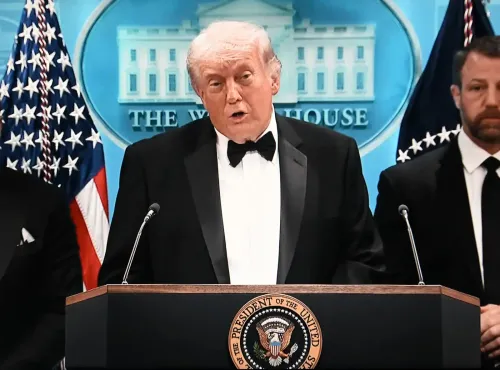
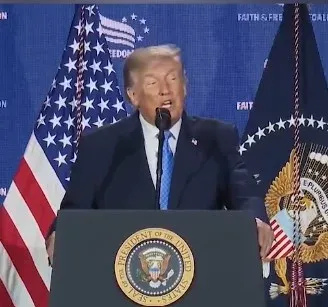
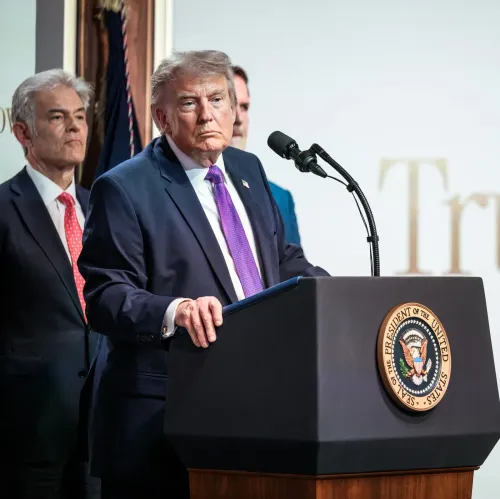
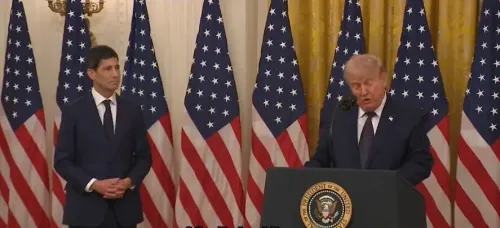
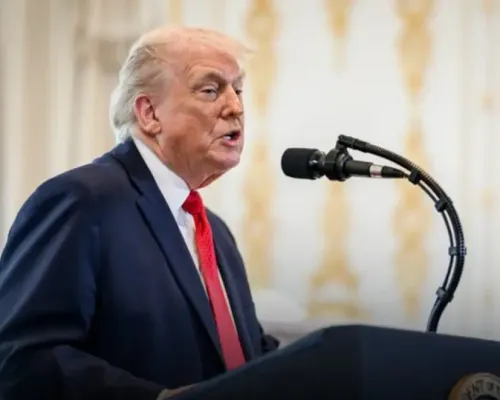
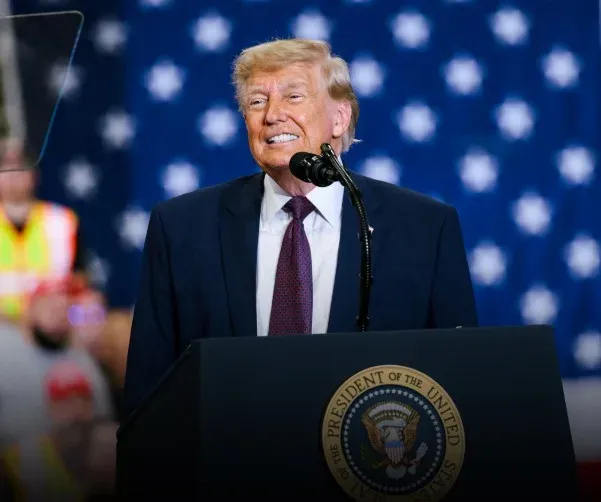
US President Donald Trump declared on 25 July that Iran is actively seeking negotiations with Washington but drew a firm red line, stating that Tehran would never be permitted to acquire a nuclear weapon. Trump made the remarks at the White House Correspondents' Dinner, using the high-profile event to reiterate one of his administration's core foreign policy positions.
What Trump Said on Iran Talks
'They are talking to us right now. They'd love to make a deal,' Trump said, before tempering expectations. 'I don't think they're ready to. I don't think it's time yet. But I'm willing to listen,' he added.
The President was unequivocal on the nuclear question. 'They cannot have a nuclear weapon,' he said, warning that a nuclear-armed Iran would pose an existential threat not just to the United States but to Israel and the broader Middle East. 'We don't want to see Washington D.C. or any of our cities or Israel or, frankly, the Middle East destroyed with a nuclear weapon,' he said. 'And they would use it if they had it.'
Claims of Military Degradation
Trump also claimed that recent US military action had significantly degraded Iran's armed forces, though he offered no supporting evidence during his remarks. He asserted that Iran's navy and air force were 'gone' and claimed the country had lost '250 jets', '159 boats', radar systems, and much of its drone capability. 'They don't have much left,' he said.
Notably, these claims have not been independently verified, and no official military assessment was cited to corroborate the figures.
The Nuclear File: Two Decades of Tension
Iran's nuclear programme has been a central flashpoint in US foreign policy for nearly two decades. During his first term, Trump withdrew the United States from the landmark 2015 nuclear agreement — formally known as the Joint Comprehensive Plan of Action (JCPOA) — and has consistently maintained that any future deal must permanently bar Tehran from acquiring nuclear weapons. Iran has repeatedly insisted its nuclear programme is intended solely for peaceful civilian purposes.
This is the latest in a series of public statements by Trump underscoring that denuclearisation of Iran remains the non-negotiable centrepiece of his administration's Iran strategy.
Broader Remarks at the Dinner
The nuclear and Iran comments were among the few substantive foreign policy passages in an otherwise hour-long address that ranged across humour, media criticism, and political commentary. Trump opened his remarks by condemning political violence and praising the Secret Service and law enforcement officers who responded to a shooting that had forced the postponement of the original April event.
Trump also claimed the United States had dramatically restored its global standing during his second term, citing conversations with Chinese President Xi Jinping and Saudi leaders who, he said, described America as 'the hottest country anywhere in the world.' 'We were a dead country two years ago,' Trump said. 'We're on the cusp of something. This is the golden age of America.'
What Comes Next
With Iran reportedly open to dialogue but no formal talks yet scheduled, the trajectory of any prospective deal remains uncertain. Analysts will be watching whether Trump's public signalling translates into a structured diplomatic channel, and whether Tehran's posture shifts in response to the administration's stated military and diplomatic pressure.
Point of View
And inflating battlefield success at a dinner speech is a different matter from a formal intelligence briefing. More substantively, the US has been here before: maximum pressure in Trump's first term did not produce a deal, and Iran's nuclear programme advanced rather than retreated. Whether a second round of the same strategy yields a different outcome depends on factors — Iranian domestic politics, regional alignments, sanctions enforcement — that a dinner speech cannot resolve.
NationPress
24 Oct 2026
Frequently Asked Questions
What did Trump say about Iran at the White House Correspondents' Dinner?
Trump said Iran is currently in talks with Washington and 'would love to make a deal,' but he insisted the US would never allow Tehran to acquire a nuclear weapon. He made the remarks on 25 July at the White House Correspondents' Dinner.
Has the US struck Iran militarily?
Trump claimed at the dinner that recent US military action had significantly degraded Iran's armed forces, including its navy, air force, and drone capability. However, he offered no evidence during his remarks, and the claims have not been independently verified.
What is the US position on Iran's nuclear programme?
The Trump administration's stated position is that Iran must never be permitted to obtain a nuclear weapon. Trump withdrew the US from the 2015 JCPOA in his first term and has said any future agreement must permanently foreclose an Iranian nuclear capability.
What is Iran's stated position on its nuclear programme?
Iran has consistently maintained that its nuclear programme is intended for peaceful civilian purposes and is not directed at developing a weapon.
Are formal US-Iran nuclear talks underway?
Trump indicated that Iran is in contact with Washington and is open to a deal, but he said he did not believe the time was right yet. No formal negotiations have been publicly confirmed.