Trump claims secret US military ops in Strait of Hormuz for months
Synopsis
Trump has revealed — or claimed — that US forces were covertly operating inside one of the world's most critical oil chokepoints for months, striking Iranian ships and radar systems, all while a nuclear deal with Tehran was being negotiated. If true, it is one of the most consequential undisclosed military engagements in the Gulf in decades.
Key Takeaways
Donald Trump claimed on 12 June that US forces had been covertly operating in the Strait of Hormuz for several months.
Trump said American forces struck Iranian ships — up to 25 in a single night — and targeted Iranian radar systems .
He asserted that 'hundreds of millions of barrels of oil' were moved through the strait without public knowledge.
Trump linked the operations to a proposed Iran nuclear deal , saying the strait would be formally reopened once the agreement is signed.
The Strait of Hormuz carries an estimated 20% of global oil trade, connecting the Persian Gulf to the Arabian Sea.
No independent confirmation of the described operations was available at the time of publication.
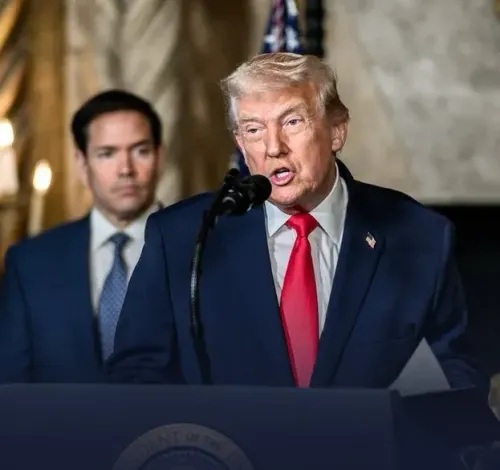
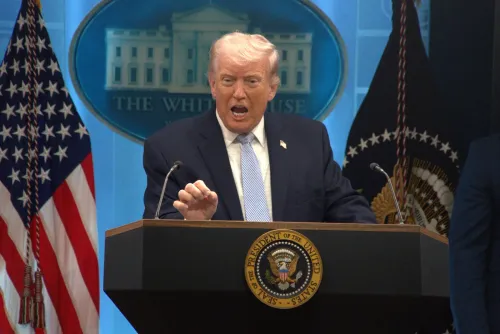
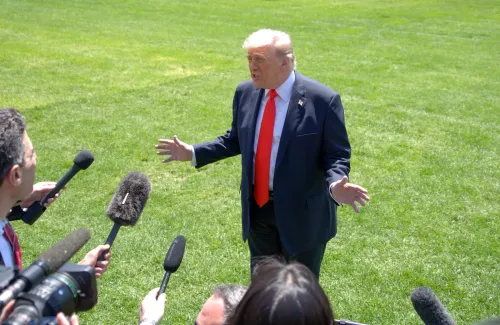
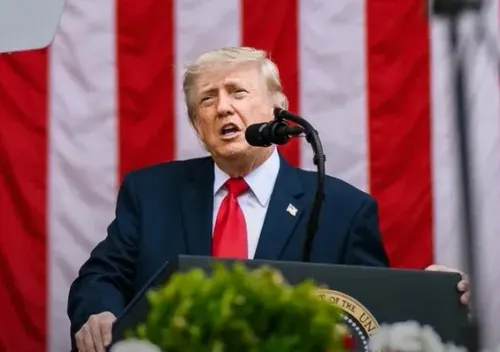
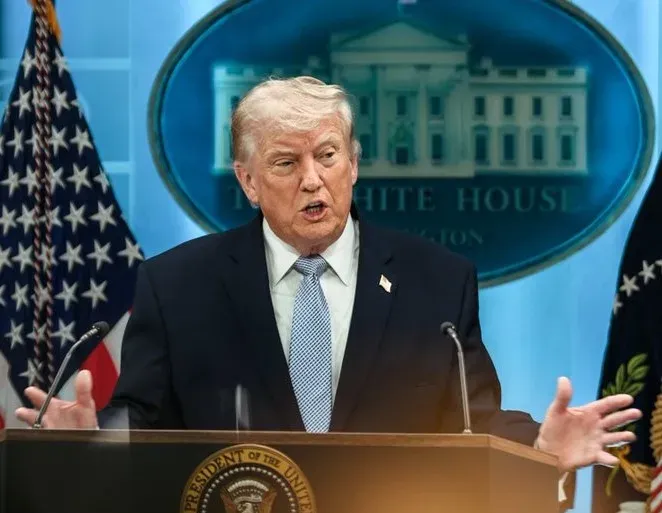
US President Donald Trump on 12 June claimed that American military forces had been conducting covert operations in and around the Strait of Hormuz for several months, moving ships and oil cargoes through the strategic waterway while targeting Iranian maritime assets — all ahead of a proposed nuclear agreement with Tehran. The disclosure, made at the White House, adds a significant military dimension to what had been presented primarily as a diplomatic process.
What Trump Said
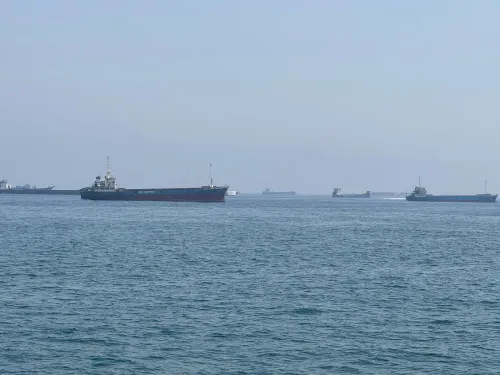
Speaking to reporters, Trump asserted that the operations had been deliberately kept out of public view. 'The Straits have been open for a number of months already, and you just didn't know about it,' he said, adding that US forces had moved 'many, many ships' and 'hundreds of millions of barrels of oil' through the passage without opposition.
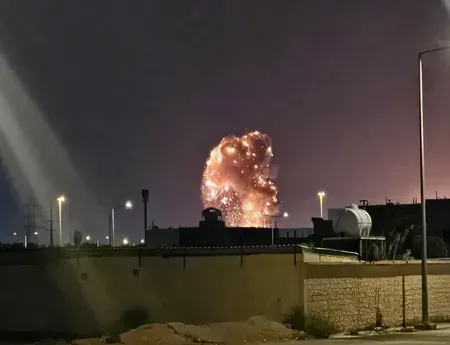
Trump went further, claiming that American forces had conducted repeated strikes on Iranian naval assets over the past month. 'Over the last month, we've been taking out ships,' he said. 'Some nights, 25 ships, some nights, 15.' He added that radar systems were also targeted: 'We bombed their radar and everything so they couldn't see what was going on.'
The Proposed Iran Deal
Trump linked the military operations directly to ongoing negotiations with Iran, suggesting the maritime restrictions would be formally lifted once a deal is signed. 'The Strait will open as soon as we have it signed,' he said, adding the agreement could come 'Saturday or Monday.' When asked whether the US would immediately remove the blockade after a deal, Trump replied: 'Yes that's true it's part of the deal.'
He also described the proposed understanding as a landmark diplomatic achievement. 'We have a deal that Iran will never have a nuclear weapon,' Trump said, framing it as a major breakthrough in long-running efforts to curb Tehran's nuclear ambitions.
Why the Strait of Hormuz Matters
The Strait of Hormuz connects the Persian Gulf with the Gulf of Oman and the Arabian Sea, serving as the primary export corridor for crude oil and liquefied natural gas from Saudi Arabia, the United Arab Emirates, Kuwait, Iraq, and Qatar. Any disruption to traffic through the strait has historically triggered sharp moves in global energy markets.
Trump argued that the covert operations explained why oil prices had remained relatively stable despite fears of a major supply disruption. 'That's why oil, even before this, the market couldn't understand why it was so free,' he said.
Implications and What Comes Next
The claims, if verified, would represent one of the most significant undisclosed US military engagements in the Gulf in recent years. No independent confirmation of the scale or nature of the described operations was available at the time of publication. Iran has not publicly responded to Trump's specific assertions.
This comes amid a broader pattern of US-Iran brinkmanship over the strait — a route through which an estimated 20% of global oil trade passes. Should the proposed agreement materialise and be formally signed, it would mark a dramatic reversal from years of maximum-pressure diplomacy and could reshape energy market expectations significantly.
Point of View
Shipping data, and regional intelligence networks. The timing of the disclosure, tied to an imminent deal announcement, suggests these claims may serve a negotiating or domestic political purpose as much as a factual one. If the operations did occur as described, the absence of any congressional notification or allied briefing would itself be a significant accountability question. And if the deal does not materialise on the timeline Trump suggested, the credibility cost compounds.
NationPress
20 Sept 2026
Frequently Asked Questions
What did Trump claim about US military operations in the Strait of Hormuz?
Trump claimed that US forces had been secretly operating in and around the Strait of Hormuz for several months, striking Iranian ships — sometimes as many as 25 in a single night — and destroying Iranian radar systems. He said the operations kept oil flowing through the strategic waterway without public knowledge.
What is the proposed Iran deal Trump referred to?
Trump described an agreement under which Iran would commit to never developing a nuclear weapon. He indicated the deal could be signed as early as the coming Saturday or Monday, and said the formal reopening of the Strait of Hormuz to unrestricted traffic is part of the agreement.
Why is the Strait of Hormuz strategically important?
The Strait of Hormuz is the world's most critical oil chokepoint, connecting the Persian Gulf with the Gulf of Oman and the Arabian Sea. It is the primary export route for crude oil and LNG from Saudi Arabia, the UAE, Kuwait, Iraq, and Qatar, and carries roughly 20% of global oil trade.
Has Iran responded to Trump's claims?
Iran had not publicly responded to Trump's specific assertions at the time of publication. No independent confirmation of the scale or nature of the operations described by Trump was available.
How did Trump explain stable oil prices during the Gulf tensions?
Trump argued that the covert US military operations — which he said kept ships and oil moving through the strait — explained why global oil markets remained relatively calm despite fears of a major supply disruption in the Gulf.