EU sets Ukraine 2028 accession deadline, approves $2.1bn Patriot missile sale
Synopsis
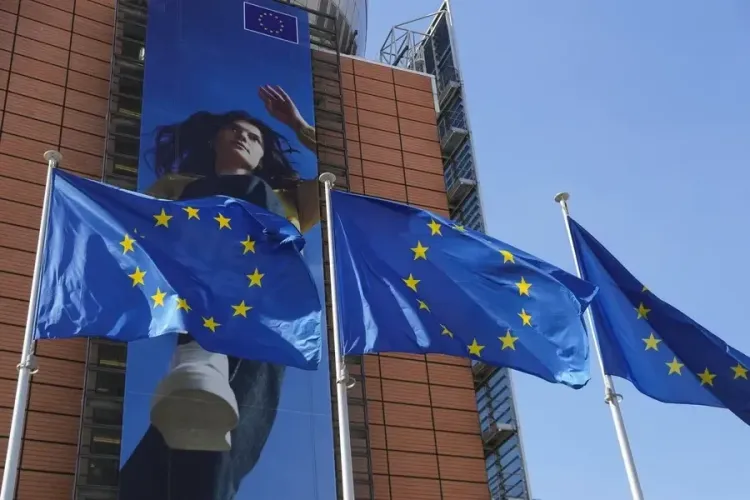
The EU has handed Ukraine a 2028 deadline to close membership talks — and Brussels is making clear the door stays open only if Kyiv delivers on rule-of-law and anti-corruption reforms. On the same day, the US approved a $2.1 billion Patriot missile package for Ukraine, funded entirely by allies. With Montenegro on the cusp of an accession treaty, the EU's eastern expansion is moving faster than at any point since 2004.
Key Takeaways
The European Commission presented accession roadmaps on 4 November 2026 for Ukraine , Montenegro , Albania , and Moldova .
Ukraine must conclude negotiations by end of 2028 ; it has opened 4 chapter groups and can now open all remaining groups.
Montenegro has provisionally closed 21 chapters and could finalise talks by end of 2026 , with an accession treaty already being drafted.
Albania targets 2027 ; Moldova targets early 2028 — both subject to reform delivery.
The US State Department approved a $2.1 billion sale of 500 Patriot PAC-3 MSE interceptors to Ukraine, to be funded entirely by allied nations .
A new pre-membership integration framework covering energy, transport, digital and defence sectors will launch dialogues within six months .
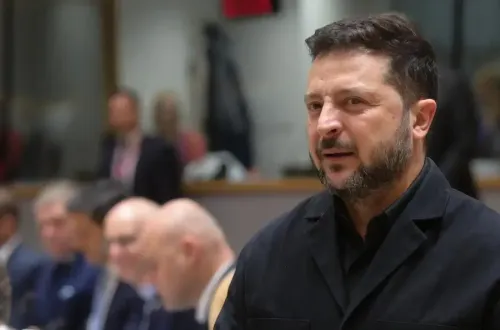
The European Commission on Wednesday, 4 November 2026 presented formal accession roadmaps for Ukraine, Montenegro, Albania, and Moldova, pressing Kyiv to accelerate domestic reforms and conclude membership negotiations by the end of 2028. The roadmaps were adopted as part of the Commission's annual enlargement package, reinforcing that EU membership remains conditional on sustained reform progress.
Ukraine's Accession Status
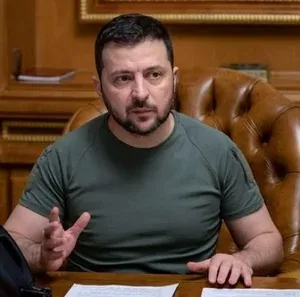
The Commission confirmed that Ukraine has opened four groups of negotiating chapters over the past year and now meets the conditions to open all remaining groups. However, Brussels urged Kyiv to prioritise rule-of-law benchmarks, democratic institutions, public administration reform, and an action plan on national minorities.
The Commission noted that Ukraine's specialised anti-corruption institutions have continued to operate 'overall independently and effectively,' a qualified but significant acknowledgement given past concerns about graft within the Ukrainian state apparatus.
Where Other Candidates Stand
Montenegro remains the frontrunner, having provisionally closed 21 negotiating chapters. The Commission indicated it could close the remaining chapters by the end of 2026, with work on its accession treaty already under way — the clearest signal yet that full membership is within reach for the Adriatic nation.
Albania is targeting conclusion of negotiations in 2027, while Moldova aims for early 2028. Both timelines are contingent on sustained reform delivery, the Commission stressed. This comes amid broader EU pressure to demonstrate that enlargement remains credible and achievable, not merely aspirational.
Pre-Membership Integration Framework
Beyond the individual roadmaps, the Commission proposed a common pre-membership integration framework covering sectors including energy, transport, digital infrastructure, and defence. Related sectoral dialogues are expected to begin within the next six months, allowing candidate states to align with EU standards before formal accession.
Notably, this framework signals a structural shift in EU enlargement strategy — moving away from a binary 'in or out' model toward a phased integration that provides practical benefits to candidates while keeping membership itself the ultimate prize.
US Approves $2.1 Billion Patriot Missile Sale to Ukraine
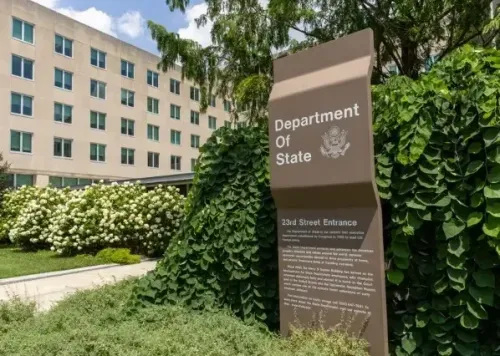
Separately, the US State Department approved a possible Foreign Military Sale to Ukraine of 500 Patriot PAC-3 Missile Segment Enhancement (MSE) interceptors and related equipment, at an estimated cost of $2.1 billion. Crucially, the purchase is to be funded entirely by allied and partner nations rather than by Washington.
The Bureau of Political-Military Affairs announced the approval and confirmed it had notified Congress. The package includes PAC-3 MSE classified and unclassified spare parts, along with logistics and programme support. Ukraine formally requested the 500 missiles, according to the congressional notification.
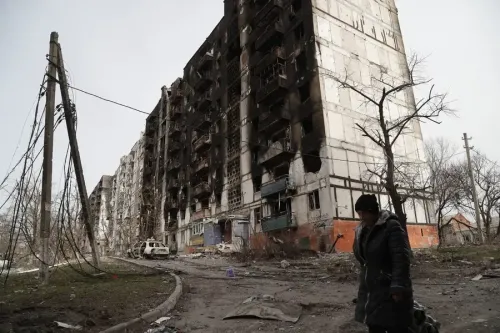
The sale underscores continued Western commitment to bolstering Ukraine's air-defence capabilities even as EU accession talks proceed on a parallel diplomatic track. With Montenegro potentially weeks from an accession treaty and Ukraine targeting 2028, the bloc's eastern expansion is entering its most consequential phase in two decades.
Point of View
' but not unconditionally. The parallel $2.1 billion Patriot sale, funded by allies rather than the US Treasury, reveals a Washington that wants to sustain Ukraine's defence without directly bearing the fiscal cost — a template likely to be repeated. What mainstream coverage underplays is the pre-membership integration framework: by embedding Ukraine and others into EU energy, transport and defence structures before formal accession, Brussels is quietly creating facts on the ground that make eventual membership harder to reverse politically.
NationPress
5 Nov 2026
Frequently Asked Questions
What is the EU's accession roadmap for Ukraine?
The European Commission's accession roadmap sets a target for Ukraine to conclude EU membership negotiations by the end of 2028. It requires Kyiv to advance on rule-of-law benchmarks, democratic institutions, public administration reform, and minority rights.
Which countries received EU accession roadmaps in November 2026?
The four countries are Ukraine, Montenegro, Albania, and Moldova. Montenegro is furthest along, having provisionally closed 21 negotiating chapters, while Albania targets 2027 and Moldova targets early 2028.
What is the $2.1 billion Patriot missile sale to Ukraine?
The US State Department approved a possible Foreign Military Sale of 500 Patriot PAC-3 Missile Segment Enhancement (MSE) interceptors to Ukraine, valued at an estimated $2.1 billion. The purchase will be funded entirely by allied and partner nations, not the United States.
How close is Montenegro to EU membership?
Montenegro is the closest of all current EU candidates to full membership. It has provisionally closed 21 negotiating chapters and could close the remaining ones by the end of 2026, with work on its accession treaty already under way.
What is the EU's pre-membership integration framework?
The European Commission has proposed a common framework allowing candidate countries to integrate into EU sectors — including energy, transport, digital infrastructure, and defence — before formal membership. Sectoral dialogues under this framework are expected to begin within six months.