CM Fadnavis Hails Mercedes-Benz Electric GLC Rollout in Pune
Synopsis
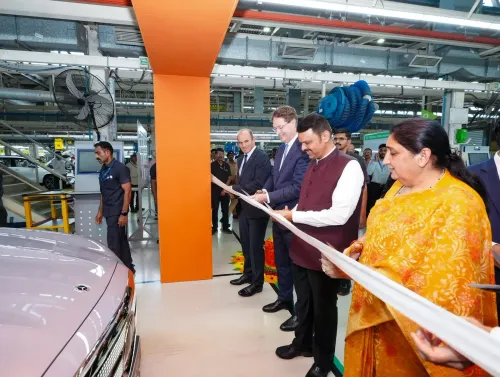
Maharashtra CM Devendra Fadnavis hailed the rollout of the Mercedes-Benz electric GLC from Pune on November 4, 2026, calling it a showcase of India's manufacturing ambition and Maharashtra's delivery capacity under the Make in India and FAME India frameworks.
Key Takeaways
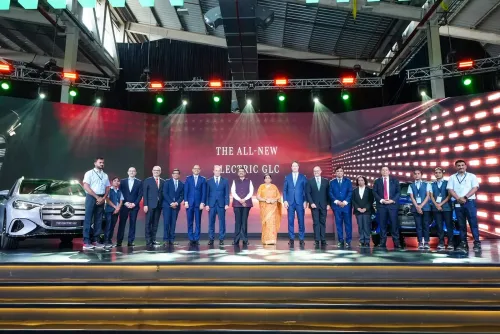
Mercedes-Benz rolled out the electric GLC from its Pune manufacturing facility on November 4, 2026 .
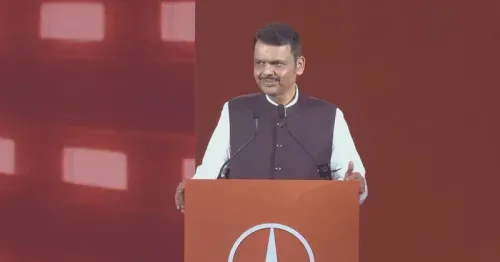
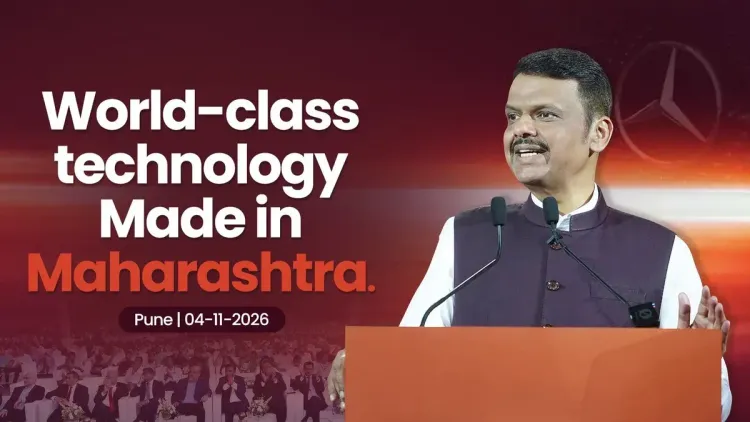
CM Devendra Fadnavis called it 'world-class technology, manufactured in Maharashtra' in a bilingual post on X.
The localisation marks a shift from assembling combustion-engine luxury cars to producing a flagship battery-electric model in India.
The rollout builds on the Make in India (2014) and FAME India (2015) policy frameworks targeting domestic EV manufacturing.
Maharashtra has positioned itself as the leading auto-sector investment destination, backed by Pune's established supplier ecosystem.
Further EV product launches and state-level EV policy updates remain the key developments to watch.
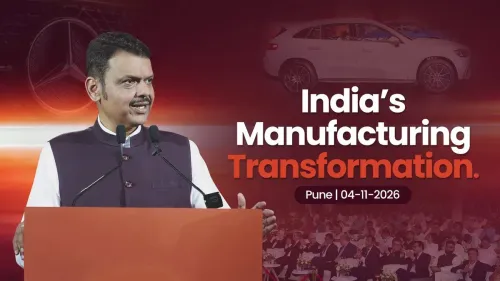
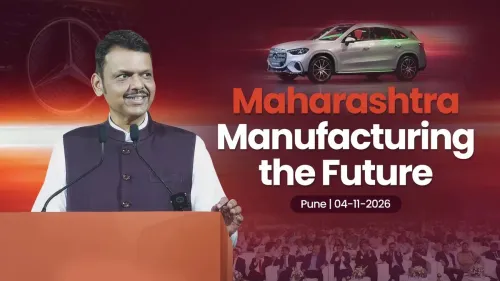
A German luxury icon, built on Indian soil. Maharashtra Chief Minister Devendra Fadnavis on Wednesday, November 4, 2026 celebrated the rollout of the Mercedes-Benz electric GLC from Pune, calling it a defining proof of what India can manufacture and Maharashtra can deliver to the world.
Posting in both English and Marathi, Fadnavis framed the moment in unmistakable terms: 'जागतिक दर्जाचे तंत्रज्ञान, महाराष्ट्रात उत्पादन!' ('World-class technology, manufactured in Maharashtra!'). The electric GLC rolling off a Pune assembly line is not just a product launch — it is a signal.
Pune's Mercedes Plant Delivers a Flagship EV
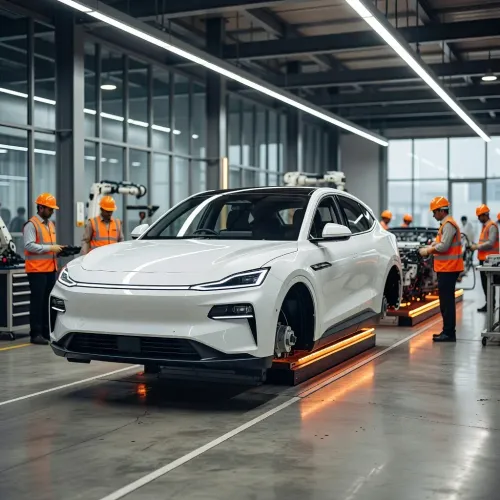
Mercedes-Benz has operated a manufacturing facility in Pune for years, assembling a range of its models for the Indian market. The localisation of the electric GLC — one of the brand's headline battery-electric vehicles globally — marks a qualitative step up: from assembling combustion-engine luxury cars to producing a full electric model on the same shop floor. That shift carries weight far beyond one vehicle line.
India's passenger EV market has grown rapidly, but the premium electric segment has largely been an import story. Domestic production of a flagship model by a marque like Mercedes-Benz changes that calculus, and it does so from Maharashtra — the state that has consistently punched above its weight in attracting auto-sector investment.
Make in India Meets the EV Era
The policy scaffolding behind this moment stretches back over a decade. The Make in India initiative, launched in 2014, specifically targeted global automakers, pushing them to deepen local supply chains rather than simply ship finished goods. The FAME India scheme, introduced in 2015, layered on incentives for electric vehicle manufacturing and adoption. Both programmes set the conditions; today's rollout is one of their more visible returns.
Under the broader Atmanirbhar Bharat framework, reducing import dependence in EVs has been an explicit goal. Having a world-class electric SUV built domestically — by a German manufacturer, to global spec — is a concrete tick against that target.
Maharashtra's Competitive Edge in the Auto Race
States across India have competed fiercely for auto-sector anchors, dangling land, power, and policy concessions. Maharashtra has held its position through a combination of infrastructure depth, an existing supplier ecosystem around Pune, and an administration that has made industrial investment a headline priority. Chief Minister Fadnavis has been the face of that pitch — from investor summits to factory floor visits — and Wednesday's post is consistent with that positioning.
The EV supply chain question is what to watch next. A local rollout at this level typically pulls component suppliers closer, creating downstream manufacturing density. If the electric GLC's Pune production scales, the ripple effect through Maharashtra's auto-ancillary sector could be significant. The statement has been made. Now comes the scorecard.
Point of View
The post signals dual audiences — global investors and domestic voters — simultaneously. The event also arrives at a time when India's EV policy ambitions are transitioning from incentive design to visible on-ground output, making a premium localised electric vehicle a politically and economically convenient proof point. The bigger test will be whether this triggers supply-chain deepening in Maharashtra or remains a headline assembly milestone.
NationPress
5 Nov 2026
Frequently Asked Questions
Where is the Mercedes-Benz electric GLC manufactured in India?
The Mercedes-Benz electric GLC is manufactured at the company's facility in Pune , Maharashtra. CM Devendra Fadnavis confirmed the rollout on November 4, 2026.
What did CM Devendra Fadnavis say about the Mercedes-Benz electric GLC?
Fadnavis called it 'world-class technology, manufactured in Maharashtra' and described it as a prime example of what India can build and Maharashtra can deliver.
How does the Mercedes-Benz electric GLC rollout relate to Make in India?
The local production of a flagship electric luxury SUV is a direct outcome of the Make in India initiative (2014), which encouraged global automakers to deepen domestic manufacturing rather than rely on imports.
What is Maharashtra's role in India's electric vehicle manufacturing?
Maharashtra , particularly Pune, is one of India's leading automotive manufacturing hubs, hosting global automakers and their EV production lines, backed by state-level investment incentives.
What is the FAME India scheme and how does it support EV production?
The FAME India (Faster Adoption and Manufacturing of Electric Vehicles) scheme, launched in 2015 , provides incentives for electric vehicle manufacturing and adoption, helping attract global EV production to India.