Strait of Hormuz deal possible by Wednesday, says US Treasury Secretary Bessent
Synopsis
US Treasury Secretary Scott Bessent put a concrete window on one of the most consequential diplomatic bets of 2025 — a possible deal to reopen the Strait of Hormuz by Wednesday. With Qatar shuttling draft language between Washington and Tehran, and Secretary of State Rubio separating the ‘immediate’ strait deal from the ‘ultimate’ denuclearisation goal, the diplomatic architecture is clearer than ever. Iran’s silence, however, is the wildcard.
Key Takeaways
US Treasury Secretary Scott Bessent said on 4 August that a deal to reopen the Strait of Hormuz could be reached by Wednesday .
Bessent indicated the arrangement would ensure ‘freedom of movement’ for ships, dismissing the idea of Iranian tolls.
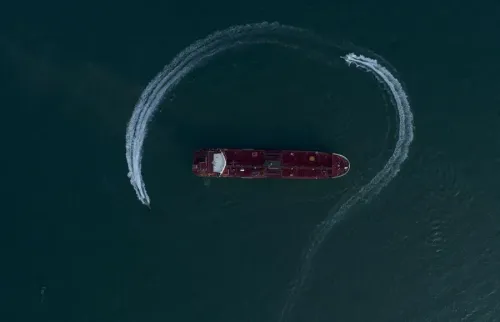
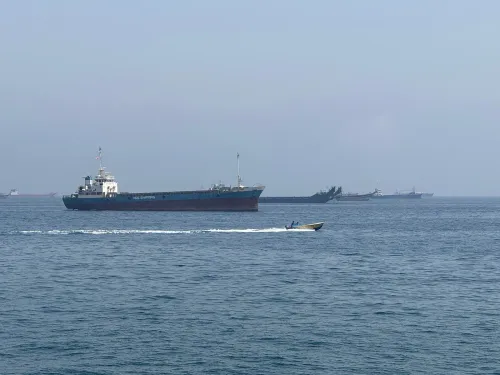
Hundreds of ships are reportedly stranded in the Gulf ; Bessent said prices should fall once they can exit.
Secretary of State Marco Rubio described Hormuz reopening as the ‘immediate deal’ and Iran’s denuclearisation as the ‘ultimate deal.’ Qatar confirmed active mediation with draft agreement language being exchanged, but set no timeline for a final deal.
Iranian officials had made no public response to the US remarks as of Tuesday.
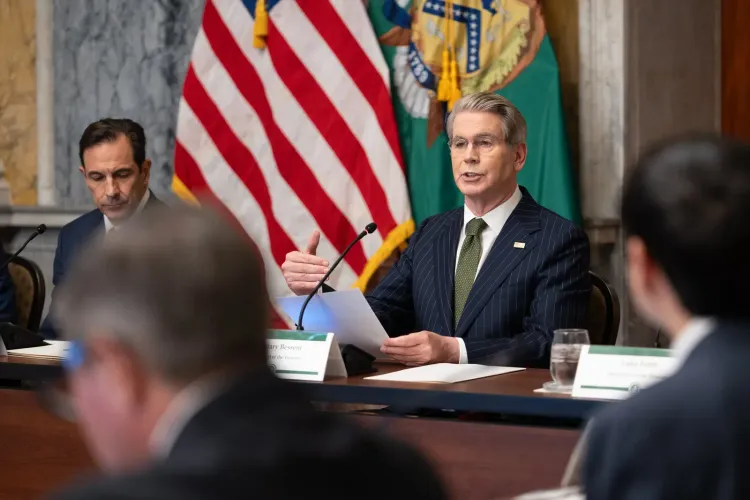
US Treasury Secretary Scott Bessent said on Tuesday, 4 August that Washington and Tehran could reach a deal to reopen the Strait of Hormuz as early as Tuesday or Wednesday, raising hopes of a breakthrough in one of the world's most consequential maritime chokepoints. The remarks signal a significant diplomatic acceleration even as no final agreement has been confirmed.
What Bessent Said
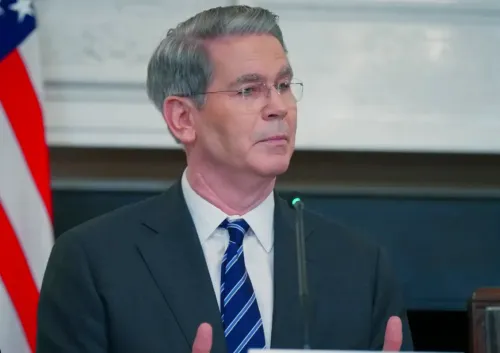
“We are in talks with the Iranians, and I think there is a chance we may have a deal today or tomorrow to open the strait and move towards a more normalised position in this conflict,” Bessent said in a television interview. When asked whether Iran would be permitted to levy a toll on vessels transiting the strait, Bessent indicated the arrangement would amount to “freedom of movement.”
He further noted that prices should fall further once hundreds of ships currently stranded in the Gulf are able to exit. Bessent stressed that the economic impact extends well beyond crude oil, encompassing fertilisers, refined petroleum products, and industrial gases — commodities critical to global supply chains.
Rubio Draws a Line Between 'Immediate' and 'Ultimate' Goals
US Secretary of State Marco Rubio offered a clearer hierarchy of American objectives on Tuesday. Speaking to reporters, Rubio described the denuclearisation of Iran as Washington’s “ultimate deal,” while framing the Strait of Hormuz reopening as the “immediate” priority. “So the denuclearisation of Iran is the ultimate deal. I think the immediate deal, the one that you see a lot of focus on, is the Strait,” Rubio said. He added that there is no final agreement yet but expressed hope it would materialise “very shortly.”
Qatar's Mediation Role
Qatar confirmed on Tuesday that mediation efforts between the United States and Iran remain active, with draft language for a possible agreement continuing to be exchanged between the two sides. Majed Al Ansari, adviser to Qatar’s prime minister and spokesperson for the Ministry of Foreign Affairs, said at a weekly press briefing that no direct talks between Washington and Tehran were scheduled, but expressed hope that ongoing mediation would soon lead to a resumption of formal negotiations. Al Ansari cautioned that no timeline for a final agreement could be set.
Iran Yet to Respond
Iranian officials had made no public response to the American remarks as of Tuesday. The silence from Tehran leaves the timeline uncertain, even as US officials project cautious optimism. This comes amid weeks of heightened tension over the strait, through which an estimated 20% of global oil trade passes — making its closure one of the most disruptive scenarios for world energy markets.
What Happens Next
Regional mediators, led by Qatar, are working to prevent further escalation while draft agreement language is refined. Markets and shipping operators will be watching closely; a confirmed reopening could ease energy price pressures globally. Whether Washington and Tehran can bridge remaining gaps before Bessent’s self-imposed Wednesday window remains the central question.
Point of View
Denuclearisation later) is strategically significant: it allows Washington to claim a win on energy security without conceding ground on the nuclear file. But Iran’s studied silence suggests Tehran is in no hurry to hand the US a headline. Qatar’s mediation role also deserves scrutiny — Doha has skin in the game as a major LNG exporter whose own shipping lanes run through the Gulf. The real test is whether any Hormuz agreement includes enforcement mechanisms or remains a gentleman’s understanding that can unravel at the next provocation.
NationPress
19 Sept 2026
Frequently Asked Questions
What is the Strait of Hormuz deal that the US is negotiating?
The US is in talks with Iran to reopen the Strait of Hormuz, a critical maritime chokepoint through which roughly 20% of global oil trade passes. Treasury Secretary Scott Bessent said on 4 August that a deal could be reached as early as Tuesday or Wednesday, with terms centred on freedom of movement for ships.
Who is mediating between the US and Iran on the Strait of Hormuz?
Qatar is serving as the primary mediator, with draft agreement language being exchanged between Washington and Tehran through Doha. Qatar’s foreign ministry spokesperson Majed Al Ansari confirmed the mediation is active but said no timeline for a final agreement could be set.
What is the US position on Iran charging tolls at the Strait of Hormuz?
Treasury Secretary Bessent indicated the US position is that any deal must guarantee ‘freedom of movement,’ effectively ruling out Iranian tolls on transiting vessels. The arrangement, as described, would restore normal shipping access without a fee structure.
How does the Strait of Hormuz closure affect India and global markets?
Bessent noted the impact extends beyond crude oil to include fertilisers, refined petroleum products, and industrial gases — all of which are critical imports for India and other emerging economies. Hundreds of ships are reportedly stranded in the Gulf, and a reopening could ease price pressures across these commodity categories.
Has Iran responded to the US remarks about a Hormuz deal?
As of Tuesday, 4 August, Iranian officials had made no public response to the statements by Bessent and Rubio. The absence of a reaction from Tehran leaves the timeline for any agreement uncertain despite US optimism.