Qatar intensifies Strait of Hormuz mediation as crisis risks escalation
Synopsis
Qatar is racing to broker a diplomatic solution to the Strait of Hormuz crisis, warning that failure risks further escalation — even as Iran publicly rebukes the EU for backing US-led economic pressure and the Trump administration tightens its 'most crushing' sanctions operation. With no breakthrough yet, global energy markets are watching every diplomatic signal from Doha.
Key Takeaways
Qatar confirmed on 1 September that mediation efforts over the Strait of Hormuz crisis are intensifying, with no 'tangible result' yet to announce.
Spokesperson Majed Al Ansari said Qatar is working toward a diplomatic resolution that keeps the strait open for regional and global trade.
Iranian spokesman Esmaeil Baghaei condemned EU support for the US-led Operation Economic Outcast , saying Europe had abandoned 'strategic autonomy.' The EU, at the G20 meeting in Asheville , welcomed additional economic pressure on Iran while also calling for continued diplomacy.
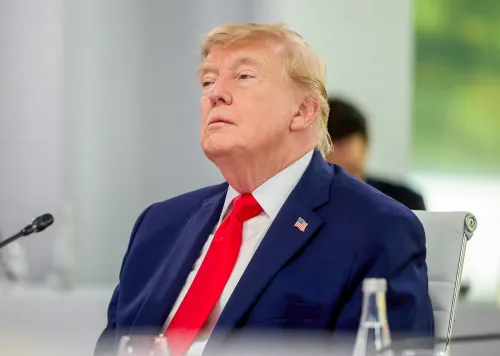
US President Donald Trump launched Operation Economic Outcast on 19 August , describing it as the most severe economic action ever taken against a country.
Qatar on Tuesday, 1 September declared that diplomatic efforts with its regional partners are accelerating to secure a swift resolution to the Strait of Hormuz crisis, cautioning that an unresolved standoff risks further escalation with global consequences. The announcement came from Doha as a series of high-level consultations and diplomatic visits continued across the region.
What Qatar's Foreign Ministry Said
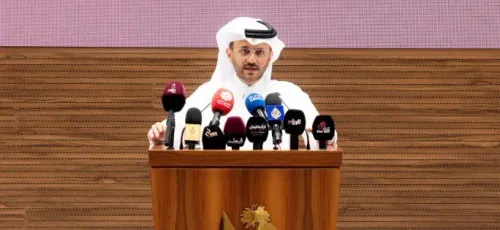
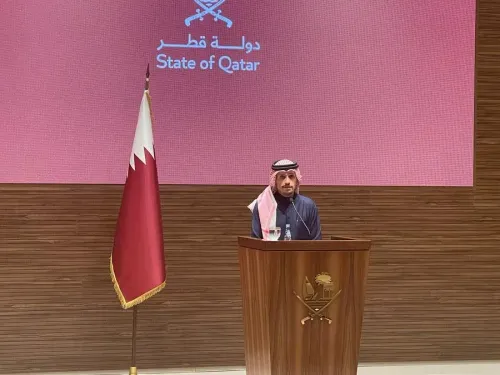
Speaking at the foreign ministry's weekly media briefing, ministry spokesperson Majed Al Ansari acknowledged that no 'tangible result' had yet been achieved but indicated that further outcomes from ongoing discussions would be disclosed in the coming days. He confirmed that Qatar's mediation efforts over the past several days had been specifically focused on the Strait of Hormuz situation.
Al Ansari stressed that Qatar was working with its partners toward 'a diplomatic resolution that guarantees that the strait is open.' He added that any lasting solution must allow regional products to reach global markets, ensure regional security, and address the aspirations of the region's peoples for prosperity and stability.
Iran Pushes Back on EU-US Pressure
The mediation push comes amid a sharp exchange between Iran and the European Union. On Monday, Iranian Foreign Ministry spokesman Esmaeil Baghaei condemned the EU's backing of a US-led economic operation against Tehran, arguing that Europe could no longer claim 'strategic autonomy' while, in his words, 'merely executing Washington's orders.'
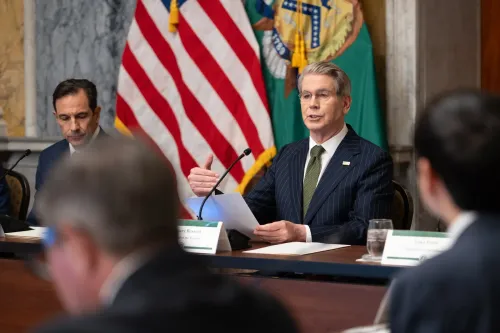
Baghaei made the remarks in a post on the social media platform X, responding to an EU statement issued at the G20 Finance Ministers and Central Bank Governors meeting in Asheville, United States. The EU statement had welcomed 'efforts aimed at ensuring that Iran ceases its destabilising activities and engages in peace negotiations in good faith, also through additional economic pressure, including through the US-led Operation Economic Outcast.'
Trump's 'Operation Economic Outcast'
The EU's reference to 'Operation Economic Outcast' traces back to 19 August, when US President Donald Trump announced what he described as 'the most crushing economic operation ever taken against any country,' warning that nations providing a lifeline to Iran would face 'tremendous economic consequences.' The operation has since drawn both allied support and fierce criticism from Tehran.
The EU, while endorsing economic pressure on Iran, simultaneously called for continued diplomacy to ensure regional stability and freedom of navigation through the Strait of Hormuz. Brussels said it remained ready to take further measures alongside the United States and other partners.
Why the Strait of Hormuz Matters
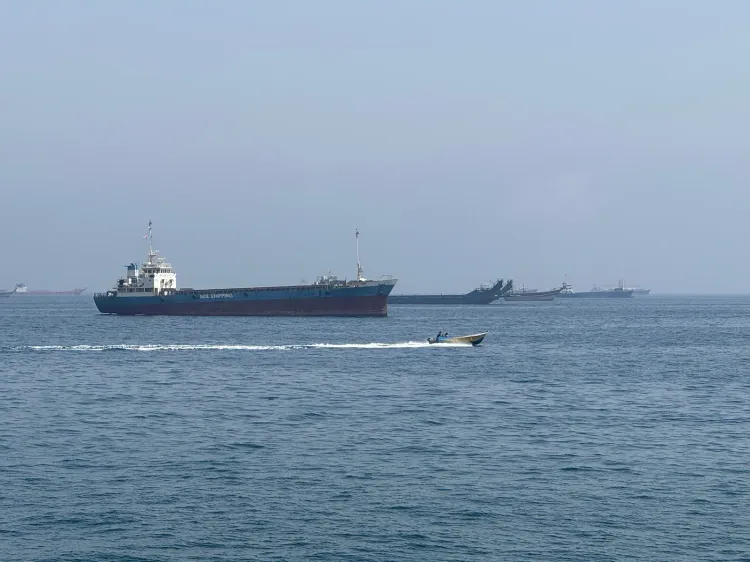
The Strait of Hormuz is one of the world's most critical maritime chokepoints, through which a significant share of global oil and liquefied natural gas exports transit daily. Any prolonged disruption would send energy prices sharply higher and reverberate through global supply chains — a risk that has prompted Qatar, a major LNG exporter itself, to take an active mediation role.
This is not the first time Qatar has positioned itself as a regional go-between; Doha has historically maintained open channels with both Western capitals and Tehran. With no breakthrough yet announced, the coming days of diplomacy will be closely watched by energy markets and regional governments alike.
Frequently Asked Questions
What is the Strait of Hormuz crisis?
The Strait of Hormuz crisis refers to rising tensions over freedom of navigation through the strategically vital waterway between Iran and Oman, through which a large share of global oil and LNG exports pass. The standoff has been aggravated by US-led economic pressure on Iran and Tehran's warnings over regional security.
What is Qatar's role in the Strait of Hormuz mediation?
Qatar is acting as a diplomatic mediator, holding consultations with regional partners to find a resolution that keeps the strait open for international trade. Spokesperson Majed Al Ansari said discussions are ongoing but no tangible result has been announced yet.
What is Operation Economic Outcast?
Operation Economic Outcast is a US-led economic pressure campaign against Iran announced by President Donald Trump on 19 August. Trump described it as the most crushing economic operation ever taken against any country, warning that nations aiding Iran would face severe economic consequences.
Why did Iran criticise the EU over the Strait of Hormuz?
Iranian Foreign Ministry spokesman Esmaeil Baghaei condemned the EU for welcoming US-led economic pressure on Iran at the G20 meeting in Asheville. He argued that Europe could no longer claim strategic autonomy while, in his words, executing Washington's orders.
Why does the Strait of Hormuz matter to global markets?
The Strait of Hormuz is one of the world's most critical maritime chokepoints for energy trade. A prolonged closure or disruption would spike global oil and gas prices and disrupt supply chains, making a diplomatic resolution a matter of international economic urgency.