Qatar PM, Saudi FM discuss de-escalation amid US-Iran tensions

Synopsis
With US-Iran airstrikes still fresh and a Houthi-Saudi Red Sea front opening, Qatar's PM and Saudi FM held an urgent phone call on 26 July to coordinate de-escalation — while Iran and Oman quietly worked out Strait of Hormuz navigation rules in Tehran. The dual diplomatic tracks reveal how hard Gulf states are working to keep the region's most critical shipping lane open.
Key Takeaways
Qatar's PM Sheikh Mohammed bin Abdulrahman and Saudi FM Prince Faisal bin Farhan spoke by phone on 26 July on regional de-escalation.
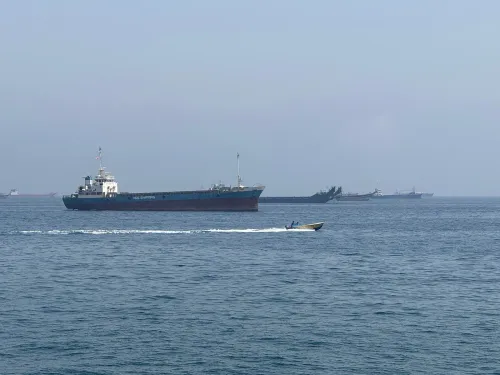
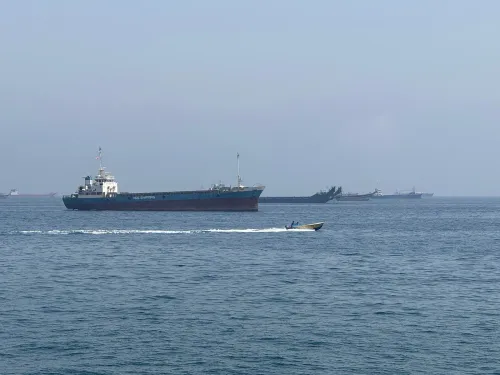
Sheikh Mohammed called for implementation of the US-Iran peace MoU and protection of freedom of navigation through the Strait of Hormuz .
The call came amid recent US-Iran airstrikes and a new Red Sea conflict front involving Yemen's Houthis and Saudi Arabia .
Iran and Oman held Deputy Foreign Minister-level talks in Tehran on Friday and Saturday on Hormuz navigation safety.
Iran's spokesperson Esmaeil Baqaei confirmed talks were 'useful and forward-looking' with no current change in Hormuz maritime traffic status.
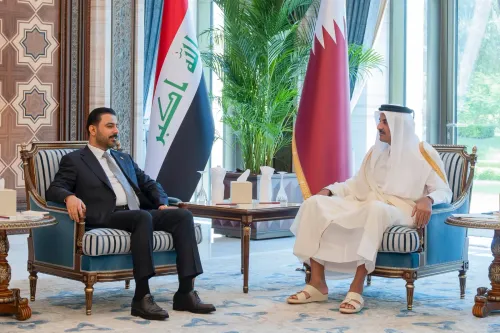
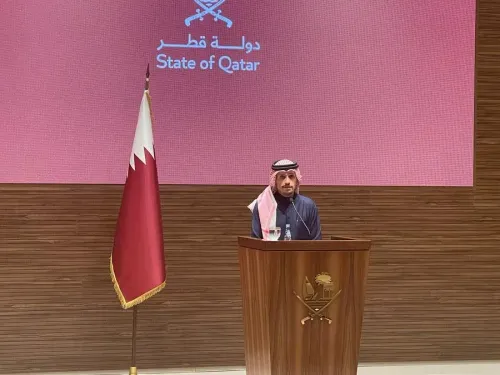
Qatari Prime Minister and Minister of Foreign Affairs Sheikh Mohammed bin Abdulrahman bin Jassim Al Thani on Sunday, 26 July held a phone conversation with Saudi Foreign Minister Prince Faisal bin Farhan Al Saud to review the latest regional developments and coordinate efforts to reduce tensions across the Gulf. The call, confirmed by Qatar's Ministry of Foreign Affairs, centred on diplomatic pathways to stability amid escalating confrontations in the region.
Key Positions Discussed
Sheikh Mohammed underscored the necessity of committing to dialogue and diplomacy as the primary tools for conflict resolution. He specifically called for the implementation of the US-Iran peace Memorandum of Understanding (MoU) and stressed the importance of ensuring freedom of navigation through the Strait of Hormuz to protect regional security and stability, according to the Qatari foreign ministry statement.
He also reaffirmed Qatar's unconditional support for all efforts aimed at easing tensions and reaching a comprehensive agreement for lasting peace across the region. The two ministers additionally reviewed bilateral Saudi-Qatari ties and explored ways to deepen cooperation.
Regional Context: Why the Call Matters
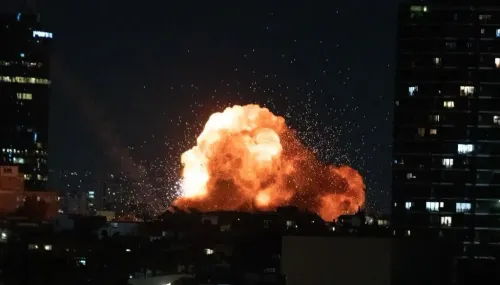
The conversation took place against a backdrop of sharply escalating regional tensions following recent exchanges of airstrikes between the United States and Iran. A new front has also emerged in the Red Sea, involving Yemen's Houthi forces and Saudi Arabia, adding a further layer of complexity to an already volatile security environment. This is not the first such Gulf diplomatic outreach in recent weeks — Qatar has positioned itself as a key interlocutor given its historically neutral diplomatic posture and ties with multiple regional actors.
Iran-Oman Talks on Strait of Hormuz
Separately, Iran and Oman held multiple rounds of technical talks in Tehran to establish arrangements for safe maritime navigation through the Strait of Hormuz. Iran's Foreign Ministry spokesperson Esmaeil Baqaei described the discussions as 'useful and forward-looking,' noting that progress had been achieved.
Baqaei told reporters on Sunday that the talks were conducted on Friday and Saturday at the level of Deputy Foreign Ministers. The discussions covered common principles and practical mechanisms to ensure safe maritime traffic through the strategic waterway, while respecting the sovereign rights of both littoral states, according to Iran's official state media.
The Omani delegation departed Tehran on Saturday, though both nations confirmed that technical and political consultations would continue. Baqaei stated that as of Sunday, there had been no change in the status of maritime traffic through the Strait of Hormuz.
What Comes Next
The diplomatic flurry signals that Gulf states are actively working to contain the fallout from US-Iran hostilities before they disrupt critical shipping lanes. The Strait of Hormuz handles roughly 20% of global oil trade, making any disruption a matter of international economic consequence. Further rounds of Iran-Oman consultations are expected, and Qatar's mediation role could prove pivotal if direct US-Iran negotiations stall.
Point of View
But its leverage depends on Washington and Tehran both wanting an off-ramp, which is not guaranteed. The Strait of Hormuz angle is the one to watch: Baqaei's assurance of 'no change' in maritime traffic is reassuring today, but the Iran-Oman talks themselves signal that all parties recognise how quickly that could change. The real test of this diplomatic momentum will come if another round of airstrikes occurs — and whether the MoU holds.
NationPress
26 Oct 2026
Frequently Asked Questions
Why did Qatar's PM and Saudi Arabia's FM hold a phone call on 26 July?
The two ministers spoke to coordinate responses to escalating regional tensions, including recent US-Iran airstrikes and a new Red Sea conflict involving Yemen's Houthis and Saudi Arabia. Qatar's PM stressed dialogue, the US-Iran peace MoU, and freedom of navigation through the Strait of Hormuz.
What is the US-Iran peace MoU mentioned in the Qatar statement?
The Memorandum of Understanding is a peace framework between the United States and Iran that Qatar's PM Sheikh Mohammed called on both sides to implement as part of broader de-escalation efforts. Specific terms of the MoU were not detailed in the statement.
What were the Iran-Oman talks in Tehran about?
Iran and Oman held Deputy Foreign Minister-level technical talks in Tehran on Friday and Saturday to establish principles and mechanisms for safe maritime navigation through the Strait of Hormuz, while respecting the sovereign rights of both countries. Iran's spokesperson described the talks as 'useful and forward-looking.'
Is navigation through the Strait of Hormuz currently disrupted?
As of Sunday 26 July, Iran's Foreign Ministry spokesperson Esmaeil Baqaei stated there had been no change in the status of maritime traffic through the Strait of Hormuz. However, Iran and Oman are continuing consultations to formalise safety arrangements.
What is the significance of the Strait of Hormuz in this context?
The Strait of Hormuz is one of the world's most critical shipping lanes, through which a significant share of global oil trade passes. Any disruption caused by US-Iran hostilities would have far-reaching economic consequences, making it a central focus of current Gulf diplomatic efforts.