Qatar PM, Iran FM discuss US-Iran mediation and Strait of Hormuz tensions
Synopsis
Qatar's PM warned that closing the Strait of Hormuz would deepen the Gulf crisis — even as Iran reportedly suspended US-mediation talks in protest over Israeli strikes on Beirut. With Pakistani and Qatari mediation under strain and Iran's military command issuing evacuation warnings to northern Israel, the region's diplomatic architecture is under its most acute stress in months.
Key Takeaways
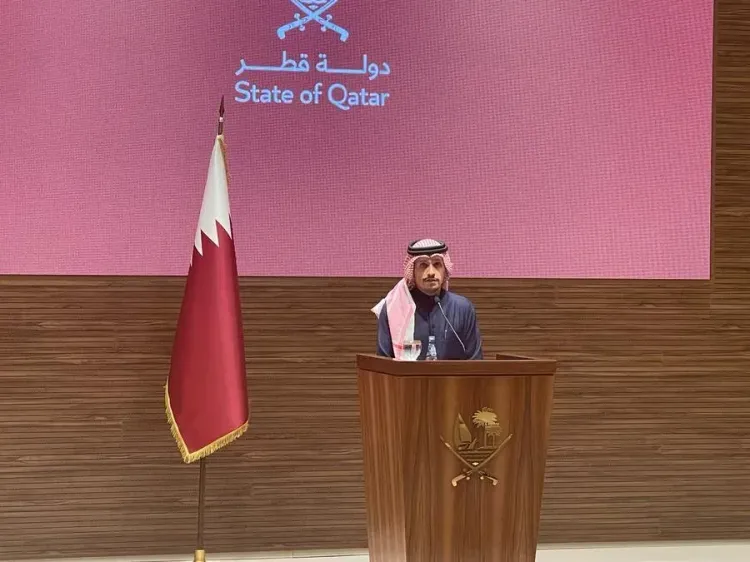
Qatar PM Sheikh Mohammed bin Abdulrahman Al-Thani spoke with Iranian FM Seyed Abbas Araghchi on 2 June to review regional developments and mediation efforts.
The two discussed Pakistani mediation between the US and Iran , as well as the latest situation in Lebanon .
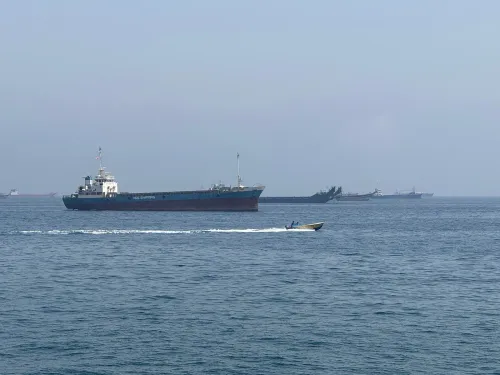
Qatar warned that closing the Strait of Hormuz or using it as leverage would jeopardise regional interests and deepen the crisis.
Iran reportedly suspended mediation talks and draft exchanges with the US in protest over Israeli military action in Lebanon , according to Tasnim news agency.
Iran's Khatam al-Anbiya Central Headquarters warned Israel against striking Beirut and Dahieh , urging evacuation of northern Israeli residents if attacks continued.
Iranian President Masoud Pezeshkian told Japanese PM Sanae Takaichi that US non-compliance and Israeli actions have complicated the diplomatic process.
Qatar's Prime Minister and Foreign Affairs Minister, Sheikh Mohammed bin Abdulrahman bin Jassim Al-Thani, held a telephone conversation with Iranian Foreign Minister Seyed Abbas Araghchi on Monday, 2 June, to review regional developments and ongoing diplomatic efforts, Qatar's Foreign Ministry confirmed in a statement.
Key Developments
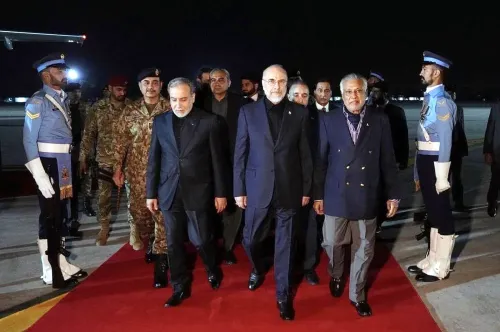
The two officials discussed Pakistani mediation efforts between the United States and Iran, as well as the deteriorating situation in Lebanon. Sheikh Mohammed reaffirmed Qatar's backing for a comprehensive agreement to resolve the crisis, urging all parties to engage constructively with mediation initiatives in pursuit of lasting peace and regional stability.
He also issued a pointed warning on maritime security, stressing that freedom of navigation is a non-negotiable principle. Closing the Strait of Hormuz — or deploying it as a pressure tool — would, he cautioned, only deepen the crisis and jeopardise the vital interests of regional states. The strait handles a significant share of global energy shipments, making any disruption a concern well beyond the Gulf.
Iran Warns Israel Over Beirut Strikes
Separately, Iran's principal military command, Khatam al-Anbiya Central Headquarters, on Monday warned Israel against bombing Beirut and its southern district of Dahieh, according to official Iranian reports. The command urged citizens in northern Israel and military settlements in the occupied Palestinian territories to evacuate if Israeli strikes continued, and accused Israeli Prime Minister Benjamin Netanyahu of perpetuating what it called his 'malicious actions' across West Asia.
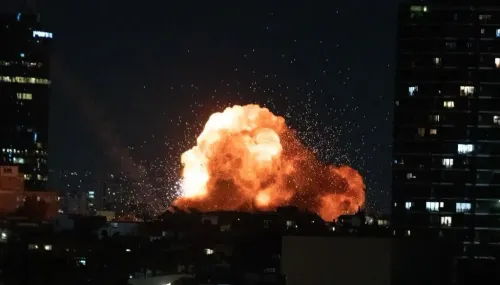
In a joint statement the same day, Netanyahu and Israel's Defence Minister Israel Katz confirmed they had ordered the military to strike Beirut's southern suburbs, citing repeated Hezbollah 'violations' of the Lebanon ceasefire through attacks on northern Israeli cities.
Iran Halts US Mediation Talks
In a significant diplomatic development, Tehran reportedly suspended talks and the exchange of draft proposals with Washington through mediation channels, in protest against Israel's actions in Lebanon, according to Iran's semi-official Tasnim news agency. The pause raises fresh uncertainty over the trajectory of US-Iran negotiations.
Iran's President Raises Alarm With Japan
Iranian President Masoud Pezeshkian separately expressed concern over Israel's repeated ceasefire violations in Lebanon, the continued displacement of Lebanese civilians, and what he described as US political and military backing for Israel. In a phone call with Japanese Prime Minister Sanae Takaichi, Pezeshkian said Washington's failure to honour its commitments and Israel's destabilising actions had complicated the diplomatic process, while affirming that Iran remains committed to resolving regional tensions through dialogue.
What Comes Next
The convergence of suspended US-Iran talks, Israeli military action in Lebanon, and warnings over the Strait of Hormuz marks a sharp escalation of an already volatile regional picture. Diplomatic efforts — led by Qatar, Pakistan, and others — face mounting pressure to prevent a broader breakdown. How quickly mediation channels can be restored will be closely watched in the coming days.
Point of View
Which makes it more damaging. Pakistan's mediation role is also under-scrutinised: Islamabad has rarely played a sustained West Asia broker role, and whether it has the diplomatic bandwidth and leverage to hold this channel together is an open question. The simultaneity of Israeli strikes on Beirut, Iranian military warnings, and a frozen mediation track suggests the region is closer to miscalculation than the diplomatic language of these statements conveys.
NationPress
16 Sept 2026
Frequently Asked Questions
What did Qatar's PM and Iran's FM discuss on 2 June?
Qatar's Prime Minister Sheikh Mohammed bin Abdulrahman Al-Thani and Iranian Foreign Minister Seyed Abbas Araghchi reviewed Pakistani mediation efforts between the US and Iran, as well as the latest developments in Lebanon. Qatar reaffirmed its support for a comprehensive diplomatic resolution and warned against any interference with freedom of navigation in the Strait of Hormuz.
Why did Qatar warn about the Strait of Hormuz?
Qatar's PM stressed that closing the Strait of Hormuz or using it as a pressure tool would deepen the regional crisis and harm the vital interests of Gulf states. The strait is a critical conduit for global energy supplies, and any disruption would have far-reaching economic consequences.
Has Iran suspended nuclear mediation talks with the US?
According to Iran's semi-official Tasnim news agency, Tehran halted talks and the exchange of draft proposals with Washington through mediation channels on Monday, in protest against Israeli military action in Lebanon. The pause introduces fresh uncertainty into an already fragile diplomatic process.
What is Iran's military warning to Israel about?
Iran's Khatam al-Anbiya Central Headquarters warned Israel against bombing Beirut and its southern district of Dahieh, and urged residents of northern Israel and military settlements in the occupied Palestinian territories to evacuate if Israeli strikes continued. The warning came after Israeli PM Netanyahu and Defence Minister Katz confirmed ordering strikes on Beirut's southern suburbs over alleged Hezbollah ceasefire violations.
What role is Pakistan playing in US-Iran mediation?
Pakistan is reportedly acting as a mediator between the United States and Iran, a role that was discussed in the Qatar PM's call with the Iranian FM on 2 June. The exact scope and status of Pakistan's mediation channel remain limited in public detail, particularly following Iran's reported suspension of talks.