Qatar mediating US-Iran talks revival as Hormuz tensions persist
Synopsis
Qatar's daily back-channel calls between Washington and Tehran have yet to break the deadlock — Iran is publicly refusing to accept conditions from what it calls 'aggressive parties,' while the US just announced an 'economic D-Day' in fresh sanctions. With the Strait of Hormuz's status itself disputed, the gap between diplomacy and confrontation looks wider than Doha's optimism suggests.
Key Takeaways
Qatar confirmed on 25 August that its officials are in daily phone contact with both the US and Iran to restart negotiations.
Qatari Foreign Ministry spokesperson Majed Al Ansari called US sanctions against Iran 'unilateral' and urged a diplomatic settlement.
Iranian spokesman Esmaeil Baghaei said Tehran will not accept war-ending terms set by 'aggressive parties' and vowed to defend its territory.
Iran dismissed US claims that the Strait of Hormuz was open, calling them 'psychological and media warfare.' US Treasury Secretary Scott Bessent announced a new wave of sanctions on Monday , warning of 'an economic D-Day' for Iran.
Qatar confirmed on Tuesday, 25 August that its officials are engaged in daily contact with both the United States and Iran in a sustained effort to revive stalled negotiations between the two sides. The disclosure came as tensions over the Strait of Hormuz and fresh US sanctions against Tehran added urgency to diplomatic back-channels.
Qatar's Diplomatic Push
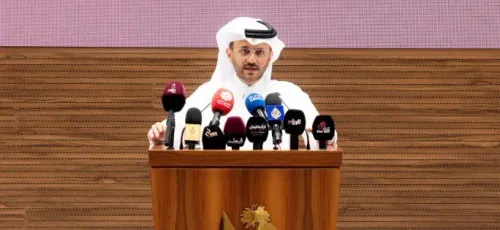
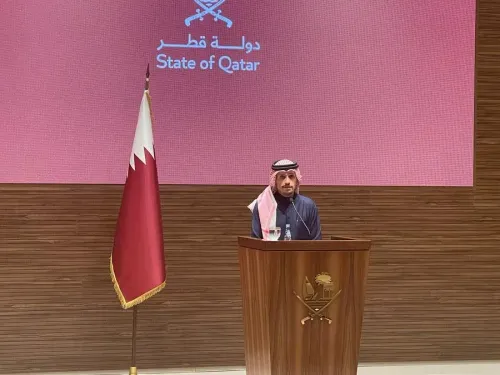
Qatari Foreign Ministry spokesperson Majed Al Ansari, speaking at a weekly media briefing in Doha, said: 'Our officials are on the phone on a daily basis trying to workshop ideas, workshop ways of getting back to the negotiations.' Al Ansari stressed that Doha's priority remains restoring 'the freedom of navigation and to the opening of the Strait of Hormuz the way it was before the war.' On the latest round of US economic sanctions against Iran, Al Ansari called them unilateral and reiterated Qatar's preference for a diplomatic settlement over economic pressure.
Iran's Firm Stance
Tehran, however, signalled no willingness to negotiate on terms set by what it described as 'aggressive' parties. Iranian Foreign Ministry spokesman Esmaeil Baghaei, speaking at a press conference in Tehran on Monday, said: 'We have definitely not been the party to start the war, but we will not let the war's end be based on the aggressive parties' conditions.' Baghaei added that Iran remained 'determined to defend its territory' and would not 'compromise with the aggressive parties' or surrender to their 'excessive demands.'
Hormuz Claims Disputed
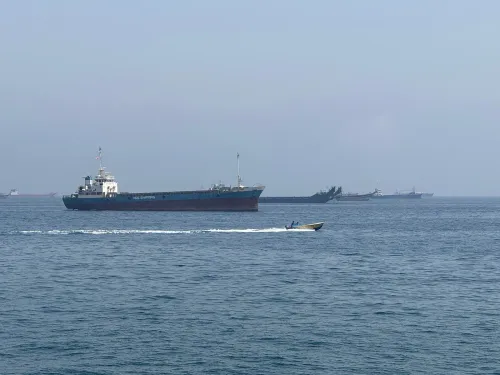
Baghaei also directly challenged Washington's assertion that the Strait of Hormuz was open and that millions of barrels of oil were transiting it daily, dismissing those claims as 'psychological and media warfare.' The strait is a critical chokepoint through which a significant share of the world's seaborne oil supply passes, making any disruption a global economic concern. Iran's denial of US claims about Hormuz access signals a sharp divergence in how each side is framing the conflict's current status.
US Escalates with New Sanctions
US Treasury Secretary Scott Bessent on Monday announced a fresh wave of sanctions targeting Iran, warning of what he described as 'an economic D-Day.' Tehran responded by vowing to deploy 'multilateral capacities' to counter the measures, with Baghaei calling the sanctions a blow to free trade and national sovereignty. This marks a further escalation in the economic dimension of the standoff, running parallel to — and potentially complicating — Qatar's mediation efforts.
What Comes Next
Qatar's role as an intermediary between Washington and Tehran is not new — Doha has historically served as a back-channel in US-Iran dealings. Whether daily phone diplomacy can translate into a formal return to negotiations remains uncertain, particularly given Tehran's hardened public posture and Washington's simultaneous push for tighter sanctions. The trajectory of the Strait of Hormuz situation will be closely watched by global energy markets in the days ahead.
Point of View
Dismissing Hormuz access claims, and vowing multilateral retaliation against sanctions — is not the language of a party preparing to return to the table. Washington, meanwhile, is simultaneously tightening the economic vice with an 'economic D-Day' announcement, which historically hardens rather than softens adversarial positions. The real question is whether Qatar's mediation has any genuine traction in both capitals, or whether Doha is managing optics while the two sides drift further apart. The Strait of Hormuz dispute — with each side offering contradictory accounts of what is actually happening there — is the most immediate flashpoint that diplomacy must address before any broader talks become credible.
NationPress
9 Oct 2026
Frequently Asked Questions
What is Qatar's role in US-Iran talks?
Qatar is acting as an intermediary, with its officials in daily phone contact with both Washington and Tehran to explore ways to restart formal negotiations. Doha has historically served as a back-channel between the two sides.
Why has Iran rejected negotiations on current terms?
Iranian Foreign Ministry spokesman Esmaeil Baghaei said Tehran will not allow the war to end based on conditions set by what he called 'aggressive parties.' Iran insists it did not start the conflict and will not surrender to 'excessive demands.'
What are the new US sanctions against Iran?
US Treasury Secretary Scott Bessent announced a fresh wave of economic sanctions on Monday, describing them as 'an economic D-Day' aimed at further isolating Iran. Tehran has vowed to use its 'multilateral capacities' to counter the measures.
Is the Strait of Hormuz currently open?
The US has claimed the strait is open with millions of barrels of oil transiting daily, but Iran's Foreign Ministry dismissed those claims as 'psychological and media warfare.' Qatar has called for restoring freedom of navigation to pre-war conditions.
What is Qatar's position on the US sanctions against Iran?
Qatar's Foreign Ministry spokesperson Majed Al Ansari called the US sanctions unilateral and reiterated Doha's preference for a diplomatic settlement over economic pressure as the path to resolving the standoff.