US-Iran nuclear talks: Qatar says gaps remain despite active diplomacy
Synopsis
Qatar's foreign ministry says Washington and Tehran are actively reviewing mediator proposals, but 'bridging the gap is still a work in progress.' A Qatari delegation spent over three hours in Tehran — triple the scheduled time — signalling serious diplomatic movement even as no breakthrough has been declared. An interim confidence-building deal is now Doha's immediate goal.
Key Takeaways
Qatar confirmed on 3 November 2026 that US and Iran are reviewing mediator proposals, but significant gaps remain.
A Qatari delegation held more than three hours of talks in Tehran on Monday — longer than the scheduled one hour.
Spokesperson Majed Al Ansari cautioned against interpreting continued talks as a breakthrough.
Qatar is working toward an interim agreement to build confidence between Washington and Tehran ahead of deeper negotiations.
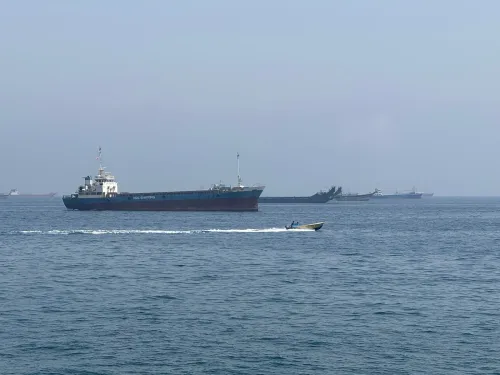
Qatar condemned the attack on its LNG carrier Al Mayeda in the Arabian Gulf ; GCC countries are coordinating to prevent further escalation.
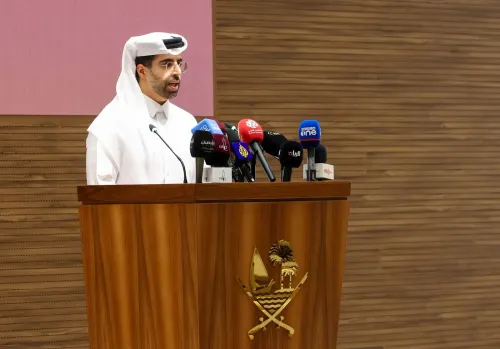
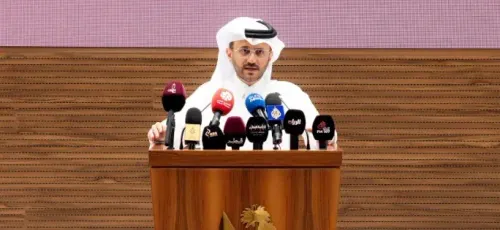
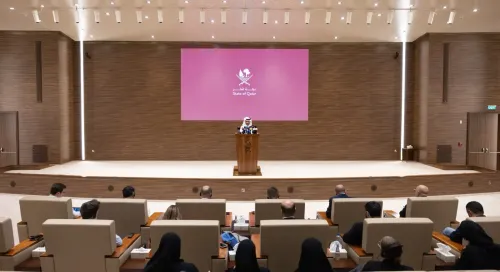
Qatar confirmed on Tuesday, 3 November 2026 that the United States and Iran are reviewing proposals aimed at resolving their long-running conflict, but warned that significant differences between the two sides remain unresolved despite sustained diplomatic engagement. The disclosure came from Qatari Foreign Ministry spokesperson Majed Al Ansari at the ministry's weekly press briefing in Doha.
Where Talks Stand
'Bridging the gap is still a work in progress,' Al Ansari said, confirming that both Washington and Tehran were actively studying proposals and ideas put forward by mediators. He cautioned against reading the continued engagement as a breakthrough, saying no concrete progress could yet be announced — though both parties had signalled a willingness to pursue diplomacy.
A Qatari delegation returned from Tehran on Monday evening after more than three hours of talks with Iranian officials — significantly longer than the scheduled one hour — reflecting the depth of the discussions. The delegation exchanged views and proposals designed to narrow the gap between the two sides, according to Al Ansari, who added that mediation efforts were continuing in the wake of the visit.
Qatar's Mediation Strategy
Al Ansari said Doha was working toward an interim agreement to build confidence between Washington and Tehran and lay the groundwork for deeper negotiations and an eventual lasting settlement. He stressed that confidence-building measures should form part of a phased diplomatic process, with both sides demonstrating commitment by implementing agreed steps before advancing further.
LNG Tanker Attack and Maritime Security
In a separate but related development, Al Ansari addressed a recent incident involving the Qatari liquefied natural gas (LNG) carrier Al Mayeda in the Arabian Gulf. He reiterated Qatar's condemnation of the attack and its firm opposition to any threats to freedom of maritime navigation. Gulf Cooperation Council (GCC) countries, he said, were closely coordinating their diplomatic efforts to prevent further escalation, with Al Ansari warning that renewed hostilities would serve no party's interests.
What Comes Next
The spokesperson expressed cautious optimism that sustained engagement could eventually yield an agreement capable of ending the current crisis and establishing the conditions for lasting regional peace. This comes amid broader tensions in the Gulf region, where the LNG carrier incident has added urgency to the diplomatic track. Whether the phased confidence-building approach gains traction will depend heavily on whether Washington and Tehran are prepared to take reciprocal steps in the near term.
Point of View
Not ceremonial exchanges. Yet Qatar's insistence on framing progress as 'work in progress' reflects how precarious the process remains. The LNG tanker attack on the Al Mayeda is a dangerous complicating variable — it raises domestic political pressure in Qatar and Gulf capitals at precisely the moment when calm is needed to sustain the confidence-building track. If the interim agreement framework does not produce visible reciprocal steps from both Washington and Tehran soon, the window opened by this round of mediation may close quickly.
NationPress
3 Nov 2026
Frequently Asked Questions
What is the current status of US-Iran diplomatic talks?
As of 3 November 2026, the United States and Iran are reviewing proposals put forward by mediators, but key differences remain unresolved. Qatar's foreign ministry spokesperson Majed Al Ansari said 'bridging the gap is still a work in progress,' and no concrete progress has yet been announced.
What role is Qatar playing in US-Iran negotiations?
Qatar is acting as a key mediator, shuttling proposals between Washington and Tehran. A Qatari delegation held over three hours of talks in Tehran on Monday, and Doha is now working toward an interim confidence-building agreement to lay the groundwork for a lasting settlement.
What happened to the Qatari LNG tanker Al Mayeda?
The Qatari LNG carrier Al Mayeda was attacked in the Arabian Gulf recently. Qatar condemned the attack and reiterated its opposition to any threat to freedom of maritime navigation. GCC countries are coordinating diplomatically to prevent further escalation.
Why does an interim agreement matter in US-Iran talks?
An interim deal is designed to build mutual confidence between Washington and Tehran before tackling deeper, harder-to-resolve differences. Qatar's approach envisions a phased process where both sides implement agreed confidence-building measures as a precursor to broader negotiations.
Are GCC countries involved in managing Gulf tensions?
Yes. According to Qatari Foreign Ministry spokesperson Majed Al Ansari, Gulf Cooperation Council countries are closely coordinating their diplomatic efforts to prevent further escalation, particularly following the attack on the Qatari LNG tanker Al Mayeda.