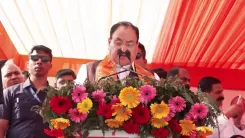
Haryana CM Nayab Saini Saves ₹11.96 Cr in HPPC Meet
Synopsis
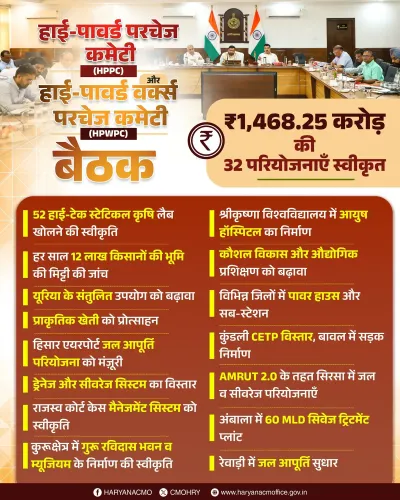
Chief Minister Nayab Saini chaired Haryana's HPPC and HPWPC meetings on 3 November 2026, approving transport and civic infrastructure expansions while saving ₹11.96 crore through active vendor negotiation — a textbook use of the state's apex procurement framework.
Key Takeaways
Haryana CM Nayab Saini chaired joint HPPC and HPWPC meetings on 3 November 2026 .
Approvals covered expansion of transport networks, traffic management systems, and basic civic infrastructure.
Active negotiation during the session produced documented savings of ₹11.96 crore .
The HPPC and HPWPC are Haryana's apex procurement committees, chaired by the Chief Minister, designed to enforce competitive discipline on large tenders.
Urban commuters and residents in rapidly urbanising Haryana districts are the primary beneficiaries of the approved projects.
Tender finalisation and district-level rollout timelines are the key milestones to watch next.
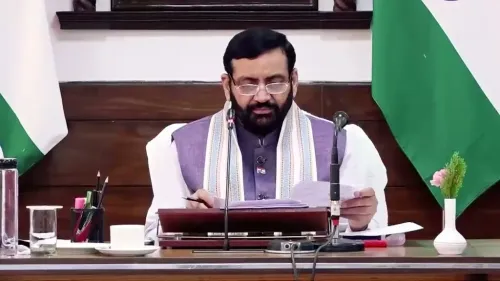
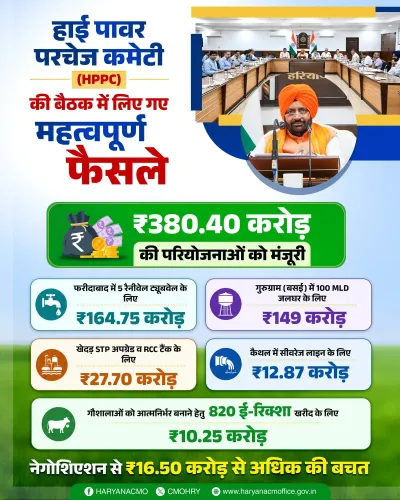
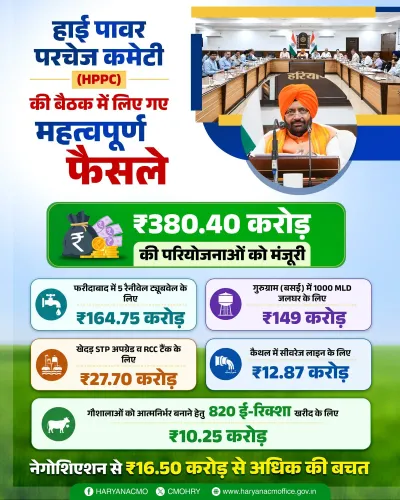
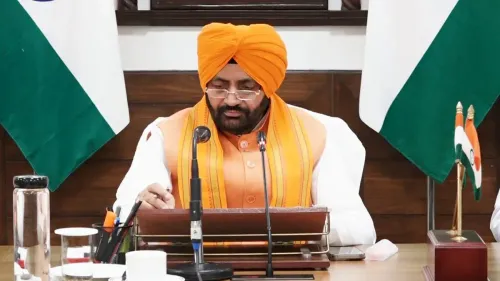
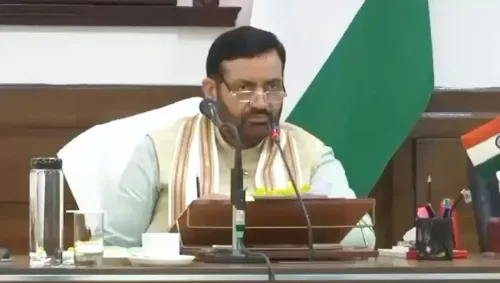
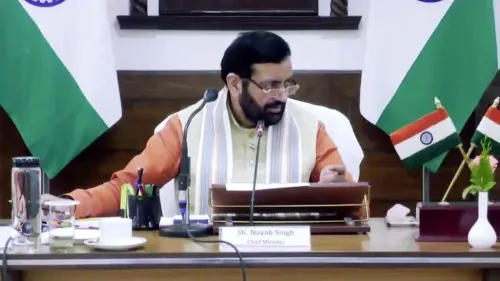
A single round of hard negotiations at the highest procurement table just put nearly ₹12 crore back into Haryana's public kitty. The Chief Minister's Office of Haryana announced on Tuesday, 3 November 2026 that Chief Minister Nayab Saini chaired back-to-back meetings of the High Power Purchase Committee (HPPC) and the High Power Works Purchase Committee (HPWPC), green-lighting a tranche of transport, traffic management, and basic civic infrastructure projects — and squeezing out savings of ₹11.96 crore through active negotiation.
What HPPC and HPWPC Actually Do
These two committees sit at the apex of Haryana's state procurement architecture. The HPPC handles large-scale purchase approvals for goods and services, while the HPWPC clears major works contracts — roads, civic utilities, and infrastructure builds. Both committees are chaired by the Chief Minister and designed precisely to prevent cost overruns: vendors submit bids, the committee negotiates, and any savings are documented and credited to the state exchequer.
State governments across India use this two-tier high-power model to enforce competitive discipline on big-ticket spending. The structure ensures that no major tender slips through without executive scrutiny at the top.
Transport and Basic Facilities Get the Green Light
The 3 November sessions approved expansion of transport networks, traffic management systems, and foundational civic infrastructure across Haryana — sectors that directly affect the daily commute and living conditions of the state's rapidly urbanising population. Urban residents and daily commuters stand as the most immediate beneficiaries, particularly in districts where congestion and infrastructure deficits have long been pressure points.
The savings figure — ₹11.96 crore — emerged not from budget cuts but from negotiation: the committee drove down vendor quotes during the meeting itself, a practice the HPPC framework mandates for every approval round.
Why the Negotiation Number Matters
₹11.96 crore salvaged in a single sitting is more than a line in a press note. It signals that Haryana's procurement machinery is running as designed — competitive, documented, and answerable at the Chief Minister level. In states where infrastructure tenders have historically leaked value through thin-margin negotiation or rubber-stamp approvals, a publicly cited savings figure raises the accountability bar for future rounds.
Watch for tender finalisation timelines and district-level rollout schedules as the approved projects move to implementation — that is where the numbers on paper become roads, signals, and services on the ground.
Point of View
A framing Nayab Saini's BJP government has leaned into ahead of any accountability cycle. High-power committee meetings where the Chief Minister personally chairs negotiations are also a common tool to centralise credit for infrastructure spending, even when ground-level implementation remains a longer-term story. The approval of transport and traffic projects aligns with Haryana's urbanisation pressure points, but the real test will be whether rollout timelines match announcement energy. For opposition parties, the absence of specific project locations and districts leaves room to question whether the savings figure translates to visible on-ground delivery.
NationPress
3 Nov 2026
Frequently Asked Questions
What is the HPPC in Haryana?
The High Power Purchase Committee (HPPC) is Haryana's apex state body for approving large procurement contracts, chaired by the Chief Minister, designed to enforce competitive negotiation and cost discipline on major government spending.
How did Haryana save ₹11.96 crore in the HPPC meeting?
The savings of ₹11.96 crore were achieved through active negotiation with vendors during the HPPC and HPWPC sessions chaired by Chief Minister Nayab Saini on 3 November 2026, where the committee drove down quoted prices before approving the contracts.
What projects were approved at the Haryana HPPC meeting on 3 November 2026?
The meetings approved expansion of transport networks, traffic management systems, and basic civic infrastructure in Haryana, though specific project locations and timelines are yet to be detailed publicly.
What is the difference between HPPC and HPWPC in Haryana?
The HPPC (High Power Purchase Committee) handles procurement of goods and services, while the HPWPC (High Power Works Purchase Committee) specifically clears major infrastructure and construction works contracts — both are chaired by the Chief Minister.
Who is Nayab Saini and what is his role in Haryana?
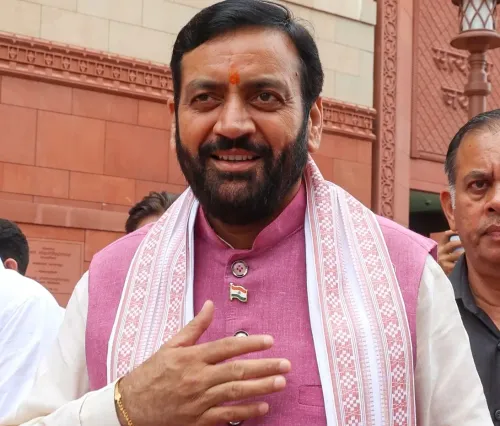
Nayab Saini is the Chief Minister of Haryana and chairs both the HPPC and HPWPC, giving him direct oversight over the state's largest procurement and infrastructure spending decisions.