Iran Requests Meeting With US in Doha, White House Confirms
Synopsis
The White House confirmed on 29 June 2026 that Iran has requested a meeting in Doha, Qatar. The announcement signals a potential diplomatic opening between Washington and Tehran, with Qatar likely serving as intermediary. Details on a US response remain pending.
Key Takeaways
Iran has formally requested a meeting with the United States in Doha, Qatar , as confirmed by the White House on 29 June 2026 .
Doha has historically served as a neutral venue for indirect US-Iran communications and back-channel negotiations.
The US and Iran have not maintained formal diplomatic relations since 1980 .
Key issues likely on any agenda include Iran's nuclear programme , regional security, and detained nationals.
For India , a diplomatic thaw could reopen access to Iranian crude and the Chabahar port trade corridor.
It remains unclear whether the United States has accepted the request or what format any talks would take.
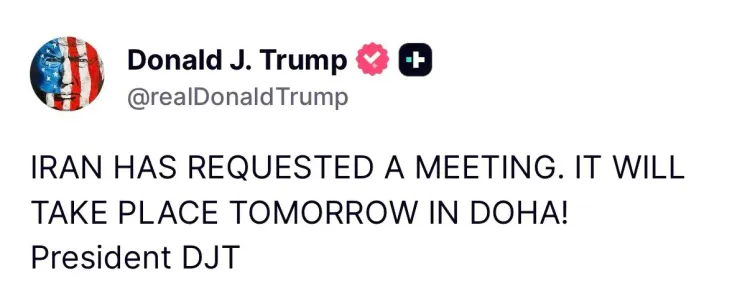
Washington DC, 29 June 2026 — The White House, the official communications account of the Executive Office of the President of the United States, confirmed on Monday, 29 June 2026, that Iran has formally requested a meeting in Doha, Qatar, signalling a potential diplomatic opening between Tehran and Washington.
Context
The White House post, which read simply 'Iran requests meeting in Doha,' was accompanied by an image and linked to additional detail. The brevity of the announcement itself is notable: by choosing to publicise the Iranian request rather than keep it in back-channel silence, the US administration is signalling that the overture is being treated as a matter of public record.
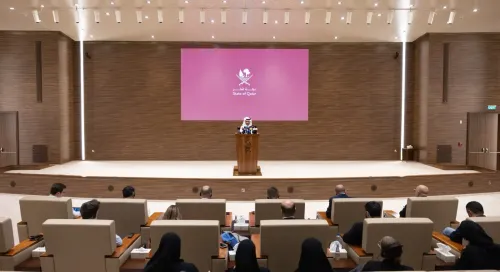
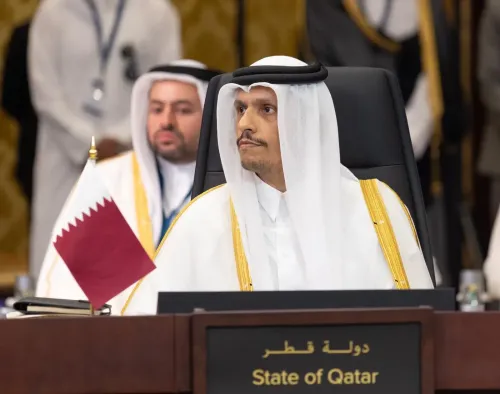
Doha has long served as a neutral diplomatic hub for sensitive US-Iran communications. Qatar, which maintains relations with both countries, has historically facilitated indirect talks, prisoner exchanges, and back-channel negotiations between the two adversaries, who have not held formal diplomatic relations since 1980.
Policy Backdrop
US-Iran relations have been defined by decades of tension rooted in the 1979 Islamic Revolution and subsequent hostage crisis. Successive administrations have oscillated between maximum pressure and diplomatic engagement, most notably the 2015 Joint Comprehensive Plan of Action (JCPOA) — the Iran nuclear deal — which the United States withdrew from in 2018 before attempting to revive in subsequent years.
Negotiations over Iran's nuclear programme have remained a central flashpoint, with Tehran advancing uranium enrichment levels and Washington maintaining sweeping economic sanctions. Any meeting in Doha would likely touch on the nuclear file, regional security, and the status of detained nationals on both sides.
Stakeholders and Impact
A potential US-Iran dialogue in Doha carries significant implications for the broader Middle East, including Israel, Saudi Arabia, and the Gulf Cooperation Council states, all of whom watch any rapprochement with Tehran closely. For India, which maintains energy and trade ties with Iran while managing its strategic partnership with Washington, any easing of sanctions on Tehran could reopen access to Iranian crude oil and the Chabahar port corridor.
Markets and energy traders will also watch closely: Iran holds some of the world's largest proven oil and gas reserves, and any diplomatic thaw that reduces sanctions pressure could affect global crude supply and pricing.
What's Next
It remains unclear whether the United States has accepted Iran's request or whether the White House post is itself a negotiating signal — publicly acknowledging the ask without committing to a response. The location of Doha suggests Qatar may again play the role of intermediary and host.
Diplomatic observers will watch for a formal US response, the composition of any delegations, and whether talks would be direct or mediated. The coming days are likely to bring clarification on whether this request translates into a substantive diplomatic process or remains an opening bid.
Point of View
Framing Tehran as the party seeking engagement and Washington as holding the initiative. This fits a pattern where the US uses public signalling to shape the terms of any eventual negotiation before it begins. For India, which has carefully balanced ties with both nations, the trajectory of these talks will directly influence energy import options and the viability of the Chabahar connectivity project. The choice of Doha as the proposed venue underscores Qatar's growing indispensability as a mediator in the most sensitive US-facing diplomatic files.
NationPress
28 Sept 2026
Frequently Asked Questions
Why has Iran requested a meeting with the US in Doha?
Iran has requested a meeting in Doha, Qatar, a neutral diplomatic hub, though the specific agenda has not been publicly detailed. Such talks typically cover Iran's nuclear programme, sanctions relief, and regional security issues.
Why is Doha chosen for US-Iran talks?
Doha is chosen because Qatar maintains diplomatic relations with both the United States and Iran, making it a trusted neutral venue for sensitive indirect or direct negotiations between the two adversaries.
What is the current state of US-Iran relations?
The US and Iran have had no formal diplomatic relations since 1980. Relations are defined by sanctions, disputes over Iran's nuclear programme, and periodic indirect negotiations, often mediated by third countries like Qatar.
How does a potential US-Iran meeting affect India?
A diplomatic thaw between the US and Iran could ease sanctions on Tehran, potentially allowing India to resume imports of Iranian crude oil and deepen engagement with the Chabahar port trade corridor linking India to Afghanistan and Central Asia.
Has the United States agreed to the Iran meeting in Doha?
As of the White House announcement on 29 June 2026, only Iran's request has been confirmed publicly. Whether the US has accepted the invitation or what format talks would take has not been officially stated.