Qatar confirms US envoys in Doha; no direct Iran talks planned
Synopsis
Trump's top envoys are in Doha — but Iran says there are no direct talks scheduled, and $6 billion in frozen assets remain unreleased. Qatar is threading a delicate needle as mediator, with Washington and Tehran offering sharply different accounts of what is actually happening on the ground.
Key Takeaways
US envoys Steve Witkoff and Jared Kushner are in Doha as of 30 June but will not meet Iranian officials directly.
Qatar's Foreign Ministry spokesperson Majed Al-Ansari confirmed the envoys will meet mediators to discuss MoU implementation. $6 billion in frozen Iranian assets held in Qatar have not yet been transferred to Tehran .
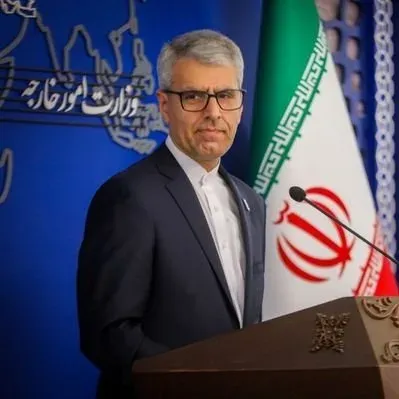
Iran's Deputy Foreign Minister Kazem Gharibabadi rejected reports of scheduled technical talks in Doha this week.
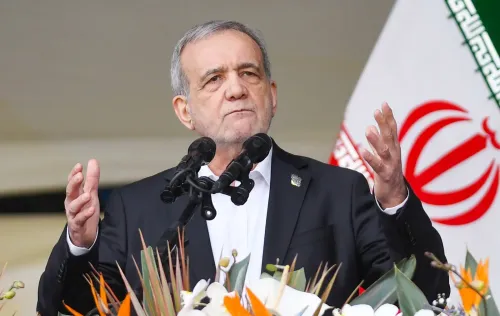
Iranian President Masoud Pezeshkian put total frozen Iranian assets in Qatar at $12 billion and said necessary follow-ups are under way.
Iran describes the MoU as 'a great victory,' claiming sanctions on petrochemical and oil exports have been lifted under the agreement.
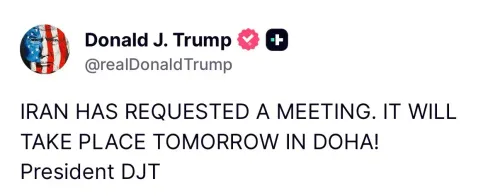
Qatar confirmed on Tuesday, 30 June that US President Donald Trump's special envoys, Steve Witkoff and Jared Kushner, are present in Doha but will not hold direct meetings with Iranian officials. The visit comes amid conflicting signals from Washington and Tehran over the scope and nature of the latest diplomatic contacts in the Qatari capital.
What Qatar Said
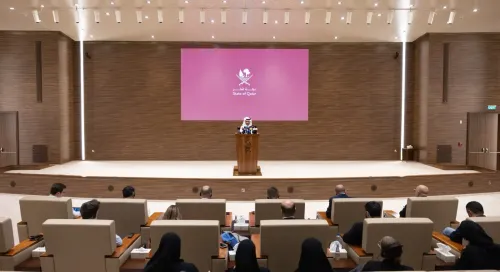
Qatari Foreign Ministry spokesperson Majed Al-Ansari addressed the weekly press briefing, clarifying that the US delegation would meet with mediators — not Iranian counterparts directly — to discuss progress in implementing the recently signed Memorandum of Understanding (MoU) between the United States and Iran. Al-Ansari also confirmed that $6 billion in frozen Iranian assets have yet to be transferred to Tehran.
Iran's Position on the Talks
A senior Iranian diplomat said on Monday that technical talks between the working groups of Iran and the United States were not scheduled for this week. Iran's Deputy Foreign Minister for Legal and International Affairs, Kazem Gharibabadi — who heads Iran's delegation in the technical negotiations — rejected media reports suggesting such talks would take place in Doha on Tuesday. However, Gharibabadi noted that consultations with Qatar were continuing on relevant issues, including pursuing US fulfilment of obligations under the signed MoU.
Iran's Claims on Frozen Assets and Sanctions Relief
Iranian President Masoud Pezeshkian said on Monday that frozen Iranian assets worth $6 billion currently held in Qatar would be released and returned to Iran. Speaking during a meeting with a senior cleric in the central province of Qom, Pezeshkian put the total amount of Iran's frozen assets in Qatar at $12 billion, stressing that follow-ups were under way to recover the remaining funds. He described the MoU as 'a great victory' for the Iranian people and said sanctions on Iran's petrochemical and oil exports had been lifted within the agreement's framework.
Conflicting Narratives Between Washington and Tehran
The competing accounts underscore a persistent gap in how the two sides characterise their engagement. The United States has described the Doha discussions as part of the implementation process for the MoU, while Iran has denied that direct negotiations with US officials are on the schedule. Qatar, positioned as a key intermediary, appears to be managing both tracks simultaneously — a role it has played in several prior diplomatic episodes involving Iran and Western powers.
What Comes Next
With the asset transfer still pending and technical working groups yet to formally convene, the pace of MoU implementation remains uncertain. The presence of senior US envoys in Doha signals continued American engagement, but the indirect format of the talks suggests that direct US-Iran dialogue remains politically sensitive for both capitals. Observers will be watching whether Qatar can bridge the gap and move the process toward concrete steps on sanctions relief and asset releases.
Point of View
And Iran cannot be seen as negotiating under pressure. Qatar's role as a go-between is essential precisely because neither side can afford the optics of sitting across the table. But mediated diplomacy moves slowly, and with $6 billion still frozen and technical working groups not yet convened, the distance between a signed MoU and actual implementation looks considerable. The real test of this agreement will come not in Doha press briefings but in whether sanctions relief and asset transfers materialise on a verifiable timeline.
NationPress
29 Sept 2026
Frequently Asked Questions
Why are US envoys Steve Witkoff and Jared Kushner in Doha?
Steve Witkoff and Jared Kushner are in Doha to meet with Qatari mediators and discuss progress on implementing the Memorandum of Understanding signed between the United States and Iran. Qatar confirmed on 30 June that the envoys will not hold direct meetings with Iranian officials.
Has the $6 billion in frozen Iranian assets been released?
No. Qatar's Foreign Ministry confirmed that the $6 billion in frozen Iranian assets have not yet been transferred to Tehran as of 30 June. Iranian President Masoud Pezeshkian has said the funds will be returned, and put total frozen Iranian assets in Qatar at $12 billion.
What did Iran say about the Doha talks?
Iran's Deputy Foreign Minister Kazem Gharibabadi rejected media reports that technical talks between Iranian and US working groups were scheduled in Doha on Tuesday. He said consultations with Qatar were continuing but that no direct US-Iran technical sessions were planned for this week.
What is the US-Iran Memorandum of Understanding?
The MoU is a recently signed agreement between the United States and Iran. Iran's President Pezeshkian has described it as 'a great victory,' saying it includes sanctions relief on petrochemical and oil exports. The US describes the current Doha contacts as part of the MoU's implementation process.
What is Qatar's role in the US-Iran diplomatic process?
Qatar is acting as a key intermediary between the United States and Iran, facilitating indirect contacts between the two sides. It hosted the US envoys on 30 June and is coordinating with both Washington and Tehran on MoU implementation, including the pending transfer of frozen Iranian assets.