Vance proposes Iran frozen assets fund US farm exports in nuclear deal
Synopsis
Vance's Burgenstock briefing revealed an unexpected economic twist in the Iran nuclear talks: frozen Iranian assets, if released, would not go to Tehran but instead buy American soy, corn, and wheat — with the US and Qatar jointly holding approval authority. It is a deal structure that ties Iranian sanctions relief directly to American farm revenues, brokered through Doha.
Key Takeaways
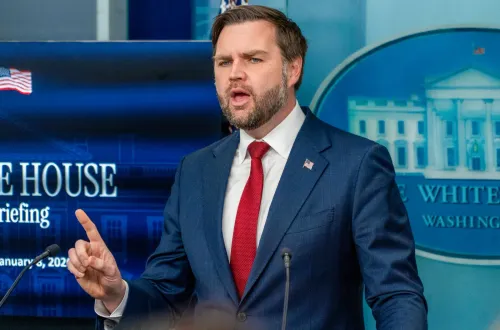
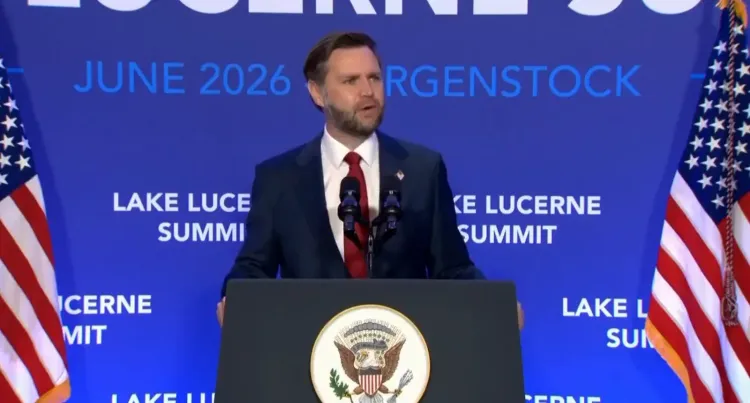
US Vice President J D Vance outlined the proposal on 22 June during a briefing in Burgenstock, Switzerland .
Under the plan, any unfrozen Iranian assets would be used to purchase American soy, corn, and wheat rather than transferred to Tehran.
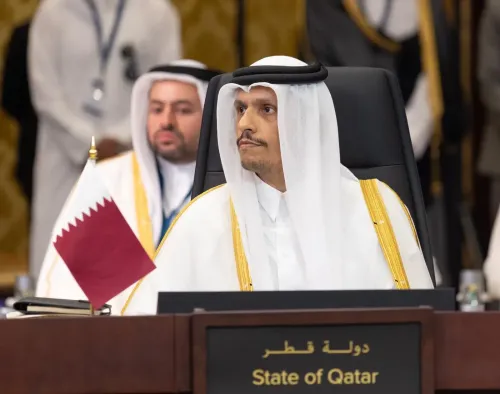
Both the United States and Qatar would retain approval authority over how the funds are spent.
The mechanism was reportedly developed by Jared Kushner in discussions with Qatari counterparts.
Vance also announced Tehran 's reported agreement to invite IAEA inspectors back into the country.
Whether Iranian negotiators have formally accepted the asset proposal remains unconfirmed.
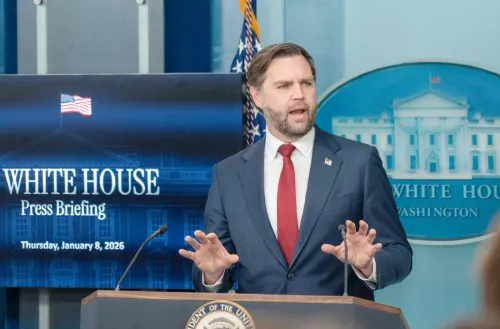
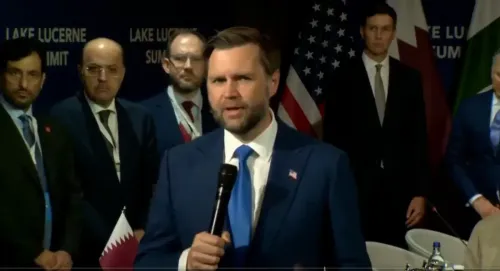
US Vice President J D Vance on Monday, 22 June outlined a proposal under which any future release of frozen Iranian assets would be channelled into purchases of American agricultural products, framing the mechanism as a potential economic pillar of a broader agreement being negotiated with Tehran. The disclosure, made during a briefing in Burgenstock, Switzerland, offered one of the clearest public signals yet of how the Trump administration is approaching the financial architecture of a possible Iran deal.
The Core Proposal
Vance said discussions with Qatar had produced a framework under which any unfrozen Iranian funds would be jointly monitored by Washington and Doha, rather than transferred directly to the Iranian government. He attributed the mechanism to Jared Kushner, crediting him with brokering the arrangement with Qatari counterparts.
'One of the other things that we wanted to do ... we wanted to make sure that we set up a process where if we ever unfreeze Iranian assets, we can ensure that those, that that money, that Iranian money, goes to help the people of Iran and not to fund terrorism,' Vance said.
Under the arrangement, the funds would be directed specifically toward American soy, American corn, and American wheat, with both the US and Qatar retaining approval authority over expenditure. 'The money would actually go to buy American soy, American corn and American wheat for the benefit of the Iranian people,' he said.
What Vance Said About the Deal's Structure
The Vice President described the proposal as mutually advantageous, arguing it would enrich American farmers while feeding the Iranian civilian population. 'If Iranian assets are ever unfrozen, they're going to go to make American farmers richer and to feed the Iranian people,' he said, adding: 'That's a very, very good and very classic Trump deal.'
Vance did not confirm whether Iranian negotiators had formally accepted the proposal, nor did he disclose the total quantum of frozen assets that could fall under such an arrangement. The exact scale of the funds in question therefore remains unspecified.
Nuclear and Security Dimensions
The agricultural funds proposal sits alongside a broader set of issues in the ongoing talks, including nuclear inspections, regional security, and freedom of navigation through the Strait of Hormuz. Vance separately announced what he described as significant progress, including Tehran's reported agreement to invite inspectors from the International Atomic Energy Agency (IAEA) back into the country — a development that, if confirmed, would mark a meaningful shift in Iran's posture toward international oversight.
This comes amid a period of sustained diplomatic engagement between Washington and Tehran, with Switzerland serving as a neutral venue for talks that have drawn in regional actors including Qatar.
What Happens Next
Vance indicated that technical negotiations would continue in the coming days and weeks, with both sides working to build on the framework established in Burgenstock. The proposal's fate will depend on whether Iranian negotiators formally endorse the asset-management mechanism and whether a wider agreement on nuclear and security matters can be concluded. Industry groups representing American agriculture are likely to watch closely, given the potential export volumes that could be unlocked if a deal is finalised.
Point of View
Effectively making US farmers a stakeholder in the Iran deal's success. That political calculus is deliberate — it gives the Trump administration a domestic constituency for a deal that might otherwise face Republican scepticism. The Qatar co-approval mechanism also insulates Washington from accusations of directly transferring cash to Tehran, a politically toxic image after years of Iran hawkishness. What remains opaque is whether Tehran views this arrangement as dignified relief or a managed humiliation — and that perception will determine whether it holds.
NationPress
21 Sept 2026
Frequently Asked Questions
What is the Vance proposal on frozen Iranian assets?
US Vice President J D Vance proposed that any future release of frozen Iranian assets be used to purchase American agricultural products — specifically soy, corn, and wheat — rather than being transferred directly to the Iranian government. Both the United States and Qatar would hold approval authority over how the funds are spent.
Who came up with the Qatar-monitored funds mechanism?
Vance credited Jared Kushner with developing the arrangement through discussions with Qatari counterparts. Under the framework, Qatar acts as a co-approver alongside the United States for any expenditure of unfrozen Iranian funds.
Have Iranian negotiators accepted the proposal?
Vance did not confirm whether Iranian negotiators had formally accepted the asset-management proposal. The amount of frozen assets that could be covered by such an arrangement was also not disclosed.
What other progress was announced in the Iran talks?
Vance announced that Tehran had reportedly agreed to invite International Atomic Energy Agency (IAEA) inspectors back into the country, describing it as significant progress. Technical negotiations are set to continue in the coming days and weeks.
Why does the proposal involve American farm exports?
According to Vance, directing the funds toward American agricultural commodities ensures the money benefits Iranian civilians rather than funding state or military activities, while simultaneously benefiting American farmers. He described it as a mutually advantageous arrangement and 'a very classic Trump deal.'