Trump ties Iran sanctions relief to US farm purchases amid nuclear talks
Synopsis
Trump has added an unusual economic twist to the US-Iran nuclear talks: any sanctions relief will flow not as cash but as purchases of American corn, soybeans, and other farm goods. It’s a dual-purpose move — keeping Iranian funds from military use while delivering a win for US farmers — and it signals how far the deal’s architecture has evolved beyond a simple nuclear freeze.
Key Takeaways
President Trump on 23 June said Iran sanctions relief would be conditional on Tehran buying US agricultural products , including corn and soybeans.
Trump reaffirmed Iran would never be allowed to acquire a nuclear weapon under any emerging deal.
Vice President JD Vance is leading a US delegation in Switzerland , negotiating on Iran’s nuclear programme, Strait of Hormuz security, and regional deconfliction.
Trump claimed the Strait of Hormuz is ‘totally open’ and that oil volumes through it hit a record high recently.
Trump warned of unspecified consequences if Iran failed to comply: ‘I will do what I have to do.’ No final agreement has been announced; the farm-purchase conditionality adds a new economic dimension to the talks.
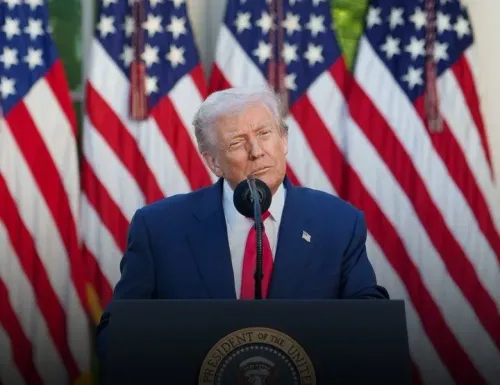
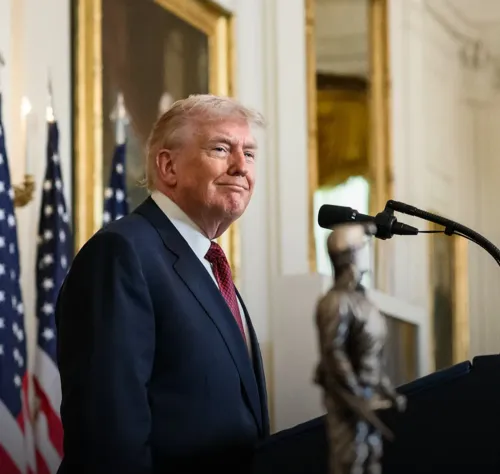
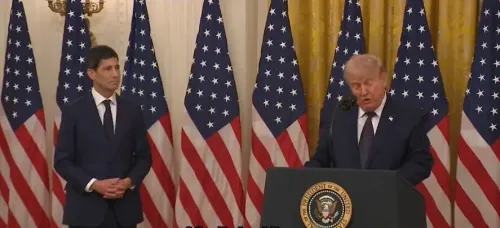
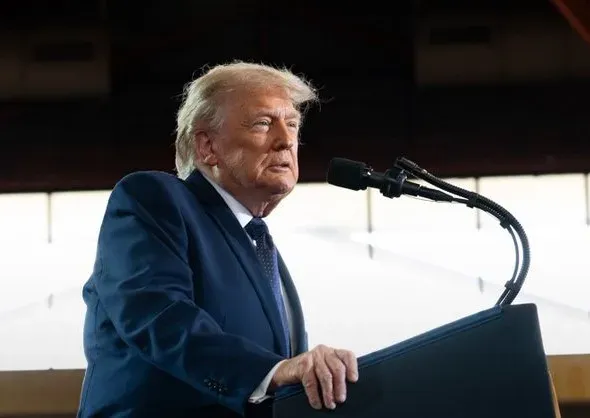
US President Donald Trump on 23 June declared that any sanctions relief extended to Iran would be conditional on Tehran purchasing American agricultural products, while reaffirming that Iran would never be permitted to acquire a nuclear weapon under any emerging agreement. The remarks, delivered at the White House following the signing of executive orders on quantum technology, represented Trump's most detailed public comments yet on the state of ongoing US-Iran negotiations.
The Farm Purchase Condition
Trump said that funds unfrozen under any sanctions relief package would be directed exclusively toward food purchases from American farmers. “Money that’s being unfrozen is going to be used to buy food,” he said. “And the food’s going to be bought exclusively through the United States from our farmers.” He specifically named corn and soybeans among the commodities Iran would be expected to procure.
When asked whether easing sanctions could allow Iran to rebuild its military capabilities, Trump maintained that the funds were intended strictly for humanitarian purposes. “They’re supposed to use money to buy food for their people, because right now their people are very hungry,” he said.
Nuclear Guarantee and Iran’s Weakened Position
Trump was unequivocal on the nuclear question. “We have an open strait and we have a country that will never have a nuclear weapon, will never, ever have a nuclear weapon,” he said. He also pushed back firmly against suggestions that Iran had gained leverage in the negotiations, arguing that recent military operations had significantly degraded Tehran’s capabilities. “Their navy is gone. Their air force is gone. Their leaders are all dead. Their whole country is a mess. Their economy is shot,” Trump said.
Switzerland Talks and Vance’s Role
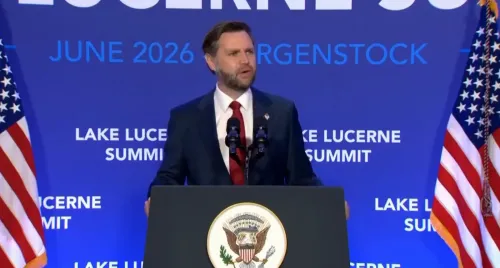
Vice President JD Vance and a US delegation were continuing negotiations with Iranian officials in Switzerland at the time of Trump’s remarks. Discussions have reportedly centred on the future of Iran’s nuclear programme, maritime security in the Strait of Hormuz, and regional deconfliction mechanisms. Trump praised Vance’s performance at the talks. “I watched his news conference from Switzerland. He’s a very smart guy. He did a great job,” the President said.
Strait of Hormuz and Compliance Warning
Trump claimed that energy shipments through the Strait of Hormuz had rebounded strongly following recent tensions. “We took in more oil yesterday than has ever gone through the strait. The strait is totally open,” he said. While declining to detail specific enforcement mechanisms, Trump issued a clear warning on compliance: “If Iran doesn’t live up to their agreement or if they’re not behaving, I will do what I have to do.”
What Comes Next
The talks in Switzerland are ongoing, with no final agreement announced. The farm-purchase condition adds a significant economic dimension to what has primarily been framed as a security negotiation. Notably, tying sanctions relief to commodity purchases is an unconventional diplomatic mechanism — one that serves dual purposes for the Trump administration by addressing both Iran’s humanitarian needs and domestic agricultural interests. How Tehran responds to this conditionality is expected to shape the next phase of negotiations.
Point of View
Who can simultaneously claim he is preventing Iranian cash from reaching its military while delivering a tangible benefit to American farm states. The harder question is enforceability: unfrozen funds are notoriously difficult to ringfence once in circulation, and past Iran sanctions frameworks have struggled with exactly this problem. Trump’s characterisation of Iran’s military as effectively destroyed also deserves scrutiny — it may reflect genuine battlefield assessment or serve as a negotiating-table signal to domestic critics who fear the deal legitimises Tehran. The Swiss talks are the real test; what Vance actually commits to on paper will matter far more than White House briefing-room confidence.
NationPress
21 Sept 2026
Frequently Asked Questions
What is Trump’s condition for granting Iran sanctions relief?
Trump has said that any funds unfrozen under sanctions relief must be used exclusively to purchase American agricultural products such as corn and soybeans. He framed the condition as a humanitarian measure to feed the Iranian people while ensuring the money does not reach Iran’s military.
Where are the US-Iran nuclear negotiations taking place?
Negotiations are ongoing in Switzerland, where Vice President JD Vance is leading a US delegation in talks with Iranian officials. Discussions cover Iran’s nuclear programme, maritime security in the Strait of Hormuz, and regional deconfliction mechanisms.
Has Trump guaranteed Iran will not get a nuclear weapon?
Yes. Trump stated categorically that Iran ‘will never, ever have a nuclear weapon’ under any agreement being negotiated. He also rejected the suggestion that Iran had gained leverage, arguing that recent military operations had severely degraded Tehran’s naval, air, and leadership capabilities.
What did Trump say about the Strait of Hormuz?
Trump claimed the Strait of Hormuz is ‘totally open’ and said oil volumes through the strait recently hit their highest level ever. He attributed the normalisation to US actions following recent tensions in the region.
What happens if Iran does not comply with the agreement?
Trump warned of unspecified consequences, saying: ‘If Iran doesn’t live up to their agreement or if they’re not behaving, I will do what I have to do.’ He did not detail specific enforcement mechanisms.