Trump declares Iran nuclear deal done, warns of 'ultimate consequences'
Synopsis
Trump declared the Iran nuclear deal 'done' in Evian on 16 June — and immediately warned of 'ultimate consequences' if Tehran develops or buys a nuclear weapon. The disclosure that the US struck Iran twice last week, and nearly a third time, makes this one of the most consequential — and least publicly documented — diplomatic episodes of his presidency.
Key Takeaways
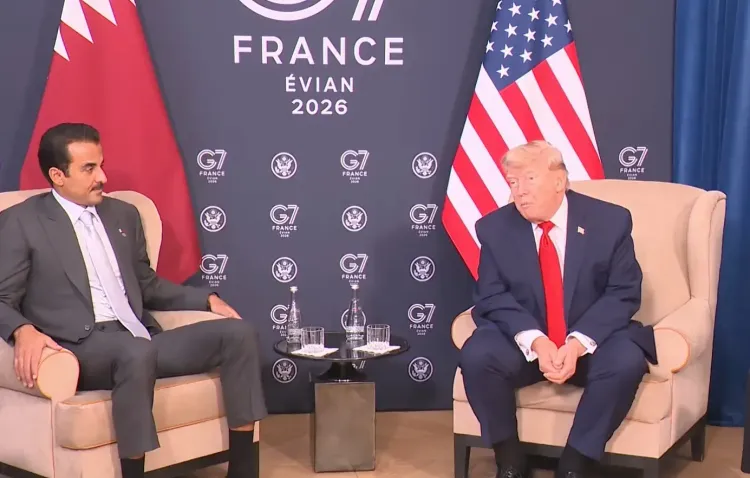
US President Donald Trump declared a deal with Iran finalised on 16 June at a meeting in Evian with Qatar's Emir Sheikh Tamim bin Hamad Al Thani .
Trump warned Iran of 'ultimate consequences' if it develops or purchases a nuclear weapon — a clause he said he personally insisted upon.
Trump confirmed the US carried out military strikes on Iran twice the previous week; a third strike was reportedly called off.
The deal moves to a second phase of negotiations, which Trump said he expected to be 'easier.' Trump dismissed reports of US financial assistance to Iran as 'ridiculous,' saying 'we are not investing any money in Iran.' Trump criticised Israeli PM Benjamin Netanyahu over a Lebanon attack that occurred near the time of the agreement's signing, calling on him to 'be more responsible.'
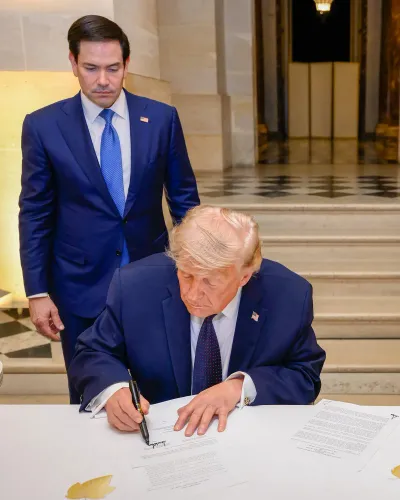
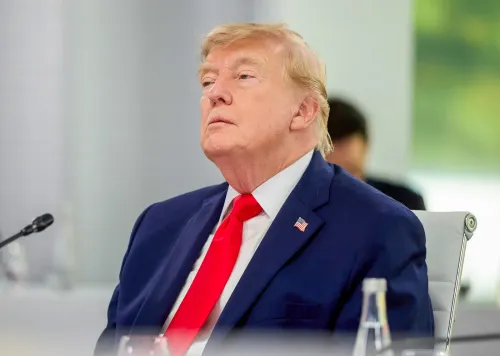
US President Donald Trump on Tuesday, 16 June declared that a deal with Iran had been finalised, warning that Tehran would face what he described as 'ultimate consequences' if it sought to develop or acquire a nuclear weapon. The announcement came during a bilateral meeting with Qatar's Emir, Sheikh Tamim bin Hamad Al Thani, in Evian, where Trump also credited Doha with helping broker the agreement.
What the Deal Covers
Trump confirmed the agreement moves into a second phase, which he said he expected to be 'actually easier' than the first. The central condition, he stressed, is an absolute prohibition on Iran acquiring a nuclear weapon — whether by developing it domestically or purchasing one from a third party.
'The one thing that is happening that is of note, frankly, the only thing that only matters to me is that Iran will never have a nuclear weapon,' Trump said. He added that he personally insisted the text explicitly bar Iran from buying a weapon, not just building one — a clause that reportedly required an additional two days of negotiation.
Trump also moved to quash reports that the agreement included financial assistance to Iran. 'We are not investing any money in Iran, by the way. That rumour that got out there yesterday, it was ridiculous,' he said.
The Nuclear Warning
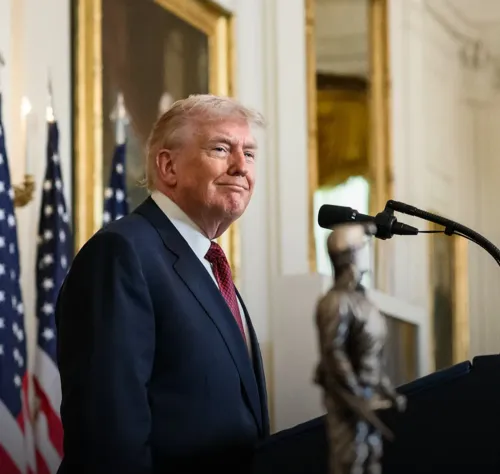
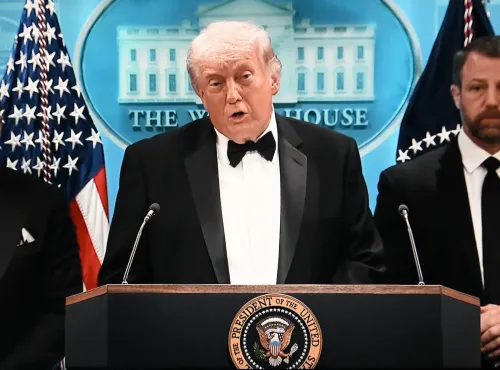
Trump's language on consequences was deliberately stark. 'They are not going to develop it, they are not going to buy it, they are not going to do anything with it. If they do, they will suffer unbelievable consequences. Not just a little bit, like, I won't even tell you the consequences, but they are the ultimate consequences,' he said. He added: 'If they do, all hell will rain down on them.'
The warning marks one of the most explicit nuclear deterrence statements from a sitting US president directed at Iran in recent years, and comes after Trump acknowledged the US had carried out military strikes on Iran the previous week — 'twice, actually' — before a third strike was averted.
Qatar's Role and Economic Ties
Sheikh Tamim welcomed the development and credited Trump for driving the process. 'I think, as you mentioned, Mr President, this is a very important deal. There's still a lot of work to be done, but I think with this momentum, if you continue like that, Mr President, I think you can achieve and do greatly in that in the region,' the Emir said.
Trump also highlighted the broader economic relationship with Doha, claiming Qatar's investments in the United States would exceed one trillion dollars. 'We set a record. There has never been anything like it,' he said.
Ukraine, Lebanon, and Regional Tensions
On the sidelines of the same engagement, Trump addressed multiple other flashpoints. He said he planned to meet Ukrainian President Volodymyr Zelensky later that day and reiterated his call for a ceasefire, noting he had spoken with Russian President Vladimir Putin on Sunday. 'Russia should make a deal. Russia has lost tremendous amounts of people and so has Ukraine,' he said, adding that he had 'settled 8 wars' and considered the Ukraine conflict the one he had expected to resolve most quickly.
Trump also voiced frustration over continued Israeli military operations in Lebanon, saying he was displeased that an attack occurred 'two hours before the signing of the agreement.' He said Syria could play a greater role in addressing Hezbollah if Israel continued operations that caused broader civilian harm. Referring to Israeli Prime Minister Benjamin Netanyahu by name, Trump said: 'We have a great relationship, I didn't like that he did an attack,' and called on Netanyahu to 'be more responsible with respect to Lebanon.'
What Comes Next
The second phase of Iran negotiations is expected to begin shortly, though no timeline or venue has been confirmed. The agreement's durability will depend on verification mechanisms and whether Tehran formally endorses the terms publicly — neither of which Trump detailed at the Evian meeting. Regional observers and arms control analysts are likely to scrutinise the precise language around the nuclear prohibition clause and what enforcement looks like in practice.
Point of View
Tehran has not publicly confirmed the terms, and the admission that the US struck Iran twice last week — facts that were not publicly disclosed at the time — suggests the diplomatic record is significantly incomplete. The clause barring Iran from purchasing a nuclear weapon, not just developing one, is genuinely novel in US-Iran frameworks, but its enforceability without a verification mechanism is unclear. Meanwhile, Trump's public rebuke of Netanyahu over Lebanon signals a rare fracture in the US-Israel axis at a moment of acute regional volatility — a development that mainstream coverage has underweighted relative to the Iran headline.
NationPress
24 Sept 2026
Frequently Asked Questions
What is the Iran deal that Trump announced on 16 June 2025?
Trump declared that a deal with Iran had been finalised, with the core condition being that Iran will never develop or purchase a nuclear weapon. The agreement is set to move into a second phase of negotiations, though no formal text has been publicly released and Iran has not yet publicly confirmed the terms.
What consequences did Trump warn Iran of?
Trump warned of what he called 'ultimate consequences' if Iran sought to develop or acquire a nuclear weapon, without specifying their nature. He said 'all hell will rain down on them' and described the consequences as 'unbelievable,' deliberately declining to elaborate further.
Did the US strike Iran before this deal was announced?
Trump acknowledged during the Evian meeting that the US had carried out military strikes on Iran 'twice' the previous week, and said a third strike was averted. These strikes had not been publicly confirmed by the US government prior to Trump's remarks.
What role did Qatar play in the Iran deal?
Qatar's Emir Sheikh Tamim bin Hamad Al Thani was credited by Trump with helping secure the agreement. The bilateral meeting in Evian between Trump and the Emir served as the backdrop for the announcement. Trump also said Qatar's investments in the US would exceed one trillion dollars.
Why did Trump criticise Israeli PM Netanyahu?
Trump expressed displeasure that Israel carried out an attack in Lebanon approximately two hours before the Iran agreement was signed. He said 'Bibi has to be more responsible with respect to Lebanon' and suggested Syria could take a greater role in addressing Hezbollah if Israeli operations continued to cause broader harm.