Trump: US was an hour from striking Iran, paused after Gulf allies' appeal
Synopsis
Trump's admission that US warships were loaded and a strike on Iran was 60 minutes away is the starkest public signal yet of how close the two countries came to direct military confrontation. A Gulf-brokered pause has bought days — not weeks — and the President has made clear the diplomatic window closes by early next week at the latest.
Key Takeaways
President Trump said the US was an hour away from launching military strikes on Iran on 20 May 2025 before Gulf allies intervened.
Regional leaders asked for a few more days , saying Iran was 'being reasonable' in talks; Trump set a deadline of roughly Friday to early next week .
Trump claimed 82 per cent of Iran's missiles had been eliminated, along with its Navy and Air Force.
Chinese President Xi Jinping reportedly assured Trump that Beijing was not supplying weapons to Iran.
Saudi Arabia, Qatar, UAE, Kuwait, and Bahrain are coordinating with Washington on Iran negotiations, alongside Israel .
Trump ruled out backing down on the nuclear red line, saying: 'I'm not going to let the world be blown up on my watch.'
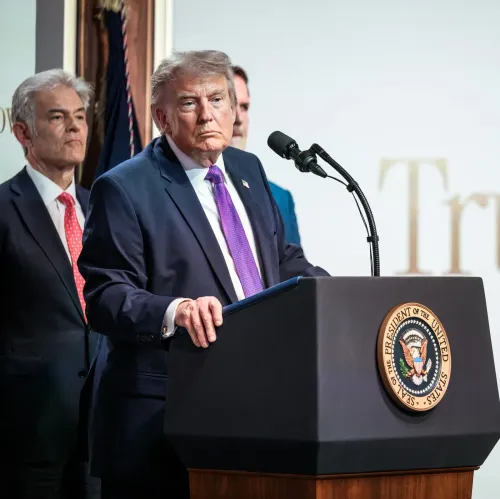
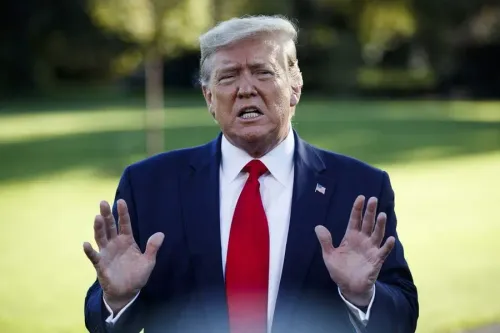
US President Donald Trump revealed on Tuesday, 20 May that the United States had come within an hour of launching military strikes against Iran before Gulf allies intervened and urged him to allow more time for diplomacy. The disclosure, made during a visit to a White House construction site in Washington, represents one of Trump's most direct public admissions yet that kinetic action against Tehran was actively on the table.
What Trump Said
'I was an hour away from making the decision to go today,' Trump told reporters. 'We were all set to go. The boats, the ships are all loaded, they're loaded to the brim, and we're all set to start.'
Trump said he subsequently received calls from regional leaders who indicated that Iran was 'being reasonable' in ongoing negotiations and requested additional time. 'They called up, they had heard I made the decision, they said, sir, could you give us a couple more days because we think they're being reasonable,' he said.
The Diplomatic Window
The President made clear that the pause was strictly time-limited. 'Well, I'm saying two or three days, maybe Friday, Saturday, Sunday something, maybe early next week. A limited period of time. Because we can't let them have a nuclear weapon,' Trump said.
He framed the diplomatic opening as a brief concession to allied pressure rather than a shift in policy. The administration's core position — that Iran must not be permitted to acquire a nuclear weapon — remained unchanged, according to Trump's remarks.
Iran's Degraded Military and Nuclear Threat Warning
Trump claimed that Iran's military capacity had been substantially weakened, asserting that an estimated 82 per cent of the country's missiles had been eliminated. 'Their Navy is completely gone; their Air Force is completely gone,' he said.
He also issued stark warnings about the consequences of a nuclear-armed Iran. 'If they had a nuclear weapon, they would start with Israel, they would blow it up and they would blow it up fast,' Trump said. 'They'd go after Saudi Arabia, they'd go after Kuwait, they'd go after UAE, they'd go after Qatar.' He described such a scenario as 'nuclear holocaust', adding: 'There's no question in my mind that they'd use it.'
Regional Coordination and Xi's Assurance
Trump said Saudi Arabia, Qatar, the UAE, Kuwait, and Bahrain were all coordinating with Washington on the Iran negotiations. 'We are negotiating together,' he said, adding that 'Israel has been a great partner.'
Notably, Trump said Chinese President Xi Jinping had personally assured him that Beijing was not supplying weapons to Tehran. 'President Xi has promised me that he's not sending any weapons to Iran. That's a beautiful promise. I take him at his word,' Trump said.
Political Pushback and Trump's Response
Trump dismissed domestic opposition to his Iran policy, labelling critics 'Dumbocrats' and accusing them of undermining active negotiations. When asked whether military action would carry political risk, he was unequivocal: 'Whether it's popular or not popular I have to do it, because I'm not going to let the world be blown up on my watch.'
The remarks came as Trump also described a new White House ballroom and security complex, funded by himself and private donors, which he said would include 'drone proof' capabilities and underground military facilities. With the diplomatic clock now ticking toward the weekend, the coming days will determine whether the Gulf-brokered pause translates into a durable agreement or a narrowing of options.
Point of View
Taken 'at his word' by Trump, is a significant diplomatic variable that mainstream coverage is underweighting — if that promise holds, it removes one Iranian resupply channel; if it does not, it hands Trump a fresh escalation trigger. The days-long window is thin, and the gap between 'being reasonable' in negotiations and meeting Washington's nuclear red line remains undefined.
NationPress
19 Sept 2026
Frequently Asked Questions
Why did the US hold back from striking Iran?
Gulf allies called President Trump after learning he had decided to strike, asking for a few more days because they believed Iran was 'being reasonable' in negotiations. Trump agreed to a brief pause but set a deadline of roughly Friday to early next week.
How close was the US to a military strike on Iran?
Trump said the US was 'an hour away' from launching the strike on 20 May 2025, with ships and boats 'loaded to the brim' and ready to begin. The pause came only after direct appeals from regional partners.
What is Trump's red line on Iran?
Trump has stated that Iran must not be permitted to acquire a nuclear weapon under any circumstances. He warned that a nuclear-armed Iran would threaten Israel, Saudi Arabia, the UAE, Kuwait, and Qatar, calling the scenario a potential 'nuclear holocaust.'
What did Xi Jinping promise Trump about Iran?
According to Trump, Chinese President Xi Jinping personally assured him that Beijing was not supplying weapons to Iran. Trump said he was taking Xi 'at his word,' though no independent verification was provided.
Which countries are involved in the Iran negotiations?
Trump said Saudi Arabia, Qatar, the UAE, Kuwait, and Bahrain are coordinating with Washington on the negotiations, with Israel described as 'a great partner.' The diplomatic effort is multilateral, though the US holds the primary military leverage.