Iran sought US deal during Trump strikes, third night of attacks
Synopsis
Even as US bombs fell for a third straight night, Iranian representatives were quietly reaching out for a deal — just hours before Trump went on Fox News. Trump revealed a near-agreement collapsed at the last moment two days earlier, and he is now in no mood to negotiate, betting that sustained military pressure will force Tehran back to the table on American terms.
Key Takeaways
Iranian representatives contacted the United States approximately one hour before President Trump’s Fox News interview on 15 July , indicating Tehran wanted a deal.
Trump revealed a near-finalised agreement collapsed two days before the interview when Iran withdrew at the last moment.
US military strikes continued for a third consecutive night even as diplomatic back-channels remained active.
Trump said he was no longer willing to negotiate immediately, insisting on military pressure as the only effective leverage.
Preventing Iran from acquiring a nuclear weapon remains Trump’s stated top priority in the confrontation.
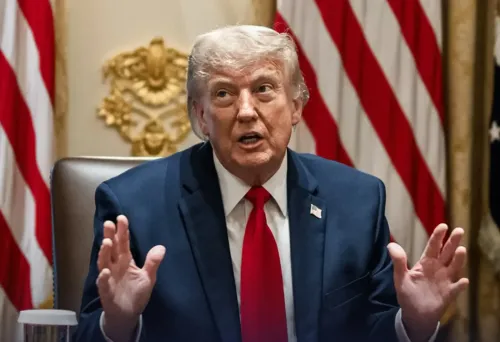
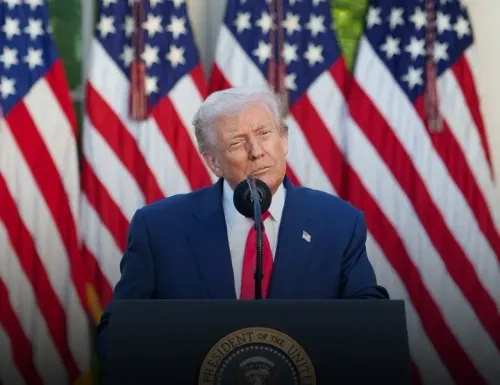
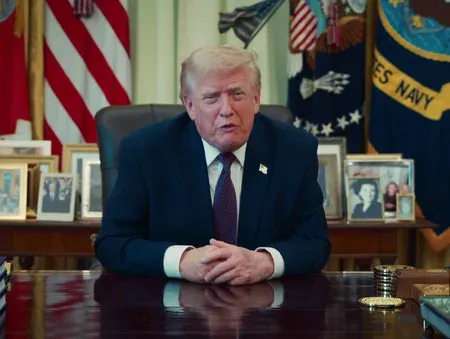
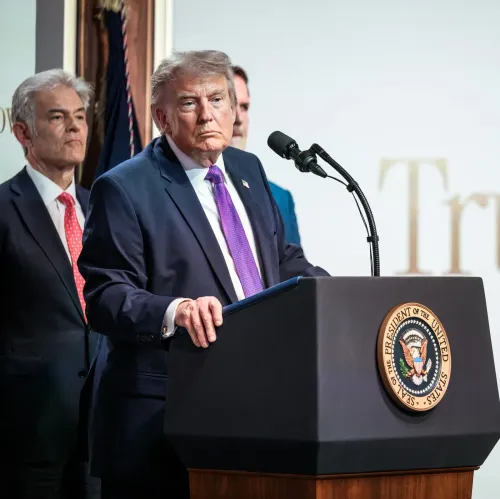
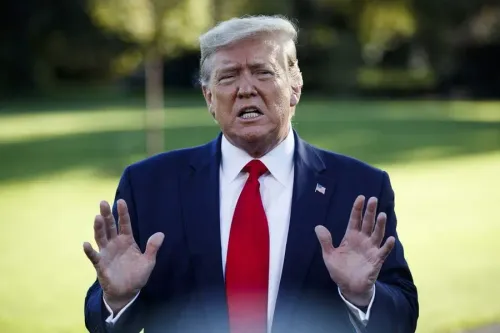
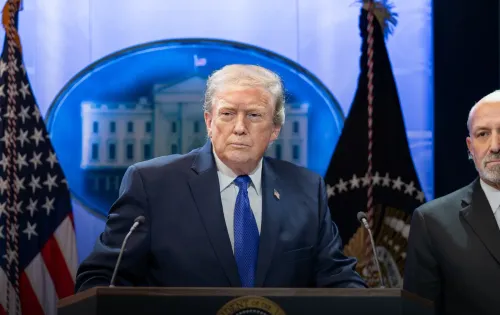
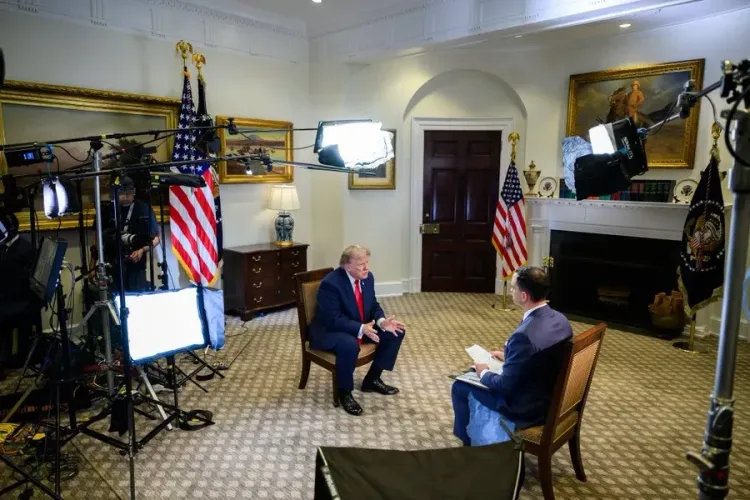
President Donald Trump revealed on 15 July that Iranian representatives contacted the United States approximately one hour before his Fox News interview, signalling that Tehran was seeking a negotiated agreement — even as American military strikes entered their third consecutive night. The disclosure, made during a White House interview, adds a dramatic diplomatic dimension to an ongoing military confrontation.
The Iranian Outreach
Trump confirmed that it was not he personally, but his representatives, who received the latest Iranian communication. “I have spoken to them, but my representatives over the course of, well, actually, an hour ago,” he said. When asked what message Tehran had conveyed, Trump was blunt: “They wanna make a deal.”
The contact came even as US strikes continued, underscoring the parallel-track nature of the crisis — military pressure on one front, back-channel diplomacy on another. This pattern, analysts note, mirrors earlier phases of the Iran nuclear standoff under previous administrations.
A Deal That Collapsed at the Last Moment
Trump revealed that the two sides had been on the verge of an agreement just days before the latest escalation. “Literally two days ago, we had a deal and then they broke it at the last moment,” he said. “They broke it.”
He accused Tehran of a pattern of abandoning commitments. “Every time they make a deal, they break it,” Trump said. This is not the first time the US has accused Iran of withdrawing from a near-finalised arrangement — similar breakdowns were reported during earlier rounds of nuclear talks.
Trump Rules Out Immediate Negotiations
Despite the Iranian outreach, Trump said he was no longer willing to negotiate immediately. “Well, now we, I don’t wanna negotiate now,” he said, adding, “I said, ‘Let’s not negotiate.’ Three days ago, we had a deal.”
The shift in posture suggests Washington is using sustained military pressure as a coercive tool to extract better terms, rather than returning to the table on Tehran’s timeline.
Nuclear Weapon the Red Line
Trump was unambiguous about his core objective: preventing Iran from acquiring a nuclear weapon. “There will be no nuclear weapon,” he declared, describing it as “by far, the most important” of his stated goals in the confrontation.
He also articulated his negotiating philosophy: “The only way you can negotiate with these people is through strength. And the only strength is military strength.” At the same time, Trump said the US was “being very careful with the civilian population.”
What Happens Next
Trump said he believed Iran ultimately had “no choice” but to return to the negotiating table as military pressure mounted. “I don’t know if they will or not,” he said when asked whether Iran would accept an agreement, but he added, “They should.”
Whether the latest Iranian contact translates into a formal resumption of talks remains uncertain. The coming days will test whether back-channel communications can survive a third — and potentially fourth — night of strikes.
Point of View
Or a negotiating tactic by either side? Trump’s public declaration that he no longer wants to negotiate now is itself a negotiating move — pressure designed to force Tehran back on Washington’s terms rather than Iran’s. The nuclear red line is not new, but the willingness to back it with active strikes marks a qualitative escalation that previous administrations avoided. Whether military pressure produces a durable deal or a deeper spiral depends on whether Iranian leadership calculates survival differently under this president than under his predecessors.
NationPress
13 Oct 2026
Frequently Asked Questions
What did Iran communicate to the US on 15 July?
Iranian representatives contacted the United States approximately one hour before President Trump’s Fox News interview on 15 July, indicating that Tehran wanted to reach a negotiated agreement. Trump confirmed the outreach but said he was not personally involved in the communication.
Why did the US-Iran deal collapse?
Trump said a deal had been reached approximately two days before the interview but that Iran withdrew from it at the last moment. He accused Tehran of a pattern of making and then breaking agreements, saying, ‘Every time they make a deal, they break it.’
Is Trump willing to negotiate with Iran now?
Trump said he was no longer interested in immediate negotiations following the collapse of the near-deal. He indicated he wanted sustained military pressure to continue before returning to the table, though he left open the possibility of future talks.
What is Trump’s stated goal in the strikes against Iran?
Trump identified preventing Iran from acquiring a nuclear weapon as his most important objective, stating unequivocally, ‘There will be no nuclear weapon.’ He also said the US was being careful to avoid civilian casualties during the strikes.
How many nights have US strikes on Iran continued?
As of Trump’s Fox News interview on 15 July, US military strikes had continued for three consecutive nights. Trump suggested the pressure would be maintained until Iran returned to negotiations on terms acceptable to Washington.