Trump warns Iran will 'pay the price' after US helicopter downed
Synopsis
Trump didn’t just threaten Iran — he confirmed strikes are already under way and left the door open to hitting power plants and bridges. With Pakistan playing backroom broker and India’s energy security hanging in the balance, this is no longer a diplomatic standoff. It is an active military escalation with global consequences.
Key Takeaways
President Trump on 10 June confirmed retaliatory US strikes against Iran and threatened further attacks after a US military helicopter was reportedly downed.
Trump said two US personnel survived the helicopter incident and praised the rescue operation.
Iran initially denied responsibility before acknowledging the incident, according to Trump.
Trump described nuclear deal talks as stalled, saying Tehran was ‘playing us for suckers.’ Pakistan’s field marshal and prime minister were cited by Trump as intermediaries urging Iran toward a deal.
Trump declined to rule out strikes on Iranian power plants and bridges, saying ‘I can do that.’
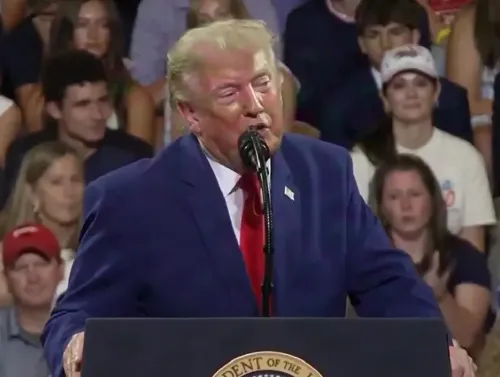
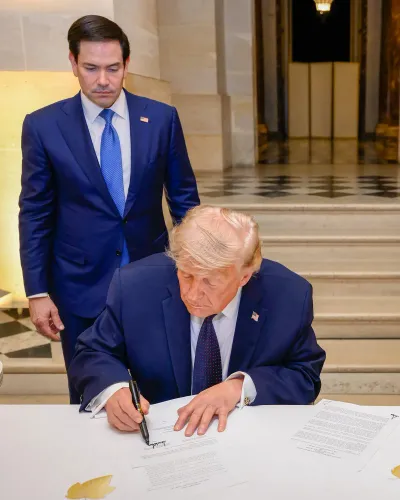
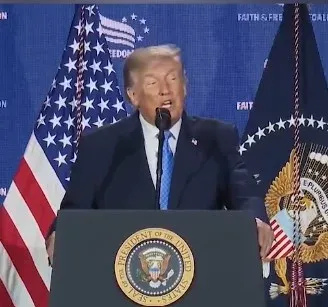
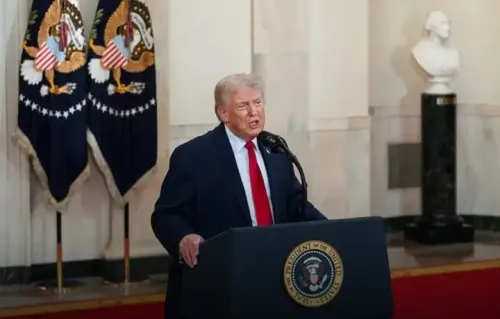
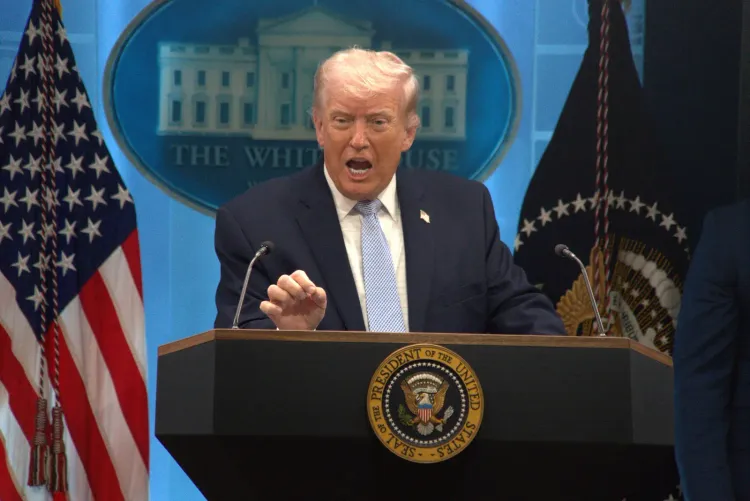
President Donald Trump on Wednesday, 10 June threatened further US military strikes against Iran, warning Tehran would “have to pay the price” following what he described as the downing of a US military helicopter by Iranian forces. Speaking at the White House after signing the Secure America Act, Trump confirmed retaliatory strikes had already been launched and signalled more were coming.
Trump’s Warning and Military Posture
“Well, we’re going to be attacking them and attacking them very hard,” Trump said when asked about an earlier social media post in which he had warned Iran of consequences. Asked whether this meant a resumption of bombing operations, Trump replied: “Yeah, well, we are — based on the helicopter, I guess we have the right to do that.”
Trump said two US personnel survived the incident and praised what he described as a dramatic rescue. “The two men, fortunately, are OK. But an amazing rescue,” he said. He added that Iran had initially denied responsibility before later acknowledging it: “At first, they said they didn’t do it, then they admitted they did it.”
Nuclear Deal Talks and Frustration with Tehran
Trump reiterated that Iran must never be permitted to acquire a nuclear weapon, describing ongoing negotiations as stalled. “I’ve been working with Iran for a number of months, and they should sign the deal; it’s a good deal,” he said. “It doesn’t give them the right to have a nuclear weapon; in fact, it totally prohibits them from ever having a nuclear weapon.”
Expressing frustration over the pace of diplomacy, Trump said: “We were really close to a deal, but they keep tapping us along. They keep playing us for suckers.” He also sharply criticised the 2015 Joint Comprehensive Plan of Action (JCPoA) negotiated under the Obama administration, calling it “one of the worst — one of the dumbest documents I’ve ever seen.”
Pakistan’s Role and the India Connection
In remarks likely to draw attention across South Asia, Trump referenced India and Pakistan while discussing diplomatic efforts to bring Iran to the table. “I gave them a break at the request of Pakistan; the field marshal and the prime minister of Pakistan are great,” he said. He added that Pakistani leaders were continuing to engage with Tehran: “They’re close to Iran, and they worked — and they still are working on trying them to do what’s right.”
The mention of India in this context is notable. Developments in the Gulf are closely watched in New Delhi because of the region’s centrality to India’s energy supplies, trade routes, and the large Indian diaspora living and working across West Asia.
Threat of Strikes on Infrastructure
Trump left open the possibility of targeting Iranian civilian infrastructure, including power plants and bridges. Asked directly about such strikes, he replied: “I’m not going to say that to you, but I can do that.” He closed with a stark declaration: “Iran very simply cannot have a nuclear weapon, and they won’t.”
Any further escalation risks rippling through global energy markets and could affect regional stability at a time when diplomatic channels between Washington and Tehran remain fragile.
Point of View
Suggesting back-channel pressure is ongoing even as bombs fall. For India, the stakes are quietly enormous: any sustained disruption to Gulf stability threatens energy import costs and the remittances of millions of Indians in West Asia. The mainstream coverage is fixating on Trump’s rhetoric; the more consequential story is whether Pakistan’s mediation role gives it strategic leverage Washington will later cash in.
NationPress
26 Oct 2026
Frequently Asked Questions
Why did Trump threaten Iran on 10 June 2025?
Trump threatened further US military action against Iran after what he described as the downing of a US military helicopter by Iranian forces. He confirmed retaliatory strikes had already been launched and warned Tehran would ‘have to pay the price.’
What happened to the US military personnel in the helicopter incident?
According to Trump, two US personnel survived the helicopter downing. He praised what he called a dramatic rescue operation, saying ‘The two men, fortunately, are OK. But an amazing rescue.’
Where do US-Iran nuclear deal negotiations stand?
Trump said talks were close to a deal but stalled because Iran was delaying a final agreement. He expressed frustration, saying Tehran was ‘playing us for suckers,’ and reiterated that any deal would permanently prohibit Iran from acquiring a nuclear weapon.
What role is Pakistan playing in the US-Iran standoff?
Trump credited Pakistan’s field marshal and prime minister with encouraging Iran to accept a deal, saying he had granted Iran a concession ‘at the request of Pakistan.’ He added that Pakistani leaders are still actively working to bring Tehran to the table.
How does the US-Iran escalation affect India?
India closely monitors Gulf developments because the region is critical to its energy imports, trade routes, and the welfare of a large Indian diaspora in West Asia. A sustained military escalation involving Iran could disrupt global energy markets and regional stability, with direct consequences for India’s economy.