Trump doubts Iran will honour deal after US strikes 'hit back 20 to 1'
Synopsis
Trump says the US hit Iran '20 to 1' in retaliatory strikes on commercial shipping attacks — then admitted he doesn't know if Iran will honour any deal, even as Tehran reportedly called seeking negotiations. With denuclearisation as Washington's non-negotiable demand, the confrontation is simultaneously military, diplomatic, and deeply unpredictable.
Key Takeaways
US President Donald Trump confirmed fresh American retaliatory strikes against Iran on 9 July , saying the US hit back “20 to 1.” Iran struck three commercial vessels , not two, according to Trump, prompting the US response.
Trump said Iranian officials contacted Washington seeking a deal but expressed doubt: “I don’t know that they’re going to honour the deal.” The US stated its core objective is the denuclearisation of Iran — preventing Tehran from acquiring nuclear weapons.
Trump described the NATO summit in Turkey as successful, with allies now eager to assist on Iran.
Syrian President Ahmed al-Sharaa reportedly made commitments on Hezbollah in Lebanon, though details were not disclosed.
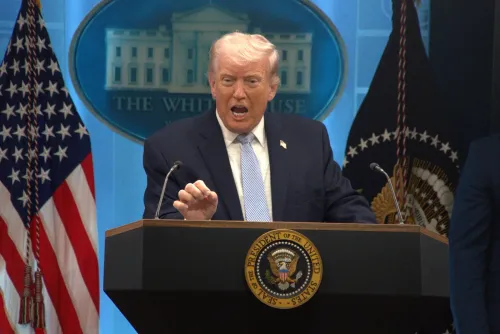
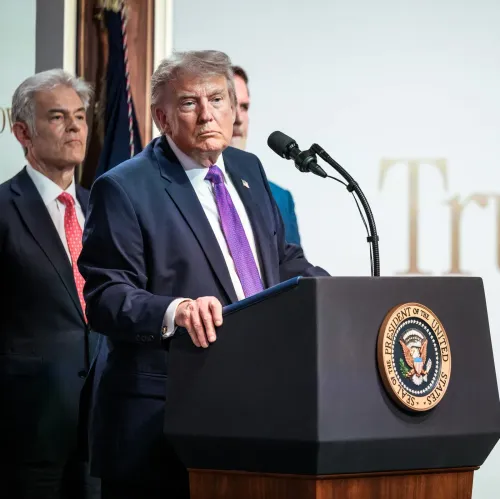
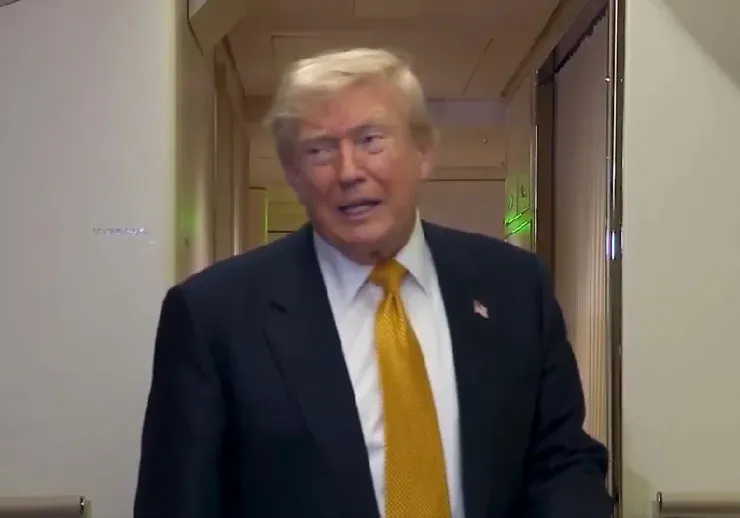
US President Donald Trump on Wednesday, 9 July cast doubt on whether Iran would honour any negotiated agreement, even as he acknowledged Tehran had reached out seeking talks following fresh American retaliatory strikes on Iranian targets. Speaking aboard Air Force One while returning to Washington from the NATO summit in Turkey, Trump said the United States would continue striking back forcefully while keeping its core objective fixed: preventing Iran from acquiring nuclear weapons.
Key Developments
Trump confirmed that US forces had carried out strikes overnight and again during the day, framing them as retaliation for Iranian attacks on commercial shipping vessels. “They just — we just hit it very hard, and I say we hit them 20 to 1; every time they hit us, we’re going to hit them 20,” Trump told reporters. He added that Iran had struck three commercial boats, not two as initially reported, prompting the American response.
Asked whether the exchanges signalled a return to full-scale military conflict, Trump said, “I don’t know, I don’t know,” while maintaining that Washington retained “many ways” to prevail. He claimed the US had “already won militarily” and that Iran had “very little left.”
Iran Seeks a Deal — But Trump Is Sceptical
Trump said Iranian officials had contacted Washington expressing a desire to negotiate. However, he stopped short of expressing confidence in any such process. “They want to make a deal so badly — I just don’t know if they’re worthy of making a deal,” he said. “I don’t know that they’re going to honour the deal; that’s the problem.”
When pressed on why Iran would continue attacking commercial vessels while simultaneously seeking a deal, Trump said, “Because it’s not crazy, to be honest with you — it’s so crazy they’re a little bit out of control, but they want to make a deal badly.” The remarks underscore the contradictory signals emanating from Tehran, which the administration has been navigating through a combination of military, diplomatic, and economic pressure.
Denuclearisation at the Centre of US Demands
Trump was explicit that the central American demand remains the denuclearisation of Iran. “This is all about taking nuclear weapons — not allowing Iran to have nuclear weapons. And everybody should like that,” he said. The administration has consistently framed its military posture not as open-ended conflict but as coercive pressure to force a change in Iranian behaviour.
This comes amid a broader pattern of escalation: the Trump administration has combined targeted strikes with sweeping economic sanctions and diplomatic isolation in an effort to bring Tehran back to the negotiating table on terms Washington defines. Critics, however, argue that the lack of a clear diplomatic off-ramp risks miscalculation.
Air Force One Security and NATO Summit
Trump also addressed reports that his aircraft was switched at the last minute before departing Turkey, dismissing suggestions it was linked to a specific security threat. He said the change was made so base personnel could view the plane. Asked about credible Iranian threats against Air Force One, Trump said, “All the time — I’m number one on their list.”
Trump described the NATO summit as productive, saying the alliance had demonstrated unity after earlier disagreements over defence spending. He said future US troop decisions in Europe would partly hinge on developments involving Greenland and Iran. He also noted that allies who had previously held back were now eager to assist on Iran, though he said Washington did not require their help.
Syria, Hezbollah, and Ukraine
On the sidelines of the summit, Trump praised Syrian President Ahmed al-Sharaa, saying he had “done a great job” and “unified Syria.” Asked whether al-Sharaa had made commitments regarding Hezbollah in Lebanon, Trump confirmed he had but declined to elaborate. He also described Ukrainian President Volodymyr Zelenskyy as “great” following their bilateral meeting.
With military exchanges continuing and diplomatic contacts remaining fragile, the trajectory of the US-Iran confrontation remains uncertain — and the next move, whether a ceasefire overture or a further escalation, could come within days.
Point of View
With no clear framework for what a credible deal would look like or how compliance would be verified. The denuclearisation demand is maximalist; Iran has never accepted it as a starting point. What’s missing from the public posture is any indication of what the US would offer in return — and without that, the ‘deal’ Trump is both seeking and doubting may never materialise beyond a talking point.
NationPress
8 Oct 2026
Frequently Asked Questions
Why did the US strike Iran on 9 July?
The US carried out retaliatory strikes after Iran attacked three commercial vessels, according to President Trump. Trump said the US responded at a ratio of ‘20 to 1,’ with strikes conducted both overnight and during the day of 9 July.
Is Iran seeking a deal with the United States?
Trump said Iranian officials contacted Washington expressing a desire to negotiate. However, he cast doubt on Tehran’s reliability, saying, ‘I don’t know that they’re going to honour the deal — that’s the problem.’
What is the US demand from Iran?
The Trump administration has stated its central demand is the denuclearisation of Iran — preventing Tehran from acquiring nuclear weapons. Trump framed the entire military and diplomatic confrontation around this objective.
What happened at the NATO summit in Turkey?
Trump described the NATO summit as successful, saying the alliance demonstrated unity after earlier disputes over defence spending. He noted that allies who had previously hesitated were now willing to assist on Iran, and said future US troop decisions in Europe would partly depend on developments with Iran and Greenland.
What did Trump say about Syria and Hezbollah at the summit?
Trump praised Syrian President Ahmed al-Sharaa, saying he had ‘done a great job’ and ‘unified Syria.’ He confirmed al-Sharaa made commitments regarding Hezbollah in Lebanon but declined to provide specifics.