Trump delays Iran strike after Gulf leaders urge diplomacy
Synopsis
Trump revealed a 'very major attack' on Iran was set for Tuesday — then called it off after Saudi Arabia, Qatar and the UAE personally intervened. With a two-to-three-day diplomatic window now open and US forces still on standby for a 'full-scale assault', the next 72 hours could determine whether the Iran nuclear standoff ends at the negotiating table or on the battlefield.
Key Takeaways
Donald Trump confirmed on 19 May that a 'very major attack' on Iran had been planned for as early as Tuesday before being postponed.
Saudi Arabia , Qatar , and the UAE personally appealed to Trump for a delay of two to three days to allow diplomacy to proceed.
Trump said Gulf leaders believe negotiations with Tehran are 'getting very close to making a deal'.
Defence Secretary Pete Hegseth and military commanders were ordered to remain ready for a 'full-scale assault' if talks collapse, according to reports.
Trump claimed recent operations had 'totally destroyed' Iran's military — a claim not independently verified.
Israel and other regional allies have been informed of the delay, Trump said.
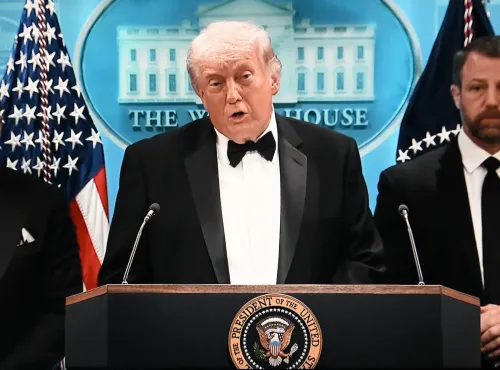
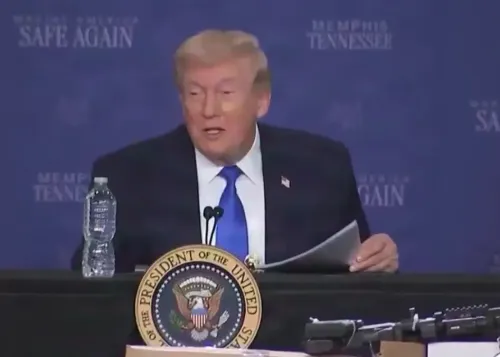
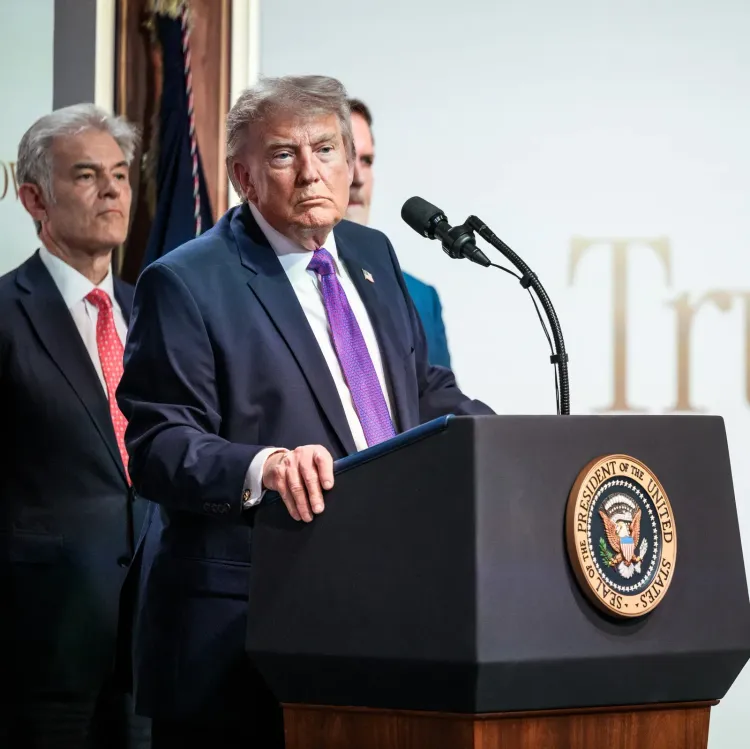
US President Donald Trump revealed on 19 May that he had postponed a planned military strike on Iran following urgent appeals from Gulf leaders, signalling a potential diplomatic opening in the high-stakes standoff over Tehran's nuclear programme. The disclosure came during a White House healthcare event, where Trump told reporters that a 'very major attack' had been imminent as early as Tuesday.
What Trump Said
Trump confirmed that leaders from Saudi Arabia, Qatar, and the United Arab Emirates personally asked him to hold off military action for two to three days, citing progress in back-channel negotiations with Tehran. 'I've put it off for a little while, hopefully, maybe forever,' Trump said.
The President framed the pause as conditional on diplomatic results. 'If we can do that where there's no nuclear weapon going into the hands of Iran, I think, and if they're satisfied, we will be probably satisfied also,' he said. He added that Israel and other regional allies had already been informed of the delay.
The Military Option Stays on the Table
Trump was unambiguous that Washington had not abandoned the military option. 'We cannot let Iran have a nuclear weapon,' he said. 'If we can do that without bombing the hell out of them I'd be very happy.' According to reports citing Axios, Trump ordered Defence Secretary Pete Hegseth and military commanders to remain on standby for a 'full-scale assault' should talks collapse.
Trump also claimed that recent operations had significantly degraded Iran's armed forces, saying, 'We've totally destroyed their military. Their leaders are gone at the first level.' These claims have not been independently verified.
Why Gulf Nations Intervened
Gulf states — many of which host US military installations — have grown increasingly alarmed that a direct Washington-Tehran confrontation could destabilise the region and disrupt global energy markets. Their diplomatic intervention reflects a calculated effort to buy time for negotiations while avoiding the economic and security fallout of open conflict.
This comes amid months of escalating tensions over Iran's nuclear activities and its regional military posture. The urgency of the Gulf appeal suggests that, behind closed doors, negotiations may be at a more advanced stage than publicly acknowledged.
What Happens Next
The window Trump has granted is narrow — reportedly just two to three days — leaving little room for error at the negotiating table. If talks fail to produce a verifiable commitment from Tehran on nuclear limits, the military option, which Trump described as a 'full-scale assault', could be reinstated rapidly. Analysts note that the involvement of Saudi Arabia, Qatar, and the UAE as interlocutors adds diplomatic weight but also raises questions about what concessions, if any, are being discussed.
Point of View
And it suggests the region's stakeholders are far more alarmed about escalation than their public statements convey. Trump's framing — 'hopefully, maybe forever' — is characteristically non-committal, and the two-to-three-day window is vanishingly short for nuclear diplomacy. The unverified claim that Iran's military has been 'totally destroyed' deserves scrutiny: if true, it changes the strategic calculus significantly; if overstated, it risks miscalculation on both sides. The real question is whether this pause is a genuine diplomatic opening or a tactical delay before an action already decided.
NationPress
22 Sept 2026
Frequently Asked Questions
Why did Trump postpone the Iran military strike?
Trump postponed the strike after leaders from Saudi Arabia, Qatar, and the UAE personally asked him to allow two to three more days for diplomatic negotiations. He said the Gulf leaders believed talks with Tehran were 'getting very close to making a deal.'
Was the US really prepared to strike Iran?
According to Trump's own statement, the US had been prepared to launch a 'very major attack' on Iran as early as Tuesday, 20 May. Reports also indicate that Defence Secretary Pete Hegseth and military commanders were placed on standby for a 'full-scale assault' if diplomacy fails.
What is the core demand the US is making of Iran?
The central US condition is that Iran must not acquire a nuclear weapon. Trump stated, 'We cannot let Iran have a nuclear weapon,' and indicated the US would be satisfied if a verifiable deal preventing that outcome could be reached.
How does the Gulf intervention affect the negotiations?
The direct appeals from Saudi Arabia, Qatar, and the UAE add significant diplomatic weight to the process and suggest the Gulf states are willing to act as interlocutors. However, analysts note that the two-to-three-day window is extremely narrow for complex nuclear diplomacy.
What happens if the diplomatic talks fail?
Trump has made clear the military option remains active. According to reports, US forces have been ordered to stay ready for a 'full-scale assault' on Iran should negotiations collapse within the brief window granted.