Trump cancels Iran strikes after talks reach top Iranian leadership
Synopsis
Hours after warning Iran of strikes 'VERY HARD TONIGHT,' Trump reversed course — citing talks approved at the highest levels of Iranian leadership across a 12-nation coalition. The naval blockade stays, a third tanker was disabled by Hellfire missiles in the Gulf of Oman the same day, and a signing venue is reportedly imminent. This is the sharpest single-day diplomatic whipsaw of the Iran crisis so far.
Key Takeaways
President Donald Trump cancelled planned US military strikes against Iran on 11 June , citing diplomatic progress at the highest levels of Iranian leadership.
Trump said discussions were approved by a coalition including Israel , Saudi Arabia , UAE , Qatar , Turkey , Pakistan , Bahrain , Kuwait , Jordan , and Egypt .
The US naval blockade against Iran remains 'in full force and effect' pending finalisation of a deal.
CENTCOM disabled a third tanker, the M/T Jalveer , in the Gulf of Oman using two Hellfire missiles — the third such operation this week.
No details of the proposed agreement have been disclosed; the time and place of a potential signing are yet to be announced.
US President Donald Trump announced on Thursday, 11 June that he had called off planned American military strikes against Iran after diplomatic discussions with Tehran were elevated to the highest levels of Iranian leadership — raising the prospect of a formal agreement even as a US naval blockade remains firmly in place.
What Trump Said
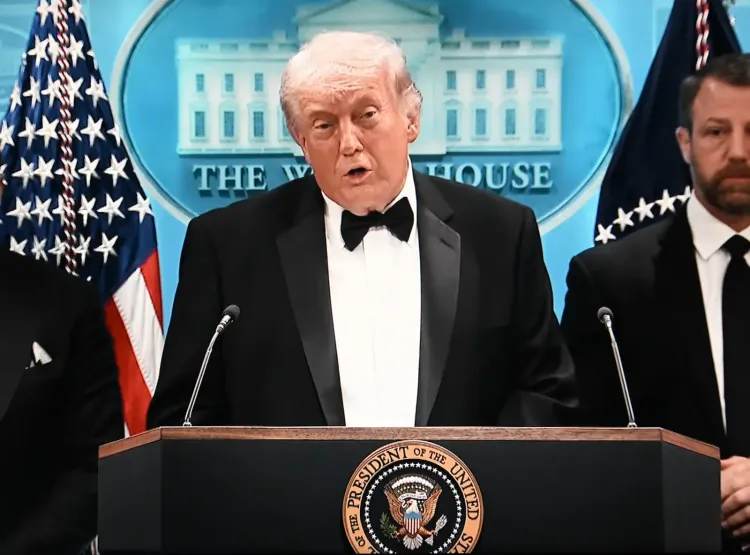
In a post on Truth Social, Trump wrote: 'Based on the fact that discussions with the Islamic Republic of Iran have been brought to the highest level of Iranian leadership and approved, I have, as President of the United States of America, cancelled the scheduled strikes and bombings against Iran this evening.'
The announcement marked a dramatic reversal from Trump's earlier warning that the United States would hit Iran 'VERY HARD TONIGHT.' He indicated that a broad coalition of nations — including Israel, Saudi Arabia, the UAE, Qatar, Turkey, Pakistan, Bahrain, Kuwait, Jordan, Egypt, and others — had approved the terms of the discussions 'in both concept and great detail.'
Trump did not disclose the specific details of the proposed agreement or the precise issues under negotiation.
Naval Blockade Stays in Place
Despite the diplomatic opening, Trump made clear that military pressure on Tehran would continue. 'The Naval Blockade will remain in full force and effect until this Transaction is finalised — Time and place of the signing to be announced shortly,' he said.
The statement signals that Washington views the blockade as leverage in ongoing negotiations rather than a measure to be lifted ahead of any deal.
US Forces Disable Third Tanker This Week
The cancellation came hours after US Central Command (CENTCOM) announced that American forces had disabled a third commercial tanker in a single week for allegedly breaching the Iran blockade. The Guinea-Bissau-flagged vessel M/T Jalveer was disabled in the Gulf of Oman late Wednesday after reportedly attempting to transport Iranian oil.
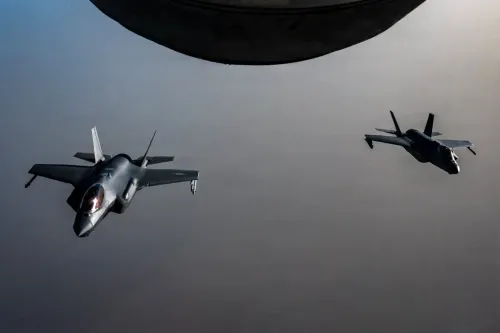
According to CENTCOM, a US aircraft fired two Hellfire missiles into the vessel's engine room after the crew repeatedly failed to comply with directions from US forces. The operation followed similar actions earlier in the week against the Palau-flagged vessels M/T Marivex and M/T Settebello — one of which allegedly attempted to sail to an Iranian port while the other sought to transport Iranian oil.
Strait of Hormuz Traffic
The US military has moved to reassure commercial shipping companies that traffic through the Strait of Hormuz — a critical global oil chokepoint — remains open despite the escalating confrontation with Iran. Analysts note that any sustained disruption to the strait could send crude prices sharply higher and ripple through global energy markets, including India, which depends heavily on Gulf oil imports.
What Happens Next
Trump indicated that the time and location of a potential signing would be announced shortly, suggesting negotiations are at an advanced stage. However, no independent confirmation from Iranian officials was immediately available, and the absence of disclosed terms leaves the durability of any agreement uncertain. The situation remains fluid, with the naval blockade and ongoing tanker operations keeping military pressure at the forefront even as diplomacy advances.
Point of View
With the threat kept alive through ongoing military action. The naval blockade and Hellfire strikes on tankers are not being stood down — they are being reframed as negotiating instruments. What is missing is any independent Iranian confirmation of the terms or timeline, which means the 'highest levels' claim rests entirely on a single Truth Social post. The 12-nation coalition list is notably broad and unverified; if any of those parties dispute their inclusion, the credibility of the framework unravels quickly. India, as a major Gulf oil importer with the Strait of Hormuz at stake, has more skin in this outcome than most — and no seat at the table Trump described.
NationPress
14 Sept 2026
Frequently Asked Questions
Why did Trump cancel the Iran strikes on 11 June?
Trump said he cancelled the strikes because diplomatic discussions with Iran had been elevated to the highest levels of Iranian leadership and approved by all parties involved. He announced the decision in a post on Truth Social, hours after warning that the US would strike Iran 'VERY HARD TONIGHT.'
Is the US naval blockade against Iran still in place?
Yes. Trump explicitly stated the naval blockade will remain 'in full force and effect' until a final agreement is signed. The blockade is being maintained as leverage while negotiations continue.
What happened to the tanker M/T Jalveer?
The Guinea-Bissau-flagged M/T Jalveer was disabled by US forces in the Gulf of Oman late Wednesday after allegedly attempting to transport Iranian oil. A US aircraft fired two Hellfire missiles into the vessel's engine room after the crew failed to comply with US military directions. It was the third such tanker operation in a single week.
Which countries are part of the reported Iran deal framework?
According to Trump's Truth Social post, the discussions were approved by the United States, Israel, Saudi Arabia, UAE, Qatar, Turkey, Pakistan, Bahrain, Kuwait, Jordan, Egypt, and others. No independent confirmation from these governments had been issued at the time of the announcement.
What are the next steps in the US-Iran negotiations?
Trump indicated that the time and place of a formal signing would be announced shortly, suggesting talks are at an advanced stage. However, no specific terms of the proposed agreement have been made public, and no Iranian official statement confirming the framework had been released.